Water meters and valves are essential components in water supply, distribution, and industrial piping systems. Their reliability depends on accurate manufacturing, suitable materials, proper sealing, and consistent functional performance. Even minor defects can lead to leakage, inaccurate measurement, installation difficulties, or premature failure.
For importers sourcing these products from China, independent inspection helps identify manufacturing defects and verify conformity with approved specifications before shipment. However, water meters and valves have different operating functions and therefore require different inspection priorities.
Understanding the following inspection checkpoints helps buyers establish practical quality requirements for both product categories.
1. Verify Product Specifications and Materials
The first step is confirming that the products match the purchase order, approved drawings, and technical specifications.
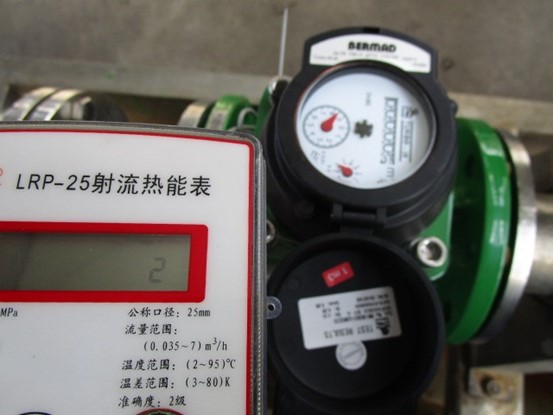
For water meters, inspectors should verify the model, nominal diameter, flow rating, connection type, pressure rating, and meter identification.
For valves, important characteristics include nominal size, pressure class, body material, connection dimensions, and valve type.
Material verification is particularly important because incorrect materials may affect corrosion resistance, mechanical strength, and service life.
Depending on the agreed requirements, inspectors may review material certificates, markings, and available factory test records. Independent material composition testing may be necessary when material authenticity is critical.
2. Check Dimensions and Workmanship
Dimensional accuracy directly affects installation compatibility and sealing performance.
Common measurement points include:
- Overall product dimensions and weight.
- Thread dimensions and connection sizes.
- Flange dimensions and bolt-hole positions.
- Valve body and connection alignment.
- Water meter installation length.
Inspectors should compare actual measurements with approved drawings and specified tolerances.
Visual inspection should also identify casting defects, cracks, corrosion, damaged threads, burrs, coating defects, and poor surface finishing.
For products with protective coatings, inspectors should verify coating appearance and any specified thickness requirements using suitable equipment when available.
3. Evaluate Water Meter Measurement Performance
Accurate flow measurement is one of the most important performance requirements for water meters.
Depending on the meter type, applicable standards, and available test equipment, performance verification may include:
Flow Accuracy: Comparing indicated water consumption against a calibrated reference measurement at specified flow rates.
Starting Flow: Checking whether the meter begins registering flow under the specified operating conditions.
Pressure Loss: Measuring the pressure drop across the meter at defined flow conditions.
Display Function: Verifying that mechanical registers or electronic displays operate correctly.
Pulse Output: Checking pulse signals, pulse values, and output consistency for models equipped with pulse transmitters.
For electronic or smart water meters, additional checks may cover battery status, communication interfaces, and data transmission functions.
Accurate metrological testing generally requires a suitable calibrated test bench. Inspectors should verify factory test records or witness agreed tests when appropriate equipment is available.
4. Check Valve Operation and Sealing Performance
Valves must operate correctly and prevent unintended leakage under specified conditions.
The inspection scope depends on whether the product is a ball valve, gate valve, check valve, butterfly valve, or another design.
Typical functional checks include:
- Smooth opening and closing operation.
- Correct handle or actuator movement.
- Proper valve position indication.
- Absence of abnormal resistance or jamming.
- Correct assembly of seals and components.
Leakage and pressure testing are especially important.
Depending on the applicable standard, factory tests may include shell pressure testing and seat leakage testing at specified pressures and durations.
For example, ISO 5208 provides requirements for industrial valve pressure testing, while other standards may apply to particular valve types.
These tests should be conducted using appropriate equipment and documented procedures. Routine visual inspection alone cannot establish pressure resistance or sealing integrity.
5. Identify Common Manufacturing Defects
Water meters and valves may develop different defects during casting, machining, assembly, and final testing.
Common water meter defects include:
- Inaccurate measurement readings.
- Damaged or unclear registers.
- Incorrect pulse output.
- Leakage around joints or housings.
- Incorrect connection dimensions.
Common valve defects include:
- Leakage through the valve seat.
- Cracks or porosity in cast bodies.
- Damaged threads or sealing surfaces.
- Excessive operating torque.
- Incorrect assembly or missing components.
During mechanical parts inspection, these defects should be classified according to their effect on functionality, safety, and the agreed acceptance criteria.
6. Review Factory Testing and Quality Records
Some important performance characteristics cannot be reliably verified through basic on-site checks.
Buyers should therefore request relevant factory testing records, including calibration certificates, pressure test results, leakage test records, and applicable material documentation.
For water meters, ISO 4064 and OIML R 49 may provide relevant metrological requirements, depending on the product and destination market.
For valves, applicable standards depend on the valve design, intended application, and contractual specifications.
Where drinking-water contact is involved, buyers should also confirm any required material safety approvals or certifications for the destination market.
A pre-shipment inspection can verify product condition, markings, quantities, packaging, and available testing documentation, but it does not replace accredited laboratory testing or certification.
7. Verify Packaging and Shipment Readiness
Before shipment, inspectors should check whether products are adequately protected against handling damage, contamination, and corrosion.
Important checkpoints include protective caps, thread protection, individual packaging, carton strength, labeling, and shipping marks.
For heavy valves, appropriate internal support and secure packaging are particularly important.
Inspectors should also verify the quantity of each model against the packing list and purchase order.
Conclusion
Effective water meter and valve inspection requires more than checking appearance and dimensions. Buyers should establish product-specific requirements covering materials, functional performance, sealing integrity, factory testing records, and packaging.
NBNQC provides independent third-party inspection services in China, helping importers verify water meters, valves, and other industrial products against approved specifications before shipment.
Clear inspection requirements and appropriate testing arrangements can help reduce quality disputes and improve purchasing decisions.