Stainless steel tableware is widely sourced from China because it is durable, easy to clean, and suitable for household, restaurant, hotel, and promotional use. However, buyers should not judge these products only by their shiny surface or a simple “304” mark.
The real concern is whether the material is suitable for food contact, whether the supplier’s material claim is reliable, and whether the finished goods match the agreed specifications before shipment.
Common Stainless Steel Materials Used for Tableware
304 Stainless Steel
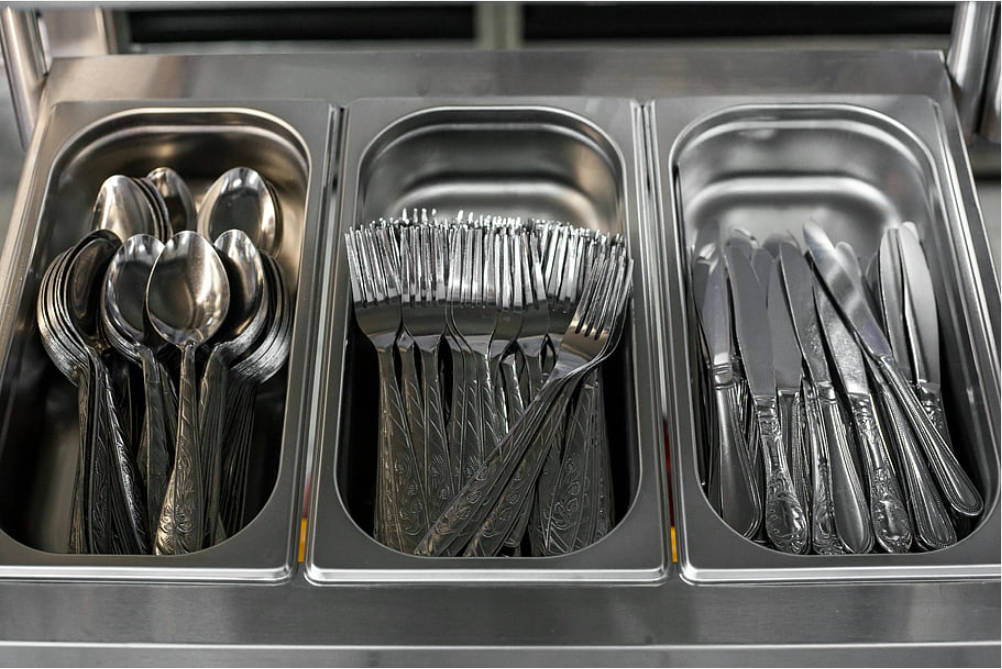
304 stainless steel is one of the most common materials used for food-contact tableware, such as spoons, forks, bowls, trays, lunch boxes, and food containers. It has good corrosion resistance and is widely accepted for general tableware use.
However, a “304” mark alone is not enough. Buyers should ask for clear material information, product specifications, and test reports when required.
316 Stainless Steel
316 stainless steel generally has better corrosion resistance than 304 and is often used for higher-end products or products exposed to more demanding conditions.
For normal tableware, 316 may not always be necessary. But if a supplier claims 316 material, the claim should be supported by reliable documents or testing.
430 Stainless Steel
430 stainless steel is magnetic and is sometimes used for trays, cutlery parts, kitchenware, or outer components. It is not automatically unsuitable, but its corrosion resistance is generally lower than 304 or 316.
Buyers should confirm whether 430 is suitable for the product’s intended use, especially when the tableware may contact salty, acidic, or hot food.
410 and 420 Stainless Steel
410 and 420 stainless steels are often used for knives, blades, or parts that require higher hardness. They may be suitable for specific tableware items, but they should not be confused with 304 or 316.
For products with several parts, the material of each part should be clearly defined, such as the blade, handle, lid, rim, clip, or decorative component.
201 and 202 Stainless Steel
201 and 202 stainless steels are lower-cost materials. They may look similar to 304 after polishing, but their corrosion resistance is usually weaker.
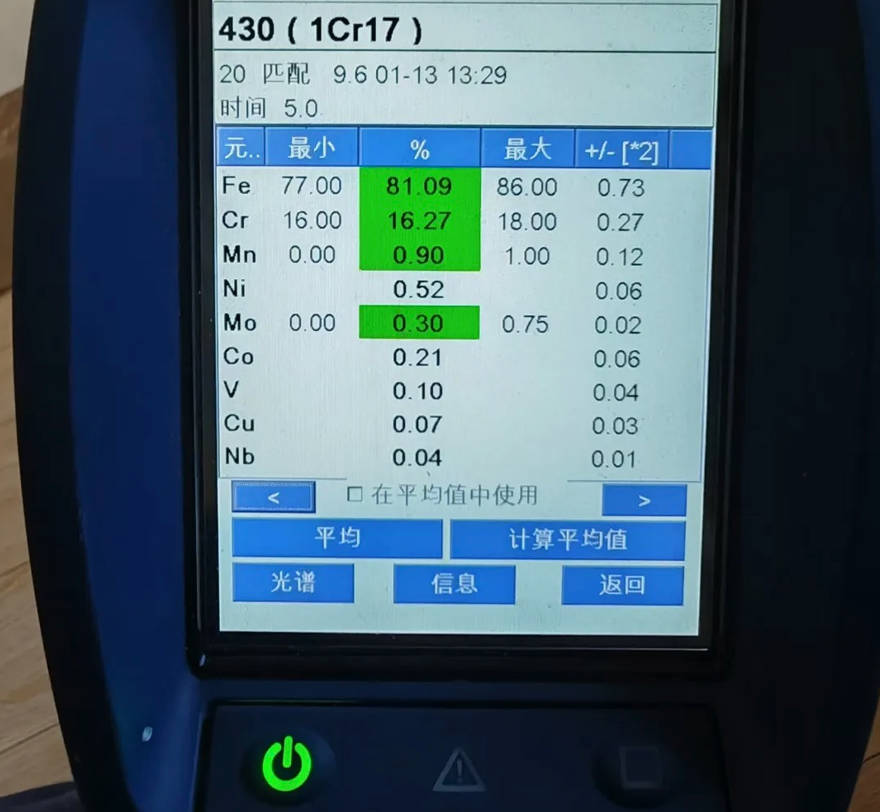
The main issue is not that 201 or 202 always cannot be used. The real risk is when these materials are sold as 304 or 316, or when the supplier only uses vague descriptions such as “food-grade stainless steel” without clear details.
Common Material Substitution Risks
Material substitution is one of the common risks when sourcing stainless steel tableware. A product may look bright and well-polished, but the actual material may not match the supplier’s claim.
Common risks include:
- 201 or 202 stainless steel sold as 304 or 316
- vague claims such as “premium stainless steel” or “food-grade stainless steel”
- only the main body using 304, while other parts use cheaper materials
- inconsistent material between samples and mass production
- thin material, poor polishing, or weak corrosion resistance
Buyers should not rely only on product photos, surface appearance, or stamped marks. Clear specifications and supporting documents are more reliable.
Potential Safety Concerns from Poor Materials
The main concern with unsuitable stainless steel tableware is corrosion and possible metal migration under certain conditions. Tableware may come into contact with hot food, salty food, acidic sauces, soup, or cleaning chemicals.
If the material is not suitable, the product may rust more easily or release more metal elements during use.
Buyers should pay attention to:
Manganese:
201 and 202 stainless steels usually contain higher manganese. Manganese is an essential trace element, but excessive exposure can be a concern.
Lead and cadmium:
These should not be intentionally used in food-contact stainless steel and should be strictly controlled as impurities.
Nickel and chromium:
Nickel and chromium are normal alloy elements in many stainless steels. Their presence does not mean the product is unsafe. The key point is whether the material meets the required food-contact requirements.
Rust and corrosion:
Rust spots are not only appearance defects. They may indicate poor material selection, poor surface treatment, contamination, or unsuitable storage conditions.
How Buyers Can Choose Better Stainless Steel Tableware
Before placing an order, buyers should define the product requirements clearly and avoid relying only on supplier claims.
A practical checklist includes:
- confirm the stainless steel grade, such as 304, 316, 430, 410, or 420
- avoid vague material descriptions without details
- request material declarations or test reports when necessary
- check the applicable food-contact requirements for the target market
- compare the price with normal market levels
- define thickness, weight, surface finish, and polishing requirements
- confirm the material of each part, not only the main body
- check whether the product will contact hot, salty, acidic, or wet food
- request approved samples before mass production
For children’s tableware, food containers, premium products, or large-volume orders, lab testing may be necessary to verify material composition and food-contact safety.
What to Check Before Shipment
Before shipment, buyers should confirm whether the finished goods match the purchase order, approved sample, packaging artwork, and material requirements.
Important inspection points include:
- product style, size, and weight
- material markings
- surface finish and polishing
- rust spots, stains, black marks, or discoloration
- sharp edges and burrs
- dents, cracks, deformation, or poor welding
- fitting of lids, handles, clips, or accessories
- logo, label, barcode, and warning information
- packaging method and carton marks
- consistency with approved samples
Product inspection can help identify visible defects, workmanship issues, packaging problems, and whether the shipment matches the buyer’s requirements. However, when chemical composition or migration safety must be confirmed, laboratory testing is still necessary.
Final Thoughts
Choosing stainless steel tableware made in China is not only about finding a good-looking product or a low price. Buyers should pay attention to material grade, food-contact compliance, supplier transparency, surface quality, and the intended use of the product.
304 and 316 stainless steel are common choices for food-contact tableware, but the grade mark alone is not enough. Clear specifications, reliable documents, proper inspection, and testing when necessary can help buyers reduce material substitution risks and make better shipment decisions.