Before releasing goods for shipment, importers need to confirm more than whether production has been completed. Product quality, order quantities, inspection findings, corrective actions, and shipping arrangements should all be reviewed to reduce avoidable risks.
For buyers sourcing from China, a final shipment review provides an opportunity to identify unresolved issues before goods leave the factory. A structured approval process also helps prevent misunderstandings between buyers, suppliers, and logistics providers.
The following checklist outlines seven important points buyers should confirm before authorizing shipment.

1. Confirm the Actual Finished Quantity
The first step is to verify whether the supplier has completed the full order quantity.
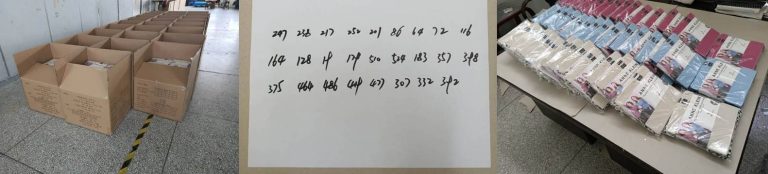
Buyers should compare the purchase order with the factory’s actual finished quantity, packed quantity, and carton count. Any shortages, additional quantities, or incomplete production should be clarified before shipment.
For orders involving multiple styles, colors, or sizes, the breakdown should also be checked individually. A correct total quantity does not necessarily mean that every product variation is complete.
If part of the order is not ready, buyers should confirm whether partial shipment is acceptable and whether the remaining goods require a separate inspection.
2. Review Product Quality Against Approved Requirements
Finished products should match the approved samples, technical specifications, drawings, and purchase order requirements.
Buyers should pay particular attention to:
- Materials, colors, dimensions, and product specifications.
- Workmanship, appearance, and assembly quality.
- Logos, labels, printing, and product markings.
- Accessories, components, and product completeness.
- Functional performance and agreed on-site tests.
The inspection scope should reflect the product category and the buyer’s priorities. For example, garment orders may require additional attention to stitching, measurements, and fabric appearance, while electronic products may need functional checks and electrical safety testing.
Any deviation from approved requirements should be evaluated before shipment approval.
3. Examine the Inspection Report and Defect Findings
An inspection report should provide objective information about the actual condition of the inspected goods.
Rather than looking only at the final PASS or FAIL result, buyers should review the supporting details, including sample size, defect quantities, defect classifications, photographs, measurements, and test results.
For AQL-based inspections, the applicable sampling plan and acceptance criteria should be confirmed. A commonly used standard is ANSI/ASQ Z1.4, with Critical 0, Major 2.5, and Minor 4.0 as typical buyer-selected settings.
Buyers should distinguish between defects that affect product appearance and those that may influence safety, functionality, or usability.
A passing inspection result does not guarantee that every unit is defect-free. It indicates that the sampled results meet the agreed acceptance criteria.
4. Verify Corrective Actions for Identified Problems
If the inspection identifies quality problems, buyers should request an explanation and corrective action from the supplier before releasing the goods.
Depending on the severity and nature of the defects, corrective actions may include:
- Repairing defective products.
- Replacing non-conforming components.
- Sorting defective units from acceptable products.
- Reworking labels, printing, or packaging.
- Completing missing quantities or accessories.
For significant defects or failed inspections, a re-inspection may be necessary to verify that the corrective actions have been completed successfully.
Buyers should not rely solely on verbal confirmation or factory photographs when substantial quality issues remain unresolved.
5. Check Packaging, Labels, and Shipping Marks
Packaging problems can lead to product damage, incorrect deliveries, and additional costs even when the products themselves meet quality requirements.
Before shipment, buyers should confirm that:
- Individual packaging meets the agreed requirements.
- Inner protection is sufficient for transportation.
- Cartons are properly sealed and in acceptable condition.
- Shipping marks and carton labels are correct.
- Barcodes and product labels are readable.
- Carton quantities and assortment details are accurate.
For fragile, heavy, or specially packaged products, additional packaging checks or agreed carton tests may be necessary.
Buyers should also confirm that the final packing details match the shipping documents and purchase order.
6. Confirm Shipment Arrangements and Outstanding Requirements
Product quality approval is only one part of shipment readiness. Buyers should also coordinate with suppliers and logistics providers to ensure that all outstanding arrangements have been completed.
Important details include the final carton count, gross and net weight, carton dimensions, shipping marks, loading arrangements, and agreed shipping date.
For orders involving multiple suppliers or production locations, buyers should confirm that all batches are accounted for and that the shipment plan reflects the actual completion status.
Where container loading supervision is required, buyers can arrange an additional check to verify the goods, quantities, and loading conditions before the container is sealed.
7. Make an Informed Shipment Release Decision
After reviewing the inspection report, supplier corrections, and shipping arrangements, buyers can make a final decision.
Three practical outcomes are possible:
Approve Shipment: The inspected goods meet the agreed acceptance criteria, and no significant unresolved issues remain.
Request Corrective Action: Identified problems require repair, replacement, sorting, or further verification before release.
Hold Shipment: Serious defects, incomplete production, or unresolved contractual requirements make shipment approval inappropriate.
A clear shipment release checklist helps ensure that decisions are based on documented findings rather than assumptions or supplier pressure.
How NBNQC Supports Buyers Before Shipment
For importers who cannot visit factories themselves, an independent inspection provides valuable visibility into the actual condition of finished goods.
NBNQC provides third-party inspection services across mainland China, covering product quantity, workmanship, specifications, dimensions, functionality, labeling, and packaging according to buyer requirements.
Our inspectors provide detailed reports with photographs, defect classifications, and inspection results to help buyers communicate with suppliers and make informed shipment decisions.
When problems are identified, buyers can use independent inspection findings to request corrective action and arrange follow-up inspections when necessary. Maintaining clear supplier corrective action records also helps improve quality management for future orders.
With appropriate inspection planning and a documented approval process, buyers can reduce avoidable shipment risks, protect their purchasing interests, and maintain better control over their supply chains.