Books require careful quality control because even small defects in printing, page sequence, binding, or packaging can affect the final customer experience. For publishers, importers, and brands, professional books inspection helps identify quality issues before products are shipped and ensures that finished books meet approved samples and production requirements.
A reliable books quality control process should cover not only visual appearance but also printing accuracy, page completeness, binding strength, packaging, and product functionality. This is especially important for products such as baby memory books, children’s books, planners, notebooks, and customized printed materials where page order and artwork accuracy are critical.
Key Areas in Books Quality Control
1. Material and Appearance Inspection
The first step in a books inspection process is verifying the overall appearance and materials against approved samples or client specifications.
Inspectors typically check:
- Cover material, paper quality, and thickness
- Color consistency and printing appearance
- Surface finishing, such as lamination, embossing, or coating
- Binding quality and overall workmanship
- Scratches, stains, wrinkles, or other visible defects
Any difference between the approved sample and mass production should be recorded with clear photos and inspection comments.
2. Printing Quality and Artwork Verification
Printing quality is one of the most important parts of books quality control. The inspector should compare the finished books with the approved artwork or design files provided by the client.
The inspection usually includes:
- Text clarity and printing defects
- Color accuracy and consistency
- Missing pages or incorrect content
- Image quality and alignment
- Page-to-page printing position
For customized books, inspectors should check the pages in sequence to confirm that the printed content matches the approved design files.
3. Page Completeness and Page Order Check
For products such as baby memory books, photo albums, and children’s activity books, page completeness and sequence accuracy are key inspection points.
A proper books checklist should include:
- Confirming all pages are included
- Checking the correct page order
- Verifying no duplicated or missing pages
- Comparing page content with approved files
- Taking photos of pages in sequence for verification
Inspectors may check each page individually, especially for customized products with different designs, templates, or personalized content.
4. Binding and Durability Testing
Binding problems can significantly impact the usability of books. During inspection, the following points should be verified:
- Cover attachment strength
- Loose pages or poor stitching
- Glue adhesion quality
- Folding and opening performance
- Resistance to normal handling
For children’s books or frequently used products, additional durability checks may be required to confirm that the book can withstand repeated use.
5. Size, Thickness, and Functional Checks
A professional books inspection checklist should also include dimensional and functional verification.
Common checks include:
- Book size and dimensions
- Paper thickness measurement
- Number of pages
- Barcode or QR code scanning
- Additional features such as pockets, ribbons, stickers, or elastic closures
These checks help confirm that the final product matches the product specifications and customer expectations.
Sampling Standard for Book Inspection
Most book inspections are performed based on internationally recognized sampling standards such as ISO 2859-1 / ANSI ASQ Z1.4.
A common inspection method is:
- Inspection Level II
- AQL 0 / 2.5 / 4.0
- Critical defects: 0
- Major defects: 2.5
- Minor defects: 4.0
The exact sampling level can be adjusted according to product type, order quantity, and client quality requirements.
Packaging Inspection for Books
Packaging is another important part of the books quality control process. Proper packaging protects books during transportation and ensures that products arrive in acceptable condition.
Packaging checks normally include:
- Shipping marks and carton labels
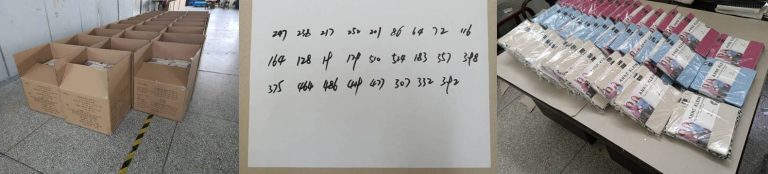
- Carton quantity verification
- Inner packaging condition
- Barcode labels and FBA requirements (if applicable)
- Protection against moisture or transportation damage
For Amazon sellers and international importers, packaging accuracy is especially important because incorrect labels or carton information may create receiving problems.
Customized Books Inspection Services
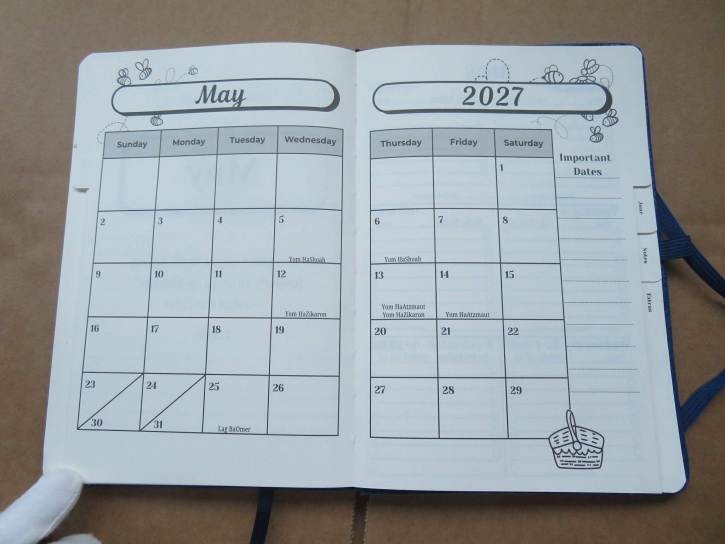
Every book project may have different quality requirements. A children’s memory book may focus on page sequence and printing accuracy, while a planner may require checks on accessories such as elastic bands, pockets, and bookmarks.
A customized inspection checklist can be prepared based on:
- Approved samples
- Artwork and design files
- Product specifications
- Client quality standards
Working with an experienced third-party inspection provider allows importers to identify defects early, reduce quality risks, and improve supplier performance before shipment.
For more information about professional inspection solutions, visit our Product Inspection services.