Choosing a reliable manufacturer requires more than reviewing quotations, product samples, and delivery schedules. Before placing an order, buyers need to understand whether a supplier can consistently meet their quality and production requirements.
A professional manufacturing audit helps identify potential risks by examining a factory’s production capabilities, quality management systems, equipment, and operational practices. However, understanding the warning signs revealed during an audit is equally important.
Here are seven factory audit red flags that buyers should carefully evaluate before starting or continuing cooperation with a supplier in China.
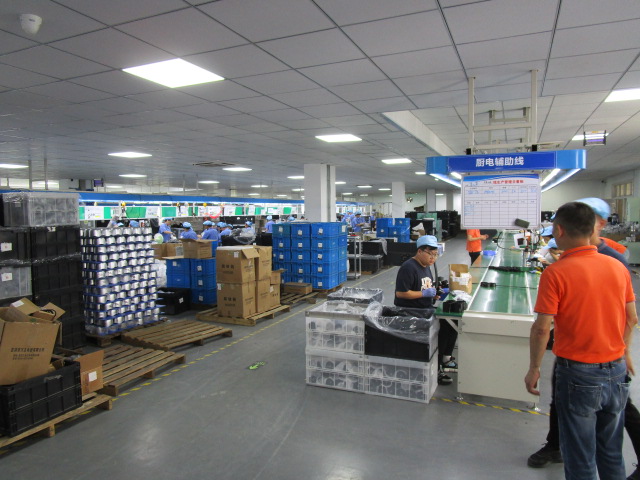
1. Incomplete or Inconsistent Factory Documentation
Reliable manufacturers should maintain accurate business records, production procedures, quality manuals, and relevant certifications.
Warning signs include expired certificates, inconsistent company information, missing production records, or documents that cannot be verified.
Buyers should confirm that the factory’s registered business information matches its actual operations. Important certificates should also be checked for authenticity, validity, and applicable scope.
Incomplete documentation does not automatically indicate an unreliable supplier, but it requires further investigation.
2. Production Capacity Does Not Match Supplier Claims
Some manufacturers promise large production volumes without having sufficient machinery, workers, or production lines to support their commitments.
During an audit, inspectors should evaluate equipment availability, workforce allocation, production schedules, and current workloads.
For example, a factory claiming substantial monthly capacity may operate only a few production lines with limited available resources.
Buyers should compare stated capacity with observable production conditions and supporting records before accepting delivery commitments.
3. Weak Incoming Material Control
Poor raw material management can lead to inconsistent product quality, production delays, and unnecessary waste.
Common warning signs include:
- Materials stored without identification labels.
- Unapproved materials mixed with approved stock.
- Missing incoming inspection records.
- Inadequate separation of rejected materials.
Factories should establish clear procedures for material identification, inspection, storage, and traceability.
Effective incoming material control helps prevent defective components from entering production.
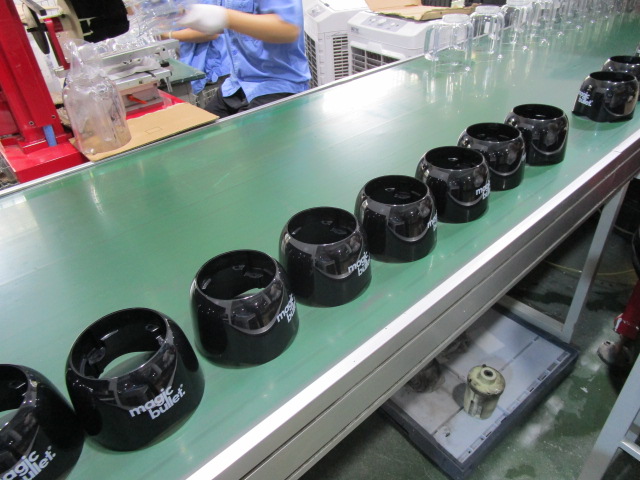
4. Inadequate Quality Control Procedures
A factory may have experienced workers and modern equipment but still lack effective quality management procedures.
During a factory quality system assessment, auditors should verify whether incoming, in-process, and final inspections are performed consistently.
Important warning signs include missing inspection records, unclear acceptance criteria, inadequate measuring equipment, and ineffective corrective action procedures.
Buyers should also examine how the factory handles customer complaints and recurring defects.
A documented quality system is valuable only when employees consistently follow its procedures.
5. Poor Workshop Organization and Product Segregation
Factory organization provides useful insights into operational discipline and production control.
Auditors should examine whether raw materials, semi-finished goods, finished products, and rejected items are properly identified and separated.
Warning signs include mixed production batches, blocked passageways, poorly maintained storage areas, and unidentified defective products.
These conditions can increase the risk of product mix-ups, contamination, damage, and incorrect shipments.
Buyers should request corrective actions when poor organization creates identifiable quality or safety risks.
6. Insufficient Equipment Maintenance and Calibration
Production equipment and measuring instruments directly influence manufacturing consistency.
Potential problems include damaged machinery, missing maintenance records, overdue calibration, and equipment operating outside specified conditions.
For products requiring precise dimensions or functional performance, unreliable measuring equipment can result in incorrect inspection decisions.
Auditors should review maintenance schedules, calibration records, and equipment conditions to determine whether the factory has adequate operational controls.

7. Repeated Problems Without Effective Corrective Actions
One of the most important warning signs is a factory’s inability to prevent recurring quality problems.
Buyers should review previous inspection findings, customer complaints, internal defect reports, and corrective action records.
If the same problems repeatedly occur without effective preventive measures, the factory may lack proper root cause analysis and management follow-up.
A reliable supplier should demonstrate how problems were investigated, corrected, and monitored to prevent recurrence.
What Should Buyers Do After Identifying Audit Red Flags?
Not every audit finding requires rejecting a supplier. Buyers should evaluate each issue according to its severity, potential impact, and the factory’s willingness to improve.
For significant findings, request a corrective action plan that includes responsible personnel, implementation deadlines, and supporting evidence.
A follow-up audit may be necessary to verify whether corrective measures have been implemented effectively.
For suppliers approved to begin production, combining factory evaluations with pre-shipment inspection provides additional visibility into actual product quality before goods are released.
Conclusion
Factory audits help buyers identify operational weaknesses that may not be visible through quotations, samples, or online communication.
By recognizing warning signs involving documentation, production capacity, material control, quality systems, equipment, and corrective actions, importers can make more informed supplier decisions.
NBNQC provides independent manufacturing audits across mainland China, helping buyers evaluate supplier capabilities, identify potential risks, and establish more reliable sourcing relationships.