Valves are essential components in water supply systems, industrial pipelines, HVAC equipment, and various mechanical applications. Their performance depends on accurate manufacturing, reliable sealing, suitable materials, and proper assembly.
When sourcing valves from China, buyers may encounter quality problems that are difficult to identify through appearance alone. Defects involving pressure resistance, sealing surfaces, dimensions, or internal components can affect installation, operation, and service life.
A structured valve inspection helps buyers identify these risks before shipment. Understanding common valve defects and appropriate inspection methods is an important step toward reliable purchasing decisions.
1. Casting Defects and Surface Imperfections
Valve bodies are commonly manufactured through casting, forging, or machining, depending on the valve type and material.
For cast valves, common defects include porosity, shrinkage cavities, cracks, and surface irregularities.
Inspectors should examine accessible surfaces for visible defects, excessive grinding, unauthorized repairs, and poor surface finishing.
However, internal casting defects may not be visible during routine inspection. Radiographic, ultrasonic, or other non-destructive testing may be required when specified by the applicable standard or purchase agreement.
2. Leakage and Poor Sealing Performance
Leakage is one of the most significant quality concerns in valve manufacturing.
Potential causes include damaged sealing surfaces, incorrect assembly, unsuitable sealing materials, or dimensional inaccuracies.
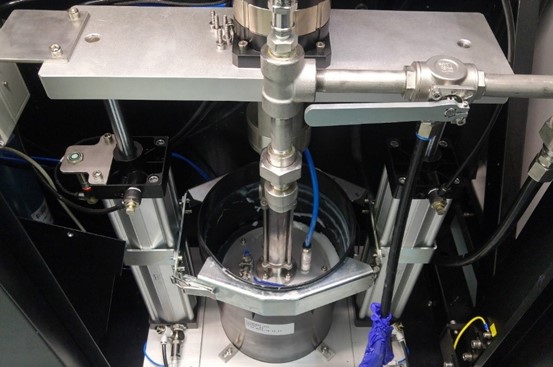
A valve leakage test can help evaluate sealing performance under specified conditions.
Depending on the valve design and applicable testing standard, inspection may involve shell pressure testing, seat leakage testing, or other specified procedures.
Inspectors should verify test pressure, duration, test medium, and acceptance criteria against the approved requirements.
Formal pressure testing requires suitable equipment, trained personnel, and appropriate safety precautions.
3. Incorrect Dimensions and Connection Specifications
Dimensional deviations can prevent valves from fitting correctly into pipelines or equipment.
Important dimensions may include face-to-face length, flange diameter, bolt-hole arrangement, thread specifications, and connection size.
During inspection, inspectors compare measured dimensions against approved technical drawings and relevant standards.
Calipers, thread gauges, and other suitable measuring instruments may be used.
Even relatively small dimensional errors can create installation difficulties, leakage risks, or additional modification costs.
4. Material and Component Nonconformity
Valve performance depends heavily on the materials used for the body, stem, seat, seals, and other components.
Incorrect material grades may affect corrosion resistance, mechanical strength, and compatibility with operating conditions.
A valve material verification process may include checking material markings, supplier certificates, heat numbers, and traceability records.
When material composition must be independently verified, appropriate laboratory analysis or positive material identification may be necessary.
Document review alone cannot conclusively establish the chemical composition of supplied materials.
5. Damaged Sealing Surfaces and Internal Components
Sealing surfaces play a critical role in controlling fluid flow and preventing leakage.
Common problems include scratches, dents, uneven machining, corrosion, and contamination.
Where disassembly is permitted, inspectors may examine accessible seats, discs, stems, and sealing components.
For valves that cannot be disassembled during routine inspection, functional testing and manufacturer test records provide additional evidence.
Damage to critical sealing surfaces may require rework or replacement before shipment approval.
6. Operating and Assembly Defects
Valves should open, close, and operate according to their intended design.
Common assembly problems include incorrect component installation, loose fasteners, misalignment, and excessive operating resistance.
Inspectors should verify accessible operating functions, including handwheel movement, lever operation, and position indicators.
For actuated valves, electrical or pneumatic functions may require additional testing according to the agreed inspection scope.
Unusual resistance, abnormal movement, or incomplete closure should be documented and investigated.
7. Coating, Marking, and Packaging Defects
Surface protection and correct identification are important for valve storage, transportation, and installation.
Inspectors should check coating appearance, visible corrosion, surface damage, and protective treatments.
Where specified, coating thickness and adhesion may require additional testing.
Product markings should match purchase requirements, including manufacturer identification, nominal size, pressure designation, material information, and flow direction where applicable.
Packaging should protect sealing surfaces, flange faces, threads, and other vulnerable components from damage or contamination.
How to Plan an Effective Valve Inspection
Before arranging a pre-shipment inspection, buyers should provide technical drawings, purchase specifications, applicable standards, and approved testing requirements.
Common valve testing references include API 598, ISO 5208, and EN 12266-1, depending on the valve type and contractual requirements.
Inspection plans should clearly distinguish routine visual and dimensional checks from specialized pressure, material, or non-destructive testing.
When specialized testing is required, buyers should confirm equipment availability, test procedures, and inspection arrangements in advance.
Conclusion
Valve defects can affect sealing performance, installation compatibility, operating reliability, and long-term durability.
By checking casting quality, leakage, dimensions, materials, internal components, operation, and packaging, buyers can identify potential problems before shipment.
NBNQC provides independent inspection services across mainland China, helping international buyers verify valve quality against agreed specifications and inspection requirements. Specialized testing can be coordinated according to the confirmed inspection scope and available facilities.