Toys come in many forms, from plush animals and wooden puzzles to plastic building blocks, electronic toys, and outdoor play equipment. Although these products may all fall under the same category, their manufacturing processes, functional requirements, and potential safety risks can be very different.
For importers sourcing toys from China, applying one standard inspection checklist to every product is not always sufficient. A plush toy requires different checks from an electronic toy, while products intended for toddlers may require greater attention to detachable components and choking hazards.
An effective inspection plan should therefore consider the product’s materials, construction, intended function, and target age group before production is completed.
1. Consider the Intended Age Group
Age grading is an important starting point when planning toy inspections. Products designed for different age groups may present different risks during normal use.
For toys intended for infants and toddlers, inspectors should pay particular attention to small detachable parts, loose components, sharp edges, accessible mechanisms, and potential choking hazards.
For toys intended for older children, additional considerations may include mechanical durability, moving components, assembly accuracy, and functional performance.
Buyers should confirm that age labels and warning statements match the approved product documentation and applicable market requirements.
Age grading should not be determined by appearance alone. The intended age group, product design, foreseeable use, and relevant safety requirements should all be considered.
2. Adapt Inspection Methods to Different Toy Materials
The materials used in toy manufacturing directly influence the inspection scope.
Plastic toys: Check molding quality, surface defects, sharp edges, deformation, color consistency, and component assembly. For products with multiple detachable parts, appropriate pull or torque tests may be necessary.
Wooden toys: Examine splinters, cracks, rough surfaces, paint finishing, joint strength, and structural stability. Particular attention should be given to exposed edges and painted surfaces.
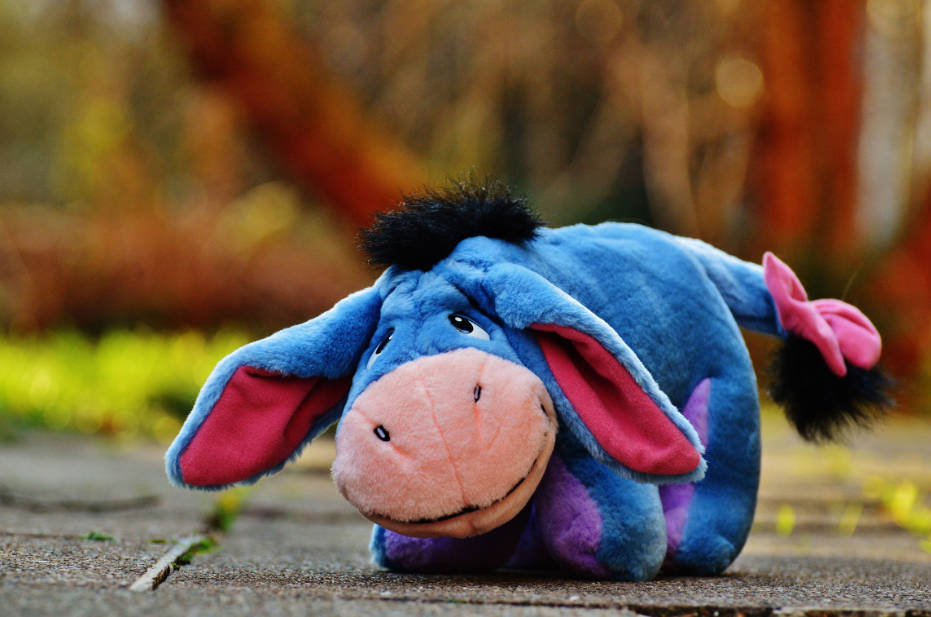
Plush toys: Check fabric quality, stitching, seam strength, filling distribution, loose fibers, decorative attachments, and overall appearance. Eyes, noses, and other attached components should be securely fixed.
Metal toys: Inspect corrosion, sharp edges, welding quality, surface coatings, and mechanical connections.
Material verification should also consider approved specifications. Where chemical composition or restricted substances are involved, laboratory testing is necessary because visual inspection cannot confirm chemical safety.
3. Evaluate Mechanical Structure and Product Durability
Some toys contain moving parts, folding mechanisms, wheels, hinges, springs, or detachable accessories. These structures require additional inspection attention.
For example, toy vehicles should have properly installed wheels and functional moving components. Building toys should have consistent connections between individual pieces, while activity toys may require checks on joints, hinges, and moving mechanisms.
Depending on product design, suitable checks may include:
- Pull tests for attached components.
- Torque tests for parts that can be twisted.
- Drop tests to evaluate structural damage.
- Repeated operation tests for moving mechanisms.
- Stability checks for products with supporting structures.
Testing methods, applied forces, and acceptance criteria should be established according to the relevant product requirements. On-site checks should not be presented as a substitute for formal safety testing.
4. Include Functional Checks for Electronic and Interactive Toys
Electronic toys require additional inspection procedures beyond visual and workmanship checks.
Inspectors should verify that the product operates according to its approved specifications.
Common checks include:
- Power-on and power-off functions.
- Battery installation and compartment security.
- Buttons, switches, and control functions.
- Sound, lights, and display performance.
- Charging and connection functions, where applicable.
- Basic operation of sensors and interactive features.
Battery compartments deserve particular attention, especially for products intended for younger children. Their construction and accessibility should be evaluated against applicable safety requirements.
For electrical safety, electromagnetic compatibility, and battery compliance, appropriate laboratory testing or technical verification may also be required.
5. Verify Small Parts, Accessories, and Product Completeness
Many toys contain multiple accessories, decorative pieces, instruction materials, or interchangeable components.
A missing accessory may affect product functionality, while a loose or incorrectly attached component may create a safety concern.
Inspectors should compare finished products with approved samples, product specifications, and packing lists.
Important checkpoints include accessory quantities, component attachment, assembly accuracy, product dimensions, and correct product assortments.
For toys intended for young children, small parts testing should be considered where applicable. The relevant requirements depend on the product’s intended age group and destination market.
6. Check Labels, Warnings, and Market Requirements
Toy labeling is not simply a packaging detail. It provides important information about intended use, age restrictions, warnings, and product identification.
Buyers should verify that the finished products and packaging carry the required information for their target markets.
Depending on the destination, applicable requirements may include ASTM F963 and CPSIA-related requirements in the United States, or the EN 71 standards and applicable European toy safety legislation in the EU.
Inspectors can verify visible labels, warning statements, product identification, and consistency with approved documents. However, an on-site inspection alone cannot establish full regulatory compliance.
Buyers should arrange relevant laboratory tests and certification procedures where required.
7. Build a Product-Specific Inspection Plan Before Shipment
An effective inspection plan should combine general quality checks with product-specific requirements.
For example, a plush toy checklist should emphasize stitching, filling, fabric, and attached components. An electronic toy checklist should include operating functions and battery-related checks. A wooden puzzle may require additional attention to surface smoothness, piece dimensions, and fitting accuracy.
Before arranging inspection, buyers should provide product specifications, approved samples, artwork, age grading, and any special testing requirements.
NBNQC provides independent toy inspection services across mainland China, covering plastic toys, wooden toys, plush toys, electronic toys, building blocks, and other children’s products.
Our inspectors can conduct Initial Production Check (IPC), During Production Inspection (DPI), Pre-Shipment Inspection (PSI), and Full Inspection (100%) according to individual project requirements.
A well-designed toy inspection checklist by product category helps ensure that the most relevant quality risks are covered rather than relying on a generic inspection procedure.
Combining age-specific safety checks with appropriate functional and workmanship evaluations gives buyers a more practical approach to identifying potential problems before shipment.
By establishing clear inspection requirements and using product-specific testing procedures, importers can improve production oversight, reduce avoidable quality risks, and make more informed shipment decisions.