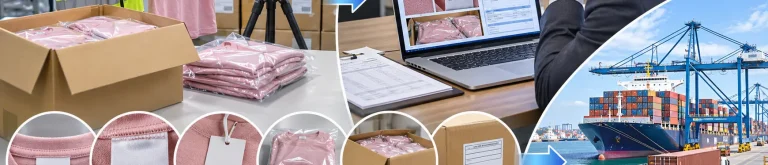
Sourcing footwear from China offers international brands and importers access to extensive manufacturing capabilities, competitive production costs, and a wide range of product categories. However, managing product quality across overseas supply chains can be challenging, particularly when buyers cannot visit factories regularly.
Independent third-party inspection in China helps buyers verify production quality, identify potential problems, and make informed decisions before approving shipments. For footwear orders, a structured inspection strategy can reduce the risks of defective products, incorrect specifications, and costly customer complaints.
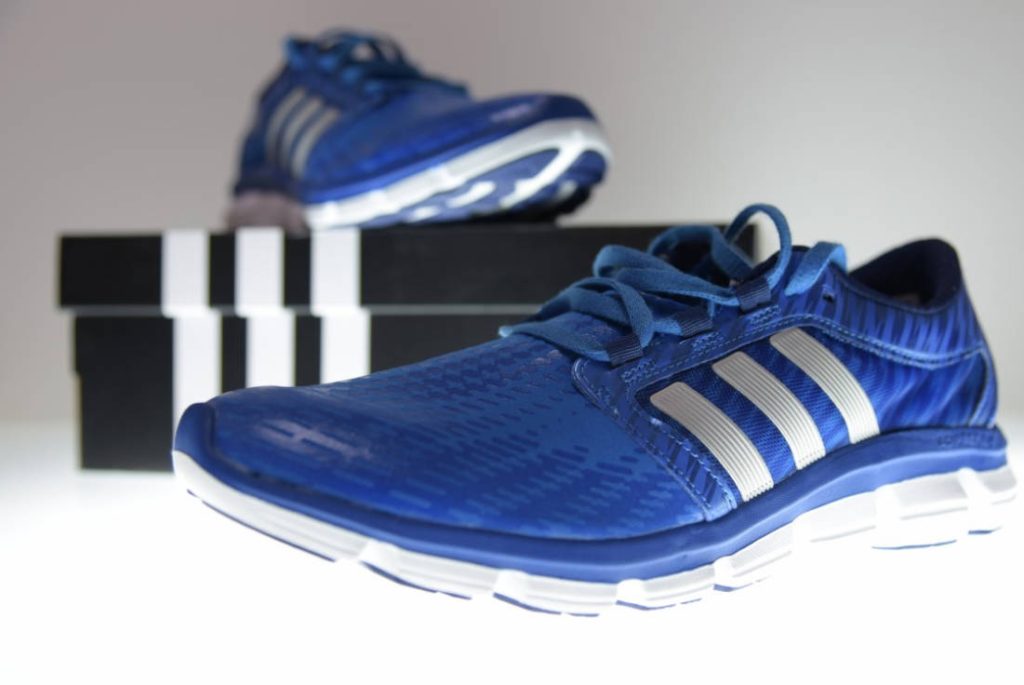
Why Footwear Sourcing Requires Independent Inspection
Footwear manufacturing involves multiple materials, components, and production processes. Uppers, linings, insoles, outsoles, adhesives, and accessories must work together to produce comfortable and durable shoes.
Even when factories provide approved samples, bulk production may differ due to material substitutions, inconsistent workmanship, or insufficient process control.
Common sourcing risks include:
- Incorrect materials or colors compared with approved samples
- Inconsistent sizing between production batches
- Weak bonding between uppers and soles
- Poor stitching, finishing, or component alignment
- Incorrect labels, barcodes, or carton assortments
- Delayed production or incomplete quantities
Independent inspections provide objective information about these risks before products reach their destination markets.
Choosing the Right Inspection Stage
Different inspection stages address different risks. Buyers should select the appropriate service based on production progress, supplier reliability, and order requirements.
Initial Production Check (IPC)
An IPC is typically conducted when production is beginning, with approximately 0–20% of the order completed.
Inspectors review available materials, initial production samples, workmanship, and manufacturing arrangements. This stage is particularly useful for new suppliers, complex designs, or products requiring special materials.
During Production Inspection (DPI)
A DPI is generally performed when approximately 20–80% of production has been completed.
Inspectors examine completed and partially finished shoes to identify recurring workmanship problems, material inconsistencies, or production delays.
Finding problems at this stage allows factories to implement corrective actions before the entire order is completed.
Pre-Shipment Inspection (PSI)
A PSI is normally arranged when at least 80% of production is completed and the goods are ready for inspection.
Inspectors verify finished footwear against approved specifications, including appearance, workmanship, measurements, labeling, packaging, and selected functional checks.
For overseas buyers, pre-shipment inspection provides important information before shipment approval and final payment decisions.
Establishing Clear Inspection Requirements
An effective inspection begins with accurate product information.
Before booking an inspection, buyers should provide approved samples, technical specifications, size charts, material requirements, packaging instructions, and relevant acceptance criteria.
For footwear orders, particular attention should be given to:
- Size measurements and permitted tolerances
- Upper and outsole materials
- Stitching and bonding requirements
- Color consistency and pair symmetry
- Functional performance and durability requirements
- Retail packaging and shipping marks
Clear requirements reduce disagreements between buyers, suppliers, and inspectors when evaluating product conformity.
Using AQL Sampling to Evaluate Production Quality
Random sampling is commonly used to evaluate footwear quality without inspecting every pair.
Under ANSI/ASQ Z1.4 sampling plans, the inspection sample size depends on the lot quantity and selected inspection level.
A commonly used approach is General Inspection Level II with AQL limits of:
- Critical defects: 0
- Major defects: 2.5
- Minor defects: 4.0
Inspectors classify defects according to their severity and compare the results with the applicable acceptance and rejection numbers.
AQL sampling provides a structured basis for evaluating a production lot, although it does not guarantee that every pair is defect-free.
For orders requiring stricter control, buyers may consider 100% inspection.
Managing Failed Inspections and Corrective Actions
An inspection failure does not automatically mean the entire order must be discarded.
Instead, buyers should review the findings and determine appropriate corrective actions with their suppliers.
Depending on the problems identified, corrective measures may include repairing defective shoes, replacing components, sorting affected quantities, or reproducing unacceptable products.
A follow-up inspection can then verify whether the agreed corrections have been completed.
Importantly, shipment approval should remain the buyer’s decision, based on inspection findings, contractual requirements, and acceptable commercial risks.
How NBNQC Supports Footwear Importers
NBNQC provides independent footwear quality inspection services across mainland China, helping international buyers evaluate product quality at different manufacturing stages.
Our inspectors assess footwear against buyer-provided specifications and document findings through inspection reports, defect descriptions, and photographic evidence.
By combining appropriate inspection scheduling, clear acceptance criteria, and effective supplier communication, buyers can improve shipment consistency and reduce avoidable sourcing risks.
Conclusion
Successful footwear sourcing requires more than selecting a capable manufacturer. Buyers also need reliable methods to verify that bulk production meets agreed quality requirements.
Independent third-party inspections provide practical oversight throughout production, helping importers identify problems earlier, evaluate finished goods objectively, and make better shipment decisions.