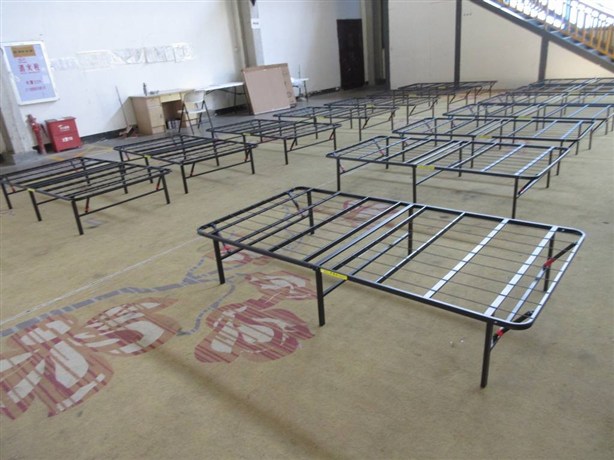
Solid wood furniture is valued for its durability, appearance, and natural character, but it can also be sensitive to moisture, structural defects, surface damage, and packaging problems. A product may look acceptable at first glance while still having loose joints, excessive wood moisture, dimensional deviations, or assembly problems that only become apparent after delivery.
A structured Pre-Shipment Inspection helps importers and furniture brands identify these risks before shipment. For solid wood furniture, inspection should focus not only on appearance but also on construction, moisture content, dimensions, functionality, and packaging.
Below are five critical steps commonly included in a solid wood furniture inspection.
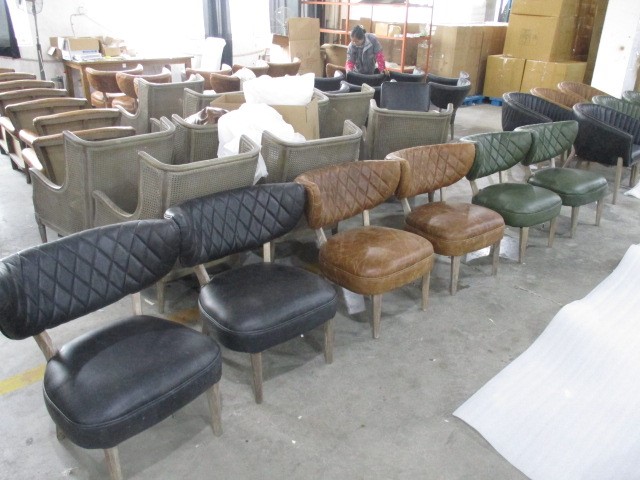
1. Visual and Structural Inspection
The first step is to check the overall appearance and construction of the furniture against the approved sample, product specifications, drawings, or buyer requirements.
Inspectors typically examine:
- Wood surface and finish
- Color and grain consistency
- Scratches, dents, cracks, or chips
- Warping or deformation
- Uneven coating or staining
- Gaps between joints
- Loose or unstable components
- Poorly fitted panels or parts
Natural variation is expected in solid wood, but obvious differences in color, grain, or surface finish should still be assessed against the approved standard.
Structural stability is equally important. Chairs, tables, cabinets, beds, and similar products should not wobble or show looseness at joints under normal use.
These checks form a fundamental part of Furniture Quality Control because many customer complaints result from visible defects or structural instability.
2. Wood Moisture Content Verification
Moisture content is one of the most important quality factors for solid wood furniture.
If wood contains excessive moisture, it may shrink, crack, warp, or develop joint problems after shipment. Wood that is too dry may also become unstable depending on storage and environmental conditions.
During inspection, a moisture meter can be used to take readings from selected wooden components.
The results should be compared with:
- Buyer specifications
- Approved product requirements
- Factory standards agreed with the buyer
- Applicable inspection criteria
Readings should normally be taken from several locations rather than relying on a single measurement.
The inspection report should record the measured values and clearly identify any readings outside the specified limits.
3. Dimensions, Assembly and Functional Checks
Solid wood furniture must also match the approved dimensions and construction requirements.
Inspectors may measure key dimensions such as:
- Overall length, width, and height
- Seat height
- Tabletop thickness
- Panel thickness
- Drawer dimensions
- Leg spacing
- Shelf dimensions
For knock-down or flat-pack furniture, assembly testing is particularly important.
The inspector should verify that:
- All required parts are included
- Hardware quantities are correct
- Holes and fittings align properly
- Assembly can be completed according to the instructions
- Components fit without excessive force
- The finished product remains stable after assembly
Drawers, doors, hinges, locks, adjustable parts, or folding mechanisms should also be operated to confirm proper functionality.
This stage of Furniture Inspection helps identify problems that may not be visible when the furniture remains packed.
4. Strength and Stability Checks
Depending on the product type and buyer requirements, practical on-site tests may be performed to evaluate basic strength and stability.
Examples include:
- Stability checks
- Load tests
- Seat or tabletop loading
- Drawer operation tests
- Door opening and closing
- Pull tests on handles or fittings
- Basic impact or pressure tests
These tests should follow the buyer’s specifications or agreed inspection procedure whenever possible.
Inspectors should avoid applying unsupported acceptance criteria if no requirement has been provided.
For products requiring formal structural certification or detailed performance testing, laboratory testing may be necessary in addition to normal Quality Inspection.
5. Packaging and Shipping Protection
Even well-manufactured furniture can be damaged during transportation if packaging is inadequate.
During a pre-shipment inspection, inspectors should verify:
- Carton condition and dimensions
- Protective foam or padding
- Corner and edge protection
- Wrapping and moisture protection
- Hardware packaging
- Assembly instructions
- Carton markings
- Product identification
- Quantity per carton
Large or heavy furniture requires particular attention to corners, legs, glass components, finished surfaces, and other areas vulnerable to impact.
Where wooden pallets, crates, or other wood packaging materials are used for international shipment, applicable requirements such as ISPM 15 may also need to be verified.
ISPM 15 applies to regulated wood packaging materials such as pallets and crates, rather than being a general quality requirement for the solid wood furniture itself.
Reporting Inspection Findings
A professional inspection report should provide clear evidence of the inspection results.
Typical records include:
- Product and packaging photos
- Defect photos
- Dimensions
- Moisture readings
- Functional test results
- Assembly observations
- Quantity verification
- Packaging condition
- Comparison with approved samples or specifications
Significant defects should be clearly described and classified according to the agreed inspection criteria.
Clear documentation allows the buyer to determine whether the order can be shipped, requires corrective action, or should be re-inspected after rework.
Conclusion
Solid wood furniture requires more than a basic visual check before shipment. Moisture content, structural integrity, dimensions, assembly, functionality, and packaging can all affect product quality after delivery.
A structured Pre-Shipment Inspection helps identify these issues before goods leave the factory. By combining visual inspection, measurements, moisture testing, functional checks, and packaging verification, buyers can reduce shipment risks and maintain more consistent furniture quality.