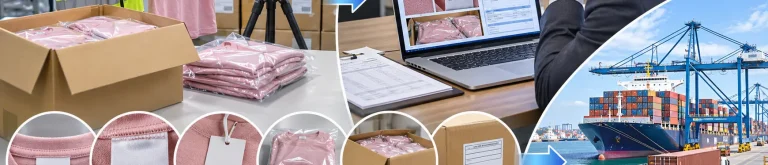
Importing sanitary ware from China involves more than selecting attractive designs and competitive prices. Products such as toilets, wash basins, bathtubs, faucets, and shower fittings must meet the buyer’s specifications while satisfying applicable requirements in their destination markets.
For European importers, arranging a sanitary ware inspection in China helps identify manufacturing defects before shipment. However, product quality inspection and regulatory compliance assessment serve different purposes, and both deserve attention.
Different Products Require Different Inspection Criteria
Sanitary ware covers several product categories with distinct materials, functions, and manufacturing processes.
Ceramic toilets and wash basins are typically examined for glazing quality, dimensional accuracy, cracks, and surface imperfections. Faucets and mixers require attention to assembly, water leakage, operating mechanisms, and surface finishes.
Bathtubs and shower trays may require checks for deformation, surface defects, drainage performance, and installation dimensions.
Using the same inspection checklist for every sanitary product can overlook important risks.
Buyers should therefore provide product-specific requirements, approved samples, technical drawings, and relevant test specifications before inspection.
Ceramic Defects That Affect Product Acceptance
Ceramic sanitary products can develop defects during forming, glazing, firing, or handling.
Common problems include pinholes, glaze bubbles, uneven surfaces, color differences, cracks, and deformation.
Some imperfections are primarily cosmetic, while others may affect durability, hygiene, or installation.
For example, a small glaze imperfection in a concealed area may be acceptable under the buyer’s approved standard. A visible crack in a toilet bowl or wash basin, however, may indicate a more serious problem.
Inspectors should examine visible and accessible surfaces, compare dimensions with approved drawings, and document defects using clear photographs.
Where internal structural integrity or material performance must be verified, specialized testing may be required.
Functional Checks for Faucets and Shower Fittings
Faucets and shower fittings combine mechanical components, sealing materials, and surface finishes.
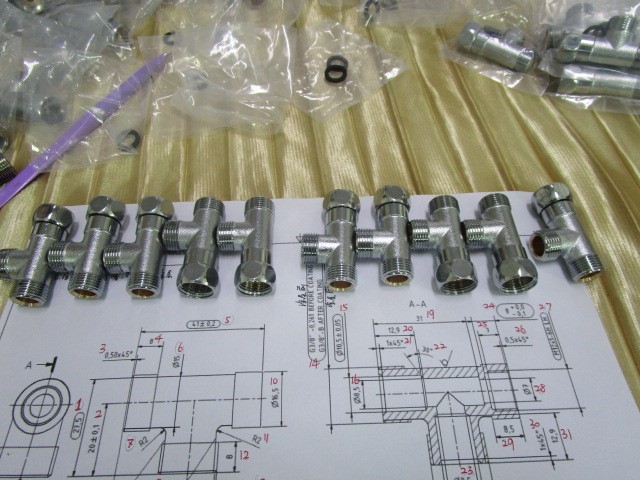
Typical inspection concerns include leaking connections, loose handles, incorrect threads, damaged plating, and inconsistent operation.
Depending on available equipment and the agreed inspection scope, inspectors may conduct basic water leakage checks, operating tests, and dimensional verification.
However, factory-level functional checks cannot automatically replace laboratory testing for pressure resistance, mechanical endurance, or material safety.
Importers should distinguish between observable assembly defects and performance characteristics requiring controlled testing.
Understanding European Standards
European standards provide technical requirements for different sanitary product categories.
Examples include:
- EN 997 for WC pans and WC suites.
- EN 14688 for wash basins.
- EN 14516 for baths for domestic purposes.
- EN 817 for mechanical mixing valves.
- EN 1111 for thermostatic mixing valves.
These standards address different product characteristics and should not be treated as interchangeable.
For buyers sourcing sanitary products for the European market, applicable standard editions and national requirements should be confirmed before production.
A standard may be relevant to product performance without automatically establishing every legal requirement for placing the product on the market.
CE Marking and Regulatory Responsibilities
CE marking is an important consideration for certain sanitary appliances covered by applicable EU legislation.
Under the Construction Products Regulation framework, some sanitary appliances may be subject to requirements involving harmonised technical specifications, declarations of performance, and CE marking.
However, CE marking does not apply universally to every faucet, shower fitting, or bathroom accessory.
The applicable obligations depend on product classification, intended use, relevant legislation, and the current regulatory framework.
Electrical sanitary products, such as certain smart toilets, may also fall under additional EU electrical or electromagnetic compatibility requirements.
Importers should verify applicable obligations with qualified compliance specialists rather than assume that one certificate covers every requirement.
Drinking Water Contact Requirements
Products that come into contact with drinking water may face additional material hygiene requirements.
Faucets, valves, and related fittings can contain metals, plastics, rubber seals, and coatings that require assessment for their intended drinking-water applications.
Requirements may involve EU-level rules and applicable national approval arrangements during regulatory transition periods.
For example, some markets use established national certification or assessment systems for drinking-water contact materials.
A routine third-party product inspection cannot determine chemical migration or establish drinking-water material compliance through visual examination alone.
Relevant laboratory reports, material documentation, and applicable approvals should be reviewed separately.
What Pre-Shipment Inspection Can Verify
Before shipment, inspectors can compare finished sanitary products against approved specifications and purchase order requirements.
Typical checks include product identification, quantities, workmanship, dimensions, accessible functionality, labeling, packaging, and shipping marks.
Fragile ceramic products also require appropriate packaging protection to reduce the risk of transportation damage.
For importers managing quality control in China, pre-shipment inspection provides documented evidence of the sampled products’ condition before dispatch.
Nevertheless, passing an inspection does not guarantee that every unit is defect-free or that all regulatory requirements have been satisfied.
A Practical Approach for European Importers
Reliable sanitary ware sourcing requires two complementary processes: verifying manufacturing quality and establishing applicable regulatory compliance.
Buyers should confirm technical requirements before production, obtain appropriate compliance documentation, and arrange product inspections at suitable manufacturing stages.
NBNQC provides independent product inspection services across mainland China, helping importers assess sanitary ware workmanship, dimensions, functionality, and packaging against agreed specifications.
Combining clear purchasing requirements, appropriate testing, and independent inspection helps buyers reduce avoidable quality problems while maintaining better control over their supply chains.