A dog leash that breaks during a walk, a feeding bowl with sharp edges, or a chew toy that releases small components can create more than an ordinary quality complaint. Such defects may expose pets to injury and leave importers facing returns, disputes, or product liability concerns.
For brands sourcing pet accessories from overseas manufacturers, safety should be considered alongside appearance, durability, and price. A well-planned pet product inspection in China helps identify visible defects, manufacturing inconsistencies, and potential hazards before products reach customers.
Small Components Can Create Serious Risks
Pet toys often combine several materials, including fabric, rubber, plastic, rope, and metal accessories. Their construction may look simple, but small manufacturing defects can affect safety.
Plush toys, for example, may contain plastic eyes, decorative buttons, squeakers, or internal stuffing. If these components become detached during normal use, they may present choking or ingestion hazards.
Chew toys require particular attention to material integrity and construction. Cracks, weak bonding, sharp edges, and loose components should be evaluated against the intended use and approved product specifications.
Inspectors may perform appropriate visual checks, dimensional measurements, and agreed on-site pull or functional tests. However, routine factory inspection cannot replace specialized laboratory testing where material safety or mechanical performance must be formally verified.
Leashes, Collars, and Harnesses: Strength Matters
A leash may have excellent stitching and attractive packaging but still fail because of a weak metal hook or defective buckle.
For pet walking accessories, inspection should focus on the connections between straps, buckles, rings, clips, and adjustment mechanisms.
Typical concerns include:
- Loose or uneven stitching at load-bearing points
- Cracked plastic buckles or poorly secured metal fittings
- Sharp edges that could irritate or injure animals
- Incorrect strap width, length, or adjustment range
- Weak connections between different components
Where suitable equipment and agreed procedures are available, inspectors can perform basic pull-strength checks.
The required test load should be determined by the product’s intended use and buyer specifications rather than applying one arbitrary value to every leash or harness.
Feeding Products Need More Than Visual Checks
Pet bowls, water dispensers, and automatic feeders introduce different quality considerations.
For stainless steel bowls, buyers should verify the specified material grade, surface finish, dimensions, and workmanship. Burrs, sharp edges, unstable bases, and visible corrosion are potential defects.
Plastic feeding products may show molding problems such as flash, deformation, cracks, or poor component fitting.
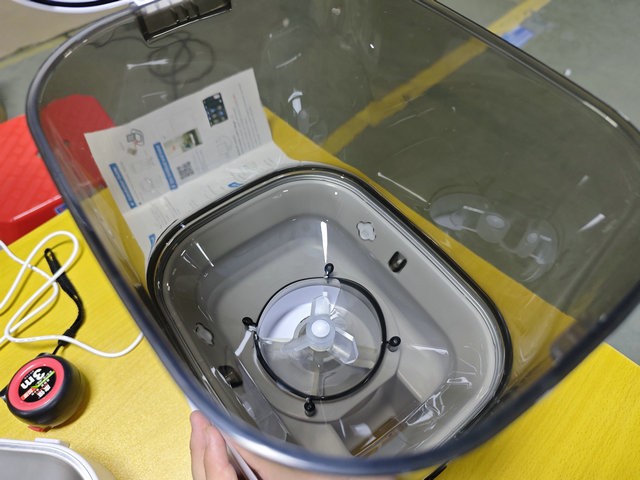
Automatic feeders and drinking fountains require additional functional checks covering switches, dispensing mechanisms, water flow, assembly, and other applicable features.
Materials intended for contact with pet food or drinking water may also require relevant chemical or material testing based on the destination market and product claims.
Visual inspection alone cannot establish whether a material meets applicable chemical safety requirements.
Pet Beds and Carriers: Construction and Durability
Pet beds, cushions, and travel carriers are frequently exposed to repeated movement, scratching, moisture, and cleaning.
Common workmanship problems include open seams, uneven stitching, damaged zippers, exposed filling, and incorrect dimensions.
For carriers and cages, inspectors should also examine door locks, hinges, handles, ventilation openings, and accessible edges.
A poorly secured door or defective carrying handle can create a serious risk during transportation.
For soft-sided carriers, seam strength, zipper operation, structural support, and assembly quality deserve particular attention.
These checks should reflect the product’s intended animal size, weight capacity, and operating conditions.
Matching Inspection Methods to Product Risks
Effective quality control for pet supplies requires different inspection priorities for different products.
For ordinary workmanship and appearance defects, random sampling inspection may be appropriate. ISO 2859-1 or ANSI/ASQ Z1.4 sampling plans can provide structured acceptance criteria.
However, safety-related defects should not be treated as ordinary cosmetic imperfections. Buyers should define critical requirements and appropriate acceptance criteria before inspection.
When products have known manufacturing problems or particularly strict requirements, additional testing or more extensive inspection may be necessary.
A pre-shipment inspection can verify finished products against approved samples, specifications, packaging instructions, and agreed quality criteria before shipment.
Where laboratory analysis or certification is required, buyers should arrange these activities separately with qualified testing providers.
How NBNQC Supports Pet Product Importers
NBNQC provides independent inspection services across mainland China for international buyers sourcing pet accessories and other consumer products.
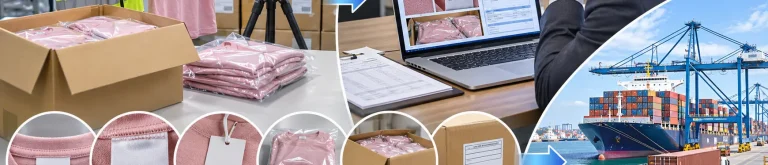
Our inspectors evaluate workmanship, dimensions, functionality, labeling, packaging, and applicable on-site tests according to the agreed inspection scope.
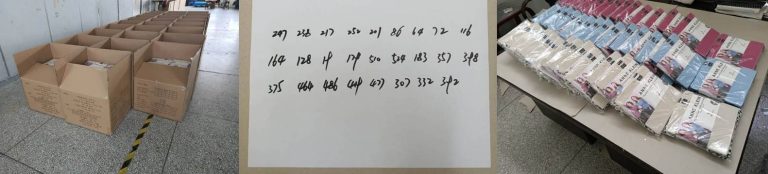
Inspection findings are documented with photographs and defect descriptions, helping buyers communicate quality concerns to manufacturers before shipment.
For pet product importers, the objective is not simply to identify defective merchandise. It is to recognize potential safety problems, verify manufacturing consistency, and make better-informed decisions about product acceptance.
A reliable pet product should meet its specifications while remaining suitable for its intended use.
Contact NBNQC to discuss your pet product inspection requirements and arrange an independent quality check before shipment.