Pet accessories, including collars, leashes, harnesses, toys, feeding bowls, grooming tools, and pet beds, must withstand regular use while remaining suitable for their intended animals. Poor materials, weak stitching, defective hardware, and unsafe components can lead to product failures and customer complaints.
For importers sourcing pet accessories from China, identifying these problems before shipment is essential. A systematic inspection helps verify that finished products match approved specifications and meet agreed quality requirements.
The following seven checkpoints highlight common defects buyers should consider.
1. Material Defects and Unapproved Substitutions
Pet accessories are manufactured from materials such as nylon, polyester, rubber, silicone, plastic, metal, and synthetic leather.
Material quality directly affects durability, appearance, and product performance.
Common defects include:
- Cracked or brittle plastic components
- Uneven rubber surfaces
- Excessive odors or visible contamination
- Rust or corrosion on metal parts
- Incorrect fabric thickness or texture
- Unapproved material substitutions
During pet accessories quality inspection, inspectors should compare finished products with approved samples, material specifications, and purchase requirements.
Chemical safety claims cannot be verified through visual examination alone. Where necessary, buyers should request relevant laboratory test reports.
2. Weak Stitching and Seam Failures
Stitching quality is particularly important for pet collars, harnesses, leashes, and textile accessories.
Poor sewing workmanship can reduce product strength and cause premature failure.
Inspectors should check for:
- Broken or skipped stitches
- Loose thread ends
- Open seams
- Uneven stitching density
- Incorrect reinforcement at stress points
- Poorly secured webbing connections
Special attention should be given to areas around buckles, rings, handles, and attachment points.
Where required, seam strength and tensile performance should be tested against measurable acceptance criteria.
3. Defective Buckles, Clips, and Metal Hardware
Buckles, snap hooks, adjustment sliders, and metal rings are essential components of many pet accessories.
Common problems include loose fittings, sharp edges, corrosion, and malfunctioning locking mechanisms.
Inspectors should verify that hardware operates correctly and remains securely attached.
For collars and harnesses, adjustment mechanisms should hold their positions during normal handling.
During pet product inspection, functional checks should reflect the product’s intended use and the buyer’s specifications.
Load-bearing components may require dedicated tensile or strength testing rather than basic manual checks.
4. Sharp Edges and Detachable Components
Pet toys, feeding accessories, and grooming products may contain small or rigid components that create safety risks.
Inspectors should examine products for sharp edges, exposed wires, loose decorations, and easily detached parts.
Important checkpoints include:
- Sharp plastic or metal edges
- Loose buttons or decorative pieces
- Damaged toy surfaces
- Exposed internal components
- Poorly secured squeakers
- Cracked handles or broken attachments
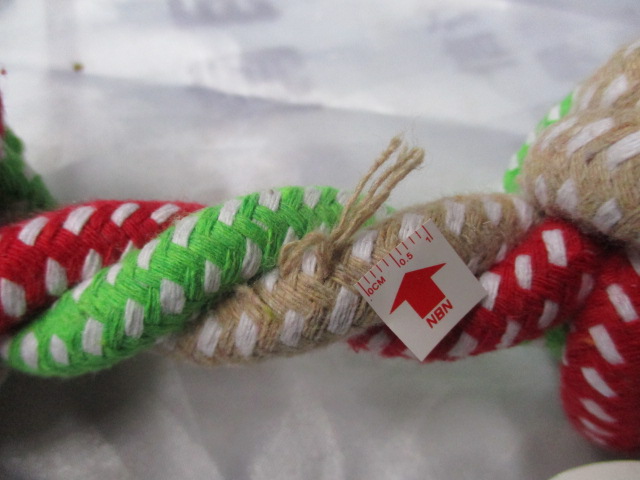
For chew toys, material integrity and the risk of fragment detachment deserve particular attention.
Safety requirements should reflect the intended animal, product design, and destination market.
5. Incorrect Dimensions and Poor Fit
Dimensional consistency is important for pet collars, harnesses, clothing, beds, and carriers.
Incorrect measurements can affect comfort, functionality, and customer satisfaction.
Inspectors should verify:
- Collar and harness adjustment ranges
- Leash length and width
- Pet bed dimensions
- Strap positioning
- Product weight where specified
- Size labels and corresponding measurements
Measurements should be compared with approved specifications and tolerances.
For adjustable products, inspectors should also verify that adjustment mechanisms function smoothly throughout the specified range.
6. Functional and Durability Problems
Different pet accessories require different functional checks.
For example, feeding bowls should remain stable during normal use, while grooming brushes should have securely attached bristles.
Pet toys may require checks for squeaker operation, seam integrity, or component retention.
Pet beds should be examined for filling consistency, zipper operation, and cushion recovery.
Routine on-site checks can identify obvious functional problems, but they cannot establish long-term durability without appropriate testing.
Buyers should define test methods, loads, durations, and acceptance limits before inspection.
7. Packaging and Labeling Defects
Even properly manufactured pet accessories can be damaged or incorrectly identified during packing.
Before shipment, inspectors should verify:
- Correct product models and quantities
- Accurate size and material labels
- Proper packaging protection
- Required instructions and warnings
- Barcode readability
- Correct carton markings
During pre-shipment inspection, inspectors should also verify that finished quantities and packaging arrangements match the purchase order.
Random sampling may follow ISO 2859-1 or ANSI/ASQ Z1.4 using the agreed inspection level and AQL values.
Defects should be classified according to their safety implications, functional impact, and appearance.
Conclusion
Effective pet accessories inspection requires attention to material quality, stitching, hardware strength, component safety, dimensions, functionality, and packaging.
Buyers should establish clear product specifications, measurable acceptance criteria, and appropriate testing requirements before production.
NBNQC provides independent inspection services across mainland China, helping international buyers identify manufacturing defects in finished pet accessories and make informed shipment decisions.