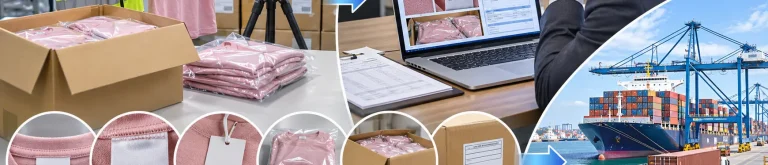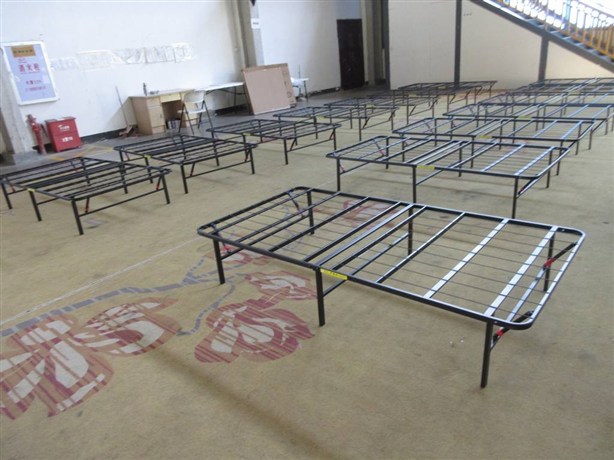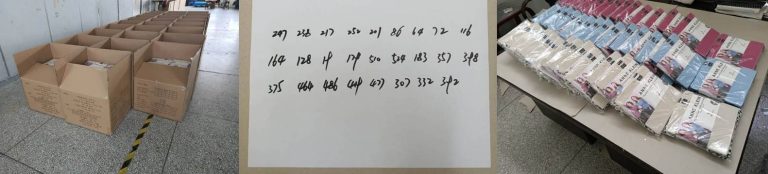
Household products often combine different materials, components, and manufacturing processes. A storage organizer may contain plastic panels, metal frames, and fabric compartments, while a bathroom accessory may combine stainless steel, rubber seals, and plastic fittings. Although these products may appear simple, differences in material quality, assembly accuracy, and functional performance can create significant quality risks.
For importers sourcing household goods from China, a structured inspection plan is essential to ensure that finished products meet approved specifications before shipment. Rather than relying on visual appearance alone, buyers should consider material consistency, workmanship, functionality, dimensions, and packaging throughout the production process.
1. Verify Material Consistency and Product Specifications
Material substitution is one of the potential risks when sourcing household products. Suppliers may use alternative materials, grades, thicknesses, or surface treatments that differ from the approved sample.
During inspection, inspectors should compare the actual materials and product construction against approved samples, technical specifications, drawings, or purchase order requirements.
Important checkpoints include:
- Plastic components: Check material appearance, thickness, color consistency, deformation, and surface finish.
- Metal components: Examine corrosion, oxidation, welding quality, coating uniformity, and sharp edges.
- Wooden components: Check surface smoothness, cracks, moisture-related deformation, and finishing quality.
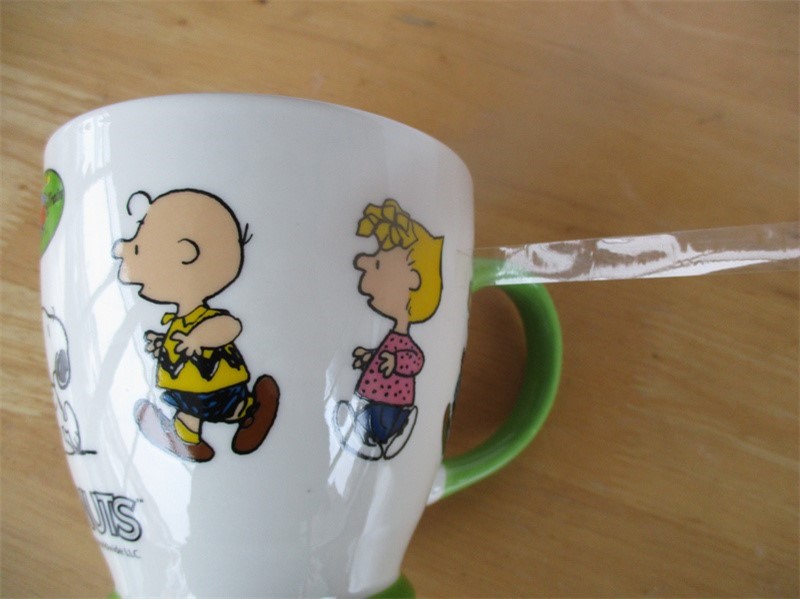
- Glass and ceramic parts: Look for chips, cracks, bubbles, uneven glazing, and dimensional inconsistencies.
- Textile components: Verify fabric quality, stitching, color consistency, and seam strength.
Where material composition or restricted substances are critical, visual inspection alone is insufficient. Buyers should arrange appropriate laboratory testing to verify compliance with the applicable market requirements.
2. Examine Workmanship and Assembly Quality
Household products frequently involve multiple components assembled through molding, welding, riveting, sewing, bonding, or mechanical fastening. Poor workmanship can affect both appearance and product durability.
Inspectors should examine the overall construction and identify defects that may influence product usability or customer satisfaction.
Typical inspection points include:
- Uneven joints, loose fittings, and incomplete assembly.
- Scratches, dents, stains, and inconsistent surface finishes.
- Excessive glue, visible adhesive marks, or poor bonding.
- Loose screws, missing accessories, and incorrectly installed components.
- Sharp edges, burrs, and protruding parts.
- Color differences between components within the same product.
Particular attention should be given to connection points between different materials. For example, metal frames connected to plastic fittings may become loose if the dimensions or fastening methods are inconsistent.
These problems should be classified according to their severity and evaluated against the agreed acceptance criteria.
3. Conduct Functional and Performance Tests
A product may look acceptable but still fail during normal use. Functional testing is therefore an important part of household goods inspection.
Testing methods should be selected according to the product’s intended application and potential failure risks.
Common examples include:
- Load-bearing test: Check whether shelves, racks, hooks, and storage products can support the specified weight.
- Stability test: Verify that furniture accessories, organizers, and household stands remain stable during normal use.
- Waterproof test: Check seals, joints, and water-contact components for leakage where applicable.
- Opening and closing test: Examine hinges, sliding mechanisms, lids, and locking structures.
- Adhesion test: Evaluate whether coatings, labels, or bonded components remain securely attached.
- Durability test: Repeat basic operating actions to identify loose connections, deformation, or premature failure.
Testing conditions and acceptance criteria should be agreed upon before inspection. If specialized equipment or laboratory facilities are required, these should be arranged separately rather than relying on basic on-site checks.
4. Check Dimensions, Accessories, and Product Completeness
Incorrect dimensions can create problems during installation, assembly, storage, or actual use.
Inspectors should measure critical dimensions using suitable measuring instruments and compare the results with approved specifications.
Depending on the product, these may include length, width, height, thickness, diameter, hole positions, and component clearances.
For products supplied with multiple accessories, a completeness check is equally important. Screws, brackets, connectors, instruction manuals, replacement parts, and other supplied components should be counted and verified against the approved packing list.
For products requiring customer assembly, inspectors should also confirm that the assembly instructions are clear and that all necessary components are included.
5. Evaluate Packaging and Transportation Protection
Household products can experience damage during handling, storage, and international transportation. Fragile glass, ceramic, and decorative items require different protection from metal racks, plastic organizers, or textile storage products.
A proper packaging inspection should cover:
- Inner protection, cushioning, and separation between individual components.
- Carton strength and suitability for the product’s weight.
- Protection against moisture, scratches, and impact.
- Correct product labels, barcodes, and shipping marks.
- Accurate carton quantities and assortment.
- Secure packing of accessories and installation components.
Where appropriate, carton drop tests can help evaluate packaging performance. The testing method and acceptance criteria should be agreed upon based on the product’s fragility and transportation requirements.
6. Choose the Right Inspection Stage
An effective inspection strategy should match the production schedule and the potential risks of the products.
Initial Production Check (IPC) helps verify initial materials, components, and production arrangements before large-scale manufacturing progresses.
During Production Inspection (DPI) allows buyers to identify recurring workmanship problems, material inconsistencies, and assembly issues while production is ongoing.
Pre-Shipment Inspection (PSI) is generally conducted when at least 80% of the order is completed and packed or available for inspection. It verifies product quality, quantity, functionality, labeling, and packaging before shipment.
For high-risk orders or products with particularly strict requirements, Full Inspection (100%) may be more appropriate than AQL sampling.
Buyers can also arrange independent supplier quality verification before placing orders to assess factory capabilities and quality management practices.
7. Work with an Independent Inspection Partner
Managing different materials and product categories requires a practical inspection approach rather than applying the same checklist to every household item.
NBNQC provides third-party inspection services across mainland China, covering household products made from plastic, metal, wood, glass, ceramic, and textiles. Inspection plans can be tailored to product specifications, approved samples, functional requirements, and buyer-defined acceptance criteria.
Our inspectors can conduct pre-shipment checks for household goods, during-production inspections, initial production checks, and 100% inspections according to individual project requirements.
With clear inspection records, photographs, defect classifications, and test results, buyers can make informed decisions before releasing goods for shipment.
A well-planned inspection process helps identify manufacturing problems early, reduce avoidable quality disputes, and improve consistency across different product categories. For importers sourcing mixed-material household products from China, independent inspection provides an additional level of confidence throughout the supply chain.