A clear garment measurement specification sheet is essential for maintaining consistent sizing across different production batches, suppliers, and garment styles. Without precise measurement points, target dimensions, and acceptable tolerances, factories and buyers may interpret requirements differently, leading to inconsistent sizing, rejected products, and costly rework.
For apparel brands and importers, a well-prepared specification sheet provides a common reference for production teams, quality inspectors, and suppliers throughout the manufacturing process.
1. Define the Target Measurements for Each Style
Every garment style should have its own measurement chart based on the approved design, pattern, and fit requirements. The chart should identify each measurement point, the corresponding target dimension, and the applicable size.
For example, a shirt specification may include chest width, body length, shoulder width, sleeve length, and cuff width. Trousers may require waist width, hip width, front rise, inseam, outseam, and leg opening.
Measurements should reflect the actual construction and intended fit of the garment. Buyers should not rely on generic size charts when specific product requirements have already been established.
Before bulk production begins, confirm that the factory is working with the latest approved specification. Outdated charts can cause entire production batches to be manufactured incorrectly.
2. Standardize Measurement Points and Methods
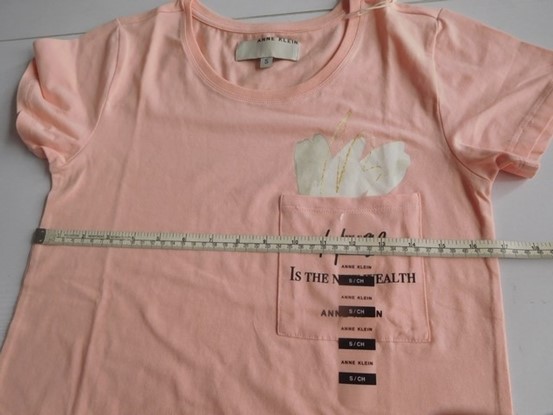
Different measurement methods can produce different results, even when the same garment is being checked. For example, measuring a shirt with the fabric stretched, folded, or positioned unevenly may affect the recorded chest or body dimensions.
A reliable specification sheet should clearly define where and how each measurement is taken. Include reference diagrams or annotated photographs for points that may be interpreted differently.
For flat measurements, specify whether the garment should be laid flat without stretching and whether the measurement is taken straight across or along a curved edge. For elastic waistbands and stretch fabrics, explain whether the measurement is taken relaxed or under a defined extension.
These instructions help factory staff and independent inspectors follow the same method. For additional guidance on individual measurement points, refer to established garment measurement methods and the relevant approved product specifications.
3. Set Realistic Tolerances for Each Measurement
A target measurement alone is insufficient. Every important dimension should have a defined acceptable tolerance, such as ±1 cm or another range appropriate to the garment and measurement point.
For example, if a garment’s specified chest width is 52 cm with a tolerance of ±1 cm, the acceptable range is 51–53 cm.
Tolerances should be established according to the garment’s design, fabric properties, construction, fit requirements, and manufacturing capabilities. Avoid applying one universal tolerance to every measurement point or garment category.
Critical dimensions affecting fit, comfort, or functionality may require tighter limits than secondary dimensions. Buyers should agree on these limits with the supplier before production rather than negotiating acceptance criteria after deviations have been discovered.
4. Specify the Measurement Sample Size
Measuring every garment may be unnecessary for routine production, but checking too few pieces can overlook sizing inconsistencies.
The measurement plan should identify how many garments to measure for each style and size, as well as which measurement points must be checked. For example, a buyer may require one piece per size per style during a standard inspection, while higher-risk orders may require more extensive measurements.
The sample quantity should reflect order size, production consistency, previous quality issues, and the consequences of incorrect sizing. An AQL-based inspection plan may be used for overall product inspection, but measurement acceptance criteria should be clearly defined separately where necessary.
When repeated deviations are found, expanding the sample or conducting a broader inspection can help determine whether the problem is isolated or affects the production batch.
5. Record Results and Identify Size Deviations
A measurement report should compare actual measurements against the approved target and tolerance for each checked garment.
A practical record includes the style number, size, measurement point, target dimension, actual result, deviation, and pass/fail status. Photographs can provide additional evidence when a measurement point or measuring method needs clarification.
For example, if a sleeve length is specified as 60 cm but the measured result is 62 cm against a ±1 cm tolerance, the garment falls outside the permitted range.
Clear records allow buyers to distinguish between individual defects and systematic sizing problems. They also help suppliers identify whether corrective action is needed in pattern making, cutting, sewing, or subsequent finishing processes.
6. Verify Corrective Actions Before Shipment
When measurements exceed the agreed tolerance, the factory should investigate the cause and determine the appropriate corrective action. Depending on the problem, this may involve adjusting patterns, correcting cutting dimensions, reviewing sewing operations, or sorting and reworking affected garments.
Buyers should request updated measurement results after corrective action and verify that the revised products meet the approved requirements.
During a garment quality inspection, measurements should be reviewed alongside workmanship, appearance, labeling, and packaging. Passing the measurement check alone does not establish that the entire order meets all quality requirements.
For significant or recurring sizing problems, a follow-up inspection or expanded measurement check may be necessary before shipment approval.
Conclusion
A reliable garment measurement specification sheet reduces misunderstandings and provides objective criteria for evaluating bulk production. Clear measurement points, realistic tolerances, defined sampling requirements, and documented results help buyers and factories maintain consistent sizing across styles and production batches.
NBNQC provides apparel inspection services across mainland China, including size measurement, workmanship checks, and verification against buyer-approved specifications. A well-defined measurement plan helps make apparel quality assurance more consistent and supports better-informed shipment decisions.