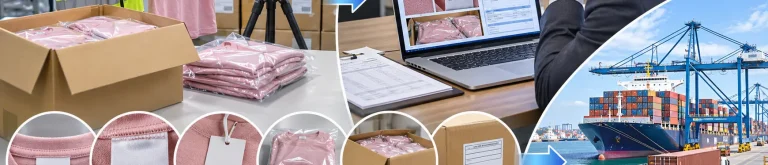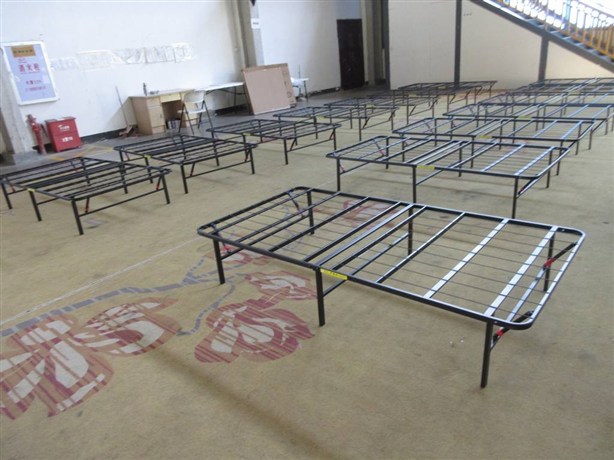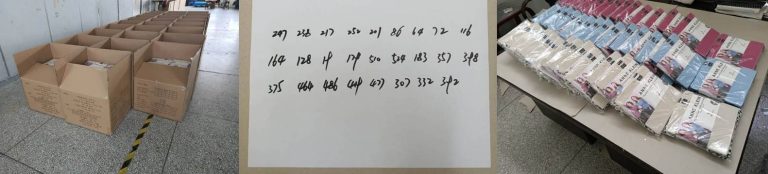
A clothing order containing 5,000 pieces may appear straightforward until the buyer discovers that it includes twelve styles, six sizes, and several colors. Although the total quantity is manageable, the number of product variations creates additional challenges for quality inspection.
A shipment may contain well-made garments but still fail to meet the purchase order because of incorrect size ratios, missing colors, mixed styles, or inconsistent measurements.
For fashion brands sourcing from China, effective garment quality control requires more than checking general workmanship. Inspectors must also verify whether the assortment matches what the buyer actually ordered.
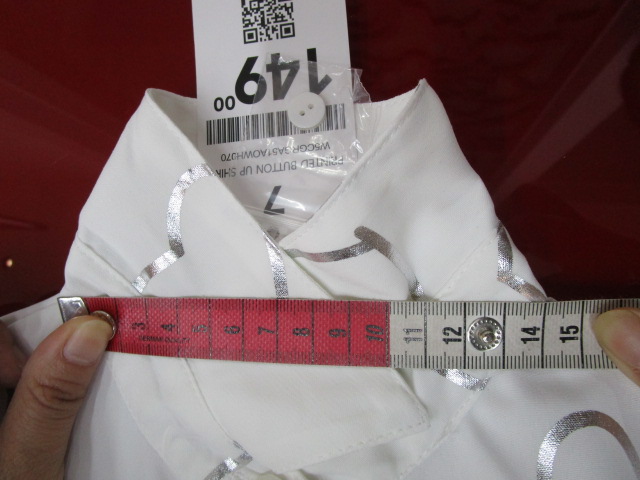
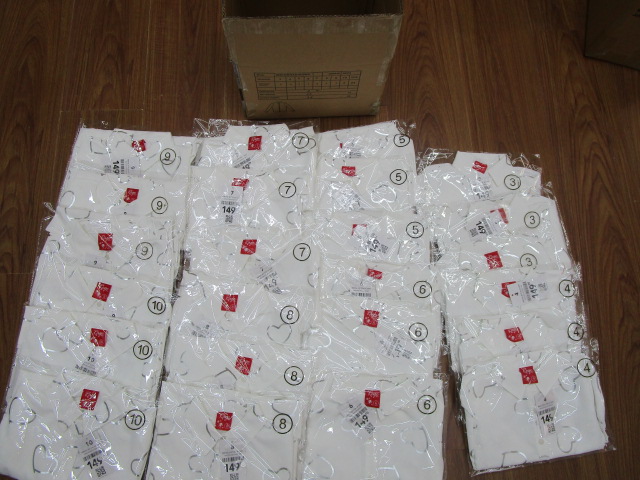
Why Multiple Styles Complicate Inspection
Consider an order containing three T-shirt styles, two hoodie designs, and four types of trousers. Each style may have different fabrics, measurements, trims, and construction requirements.
Even when all products come from the same factory, they cannot necessarily be evaluated using identical specifications.
A T-shirt may require checks for neckline shape, print placement, and body measurements, while trousers may need additional attention to waist construction, inseam length, and pocket positioning.
The challenge becomes greater when different styles are produced on separate lines or completed at different times.
Inspectors should therefore review the complete style breakdown before visiting the factory and identify the specific requirements for each product group.
Size Distribution Is as Important as Total Quantity
One common problem in apparel shipments is an incorrect size assortment.
For example, a buyer may order 1,000 jackets distributed across sizes S, M, L, and XL according to an agreed ratio. The factory might produce the correct total quantity but manufacture too many medium sizes and too few extra-large sizes.
From a quantity perspective, the order appears complete. Commercially, however, the shipment does not match the purchase order.
During garment inspection, inspectors should compare available quantities against the approved size breakdown and packing list.
They should also verify size labels against actual garment measurements where required.
This is particularly important for private-label clothing, where incorrect size identification can lead to customer returns even when the garments themselves are well constructed.
Color Variations Create Additional Risks
Color management becomes more difficult when one style is produced in several shades.
Factories may use fabric from different dye lots, and variations can occur between production batches.
A shipment may also contain garments packed under the wrong color code or mixed with similar-looking shades.
Inspectors should compare selected garments with approved color references under suitable lighting conditions and check consistency within the inspected batch.
When color differences are critical, buyers should define acceptable tolerances and provide suitable reference standards.
Visual comparison can identify obvious shade differences, but precise color evaluation may require controlled lighting or instrumental measurement.
Sampling Must Reflect the Order Structure
For multi-style apparel orders, selecting samples only from the largest product group can leave smaller styles insufficiently represented.
A practical pre-shipment inspection should consider the quantity and risk associated with each style, color, and size.
Sampling may follow ANSI/ASQ Z1.4, using an agreed inspection level and acceptance quality limits.
However, the buyer and inspection company must determine how the order will be divided into inspection lots.
Combining different styles into one sampling lot may be inappropriate when their materials, construction, or quality risks differ significantly.
For orders containing many styles and small quantities per style, additional inspection time may be necessary to provide meaningful coverage.
Buyers should confirm the sampling approach before inspection rather than assuming that one standard sample size adequately represents every variation.
Preventing Mixed Sizes and Incorrect Packing
Packaging errors are especially common when factories handle multiple styles and size combinations.
A carton labeled as containing 20 medium-sized shirts may include several large-sized units. Similarly, garments from different styles may be packed together accidentally.
These problems may remain unnoticed until the shipment reaches a distribution warehouse.
Inspectors should verify carton assortments against the packing list, including:
- Style numbers and product descriptions
- Color codes and size labels
- Quantity per polybag or carton
- Barcode and SKU consistency
- Carton markings and shipping labels
Where buyers require specific retail assortments, selected cartons should be checked against the approved packing instructions.
Correct packaging is essential for efficient inventory management, particularly for online retailers and fulfillment operations.
How Buyers Can Prepare a Better Inspection Plan
The most useful document for a multi-style garment order is a clear, consolidated product breakdown.
Before inspection, buyers should provide the purchase order, style list, size specifications, color references, approved samples, and packing instructions.
Each style should have a unique identification code, and the latest approved specifications should be clearly identified.
For complex orders, buyers may also request that inspection results be organized by style rather than presented only as one combined summary.
This makes it easier to identify whether problems are concentrated in particular products or production batches.
If a defect affects only one style, the buyer can assess the relevant quantity without automatically treating every garment in the shipment as equally affected.
Independent Inspection Support from NBNQC
NBNQC provides third-party garment inspection services across mainland China for international clothing brands, retailers, and importers.
Our inspectors evaluate workmanship, measurements, labeling, packaging, and order conformity according to agreed specifications and inspection criteria.
For orders involving multiple styles, colors, and sizes, inspection arrangements can be adapted to the product breakdown and required coverage.
Clear reporting helps buyers identify discrepancies, communicate corrective actions to suppliers, and make informed shipment decisions.
In garment sourcing, a successful inspection is not only about finding defective clothing. It is also about confirming that the right products, sizes, colors, and quantities are ready for delivery.