Furniture products are often bulky, heavy, and vulnerable to scratches, impact, moisture, and deformation during international transportation. Even when furniture is manufactured to an acceptable standard, inadequate packaging can result in damaged surfaces, broken components, missing hardware, and costly customer complaints after delivery.
For importers sourcing furniture from China, packaging should be treated as an important part of the overall product quality requirements rather than simply the final step of production.
A systematic furniture packaging inspection helps buyers verify whether products are adequately protected, correctly packed, and prepared for export transportation. Identifying packaging weaknesses before shipment can reduce damage risks and avoid unnecessary replacement, return, and logistics costs.

1. Verify Packaging Materials and Protection
The first step is to confirm whether the packaging materials match the buyer’s specifications and provide sufficient protection for the furniture.
Common packaging materials include corrugated cardboard cartons, foam sheets, EPE pearl cotton, bubble wrap, plastic bags, protective films, and molded cushioning materials.
Inspectors should check:
- Whether carton specifications and material thickness meet the agreed requirements.
- Whether foam and cushioning materials provide adequate protection against impact.
- Whether protective films are applied to easily scratched surfaces.
- Whether corners, edges, and protruding components have additional protection.
- Whether moisture-resistant materials are used when required.
For wooden furniture, glass panels, metal frames, and upholstered products, packaging methods should be adapted to the product’s structure and transportation risks.
2. Check Furniture Assembly and Component Protection
Many furniture products are shipped in disassembled or partially assembled conditions to reduce transportation volume. In these cases, protecting individual components and ensuring package completeness are particularly important.
Inspectors should verify:
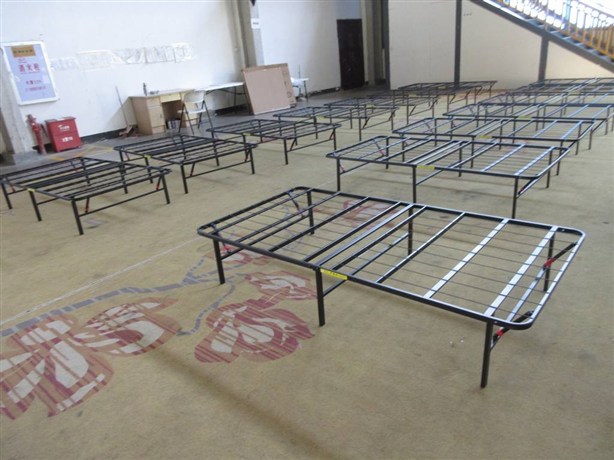
- Wooden panels, legs, frames, and other components are properly separated and protected.
- Glass and mirror components have suitable cushioning and edge protection.
- Metal parts are protected against scratches and corrosion.
- Upholstered surfaces are covered to prevent stains, dust, and abrasion.
- Small components are securely packed to prevent movement or loss.
Particular attention should be paid to components with sharp edges, delicate finishes, or irregular shapes. Poor positioning inside the carton may allow parts to collide during transportation, resulting in damage even when sufficient cushioning materials are provided.
3. Verify Hardware and Accessories
Missing hardware is a common source of customer complaints, especially for flat-packed furniture that requires assembly after delivery.
Each package should contain the correct accessories according to the approved packing list and assembly instructions.
Typical items include:
- Screws, bolts, nuts, and connecting fittings.
- Hinges, handles, drawer slides, and brackets.
- Assembly tools and installation accessories.
- Furniture legs, wheels, and support components.
- Assembly instructions and product manuals.
Inspectors should verify the quantity and specifications of these accessories. Small components should be packed in sealed bags or separate compartments to prevent loss during handling and transportation.
For products containing multiple cartons, buyers should also confirm that the corresponding carton identification and component allocation are correct.
4. Inspect Carton Strength and Packaging Structure
Export cartons must withstand normal handling, stacking, and transportation conditions. Weak cartons may become crushed, torn, or deformed when stacked in warehouses or shipping containers.
Important inspection points include:
- Carton dimensions and material specifications.
- Corrugated board condition and visible damage.
- Carton sealing methods and adhesive tape quality.
- Internal partitions and cushioning arrangements.
- Reinforcement at corners and vulnerable areas.
- Carton compression resistance, where specified.
For heavy or fragile furniture, buyers may require additional packaging tests. A carton drop test can help evaluate whether the packaging provides adequate protection under a defined impact procedure.
The test method, drop height, impact surfaces, and acceptance criteria should be agreed upon in advance. A successful test under one procedure does not automatically guarantee protection against every transportation condition.
5. Check Moisture and Environmental Protection
Moisture exposure during storage and transportation can damage wooden furniture, metal components, upholstery, and packaging materials.
Depending on the product and shipping conditions, buyers may specify:
- Moisture-resistant plastic wrapping or protective bags.
- Desiccants inside cartons where appropriate.
- Sealed packaging to reduce exposure to humidity.
- Moisture checks for wooden materials before packing.
- Protective coatings or corrosion-resistant materials for metal components.
For solid wood and engineered wood products, excessive moisture can contribute to swelling, deformation, or surface deterioration. Moisture requirements should therefore be defined according to the material specifications and intended application.
6. Verify Labels, Carton Information, and Packing Details
Incorrect carton markings or incomplete packaging information can cause problems during warehouse handling, distribution, and final delivery.
Inspectors should compare carton markings against the buyer’s approved requirements and shipping documents.
Typical checks include:
- Product name, model number, and SKU.
- Carton number and total carton quantity.
- Gross weight and net weight, where required.
- Carton dimensions and product quantity.
- Barcode and shipping labels.
- Country of origin and handling instructions.
For mixed furniture orders, the product model, color, and component information should be clearly identified to avoid confusion during receiving and assembly.
7. Conduct Final Packaging Inspection Before Shipment
A final packaging inspection should confirm that the finished products are correctly protected and ready for transportation.
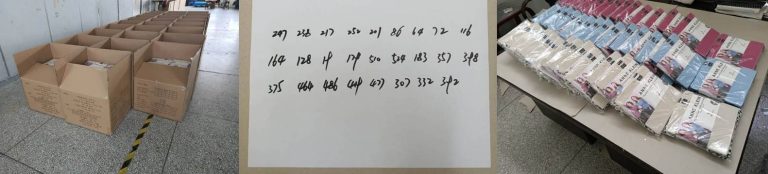
Inspectors should randomly select packed cartons and check the packaging condition, internal protection, accessory completeness, and carton markings. Where necessary, selected packages can be opened to verify the actual packing arrangement.
For higher-risk products, buyers may request additional checks, including carton drop tests, compression tests, or moisture assessments, based on the agreed testing requirements.
Packaging defects should be documented with photographs and clear descriptions. If inadequate protection or incorrect packing is identified, the supplier should correct the affected cartons before shipment.
Conclusion
Furniture packaging plays an important role in protecting product quality throughout international transportation. Suitable cushioning materials, secure component packing, correct accessories, strong cartons, and accurate shipping labels all contribute to safer deliveries.
For importers sourcing furniture from China, arranging an independent inspection before shipment helps verify that products and packaging meet the agreed requirements. NBNQC provides furniture inspection services across mainland China, helping buyers identify packaging problems and reduce avoidable shipping risks before goods leave the factory.