When a production batch contains quality problems, identifying a few defective samples may not be enough. Buyers may need to know exactly which products are acceptable and which require repair, replacement, or rejection before shipment.
100% Inspection, also known as full inspection, provides a practical solution by examining every unit within the agreed inspection scope. Its primary purpose is not simply to assess overall batch quality, but to identify and separate defective products individually.
For importers dealing with recurring workmanship problems, strict retail requirements, or previous shipment complaints, this approach can provide greater control over the goods being delivered.

From Quality Evaluation to Defect Sorting
A standard sampling inspection evaluates a production lot using selected samples and agreed acceptance criteria. Full Inspection takes a different approach.
Instead of drawing conclusions from a sample, inspectors examine each available product against specified checkpoints.
Consider an order of 3,000 handbags. A previous inspection reveals repeated stitching defects, damaged hardware, and inconsistent finishing.
Rather than rejecting the entire order immediately, the buyer may arrange a Full Inspection to identify affected units and separate acceptable products from those requiring corrective action.
This distinction is important. The inspection helps determine which individual products meet the defined requirements, rather than merely reporting the overall condition of the batch.
Establishing Clear Inspection Criteria
Effective defect sorting begins with precise acceptance requirements.
Before inspection, buyers should provide approved samples, product specifications, workmanship standards, and clear defect classifications.
Typical checkpoints may include appearance, dimensions, assembly, accessories, labeling, and basic functionality.
However, not every test can be performed on every product. Destructive testing, lengthy durability tests, and specialized laboratory analysis may require separate sampling arrangements.
For full inspection, defining the inspection scope in advance helps ensure that inspectors and manufacturers understand which characteristics must be checked on every unit.
How Defective Products Are Identified and Separated
A structured Full Inspection normally involves examining products individually and recording their inspection status.
Acceptable units are separated from products containing identified defects. Defective units may be classified according to the agreed severity criteria.
Critical defects generally involve serious safety or regulatory concerns. Major defects may affect functionality, usability, or customer acceptance, while minor defects typically involve less significant deviations.
These classifications must reflect the product, buyer requirements, and applicable specifications.
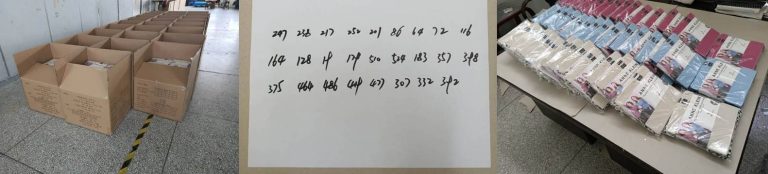
Physical separation is equally important. If acceptable and defective products are mixed after inspection, the benefits of individual checking may be lost.
Factories should maintain clearly identified areas or containers for accepted, rejected, and pending-rework products.
Inspectors can document quantities and segregation status, while the manufacturer remains responsible for handling and controlling the goods.
Why Defect Records Matter
A Full Inspection report should provide more than the total number of defective products.
Useful records include defect descriptions, photographs, affected quantities, inspection results, and the number of acceptable units.
For example, an inspection of 2,000 products might identify 120 units requiring corrective action.
The report should explain whether those units have similar problems or several different defect types.
Repeated defects may indicate manufacturing issues that deserve further investigation.
Independent third-party inspection services can provide objective findings that help buyers evaluate these problems and communicate corrective action requirements to suppliers.
Managing Rework and Re-Inspection
After defective products have been identified, the supplier may propose repairing, replacing, or reworking the affected units.
However, completing rework does not automatically make those products acceptable.
Reworked products should be checked again against the relevant requirements before they are returned to the accepted quantity.
For example, replacing defective zippers on garments may resolve the original problem, but the repair process could introduce new stitching or appearance defects.
A targeted re-inspection can help verify the corrected characteristics and identify additional problems associated with rework.
Buyers should also establish whether repaired products are commercially acceptable or whether replacement is required.
What 100% Inspection Cannot Guarantee
Although every unit is examined, Full Inspection does not guarantee that all possible defects will be detected.
Inspection effectiveness depends on product complexity, available testing methods, defect visibility, inspection conditions, and human judgment.
A visual examination cannot reliably identify hidden material defects, long-term durability problems, or every potential safety risk.
Likewise, checking every product does not automatically establish compliance with all applicable regulations.
Buyers should therefore combine Full Inspection with appropriate laboratory testing, process controls, or specialized evaluations when necessary.
For businesses managing quality control in China, understanding these limitations helps establish realistic inspection expectations.
Turning Inspection Results Into Shipment Decisions
The final value of Full Inspection lies in what happens after the products have been checked.
Buyers can use the inspection findings to confirm acceptable quantities, request corrective action, arrange replacement production, or delay shipment until outstanding problems are resolved.
Before dispatch, accepted products should remain clearly identified and protected from accidental mixing with rejected goods.
When properly planned, Full Inspection provides a structured way to manage defective products and improve shipment control.
NBNQC provides independent Full Inspection services across mainland China, helping international buyers identify quality problems, document defective quantities, and verify products against agreed inspection requirements.