A pair of shoes may look perfectly acceptable when removed from its packaging, yet still contain manufacturing problems that affect comfort, durability, or safety. Weak bonding, internal stitching defects, inconsistent sizing, and poorly assembled components are not always visible during a quick examination.
For footwear importers, an effective inspection must go beyond surface appearance. Independent footwear inspection in China helps buyers identify potential quality problems before finished products are shipped.
Why Visual Appearance Is Not Enough
Footwear combines multiple materials and manufacturing processes, including cutting, stitching, lasting, bonding, molding, and finishing.
A defect introduced during one process may remain hidden until the shoe is worn or subjected to repeated movement.
For example, a sneaker may have clean stitching and an attractive upper but still contain poorly bonded sections between the outsole and upper.
Similarly, a formal shoe may appear symmetrical from the outside while having an uneven internal structure that affects comfort.
Inspectors should therefore examine construction, dimensions, and basic functionality alongside visual workmanship.
Detecting Weak Sole Bonding
Poor bonding between the outsole and upper is a common concern in footwear manufacturing.
The problem may result from inadequate surface preparation, incorrect adhesive application, insufficient bonding pressure, or unsuitable processing conditions.
During inspection, visible warning signs include gaps along the bonding line, uneven adhesive distribution, and partial separation around the toe or heel.
Inspectors may perform an agreed manual flexing or bonding check to identify obvious weaknesses.
However, manual checks cannot reliably determine long-term adhesive performance. Where quantitative bonding strength is required, appropriate laboratory testing should be arranged.
Checking Internal Construction and Comfort
Some quality problems become apparent only when the inside of the shoe is examined.
Inspectors should check the lining, insole, tongue, heel counter, and internal stitching for irregularities that may affect wearability.
Potential problems include:
- Exposed stitching or rough internal seams.
- Wrinkled or incorrectly positioned insoles.
- Hard adhesive deposits inside the shoe.
- Loose internal components.
- Sharp objects or foreign materials.
- Uneven padding around the heel or collar.
A basic hand examination can identify some internal irregularities, but it cannot replace a structured wear test or specialized comfort assessment.
Safety-related findings, particularly sharp objects inside footwear, should be reported immediately.
Comparing Left and Right Shoes
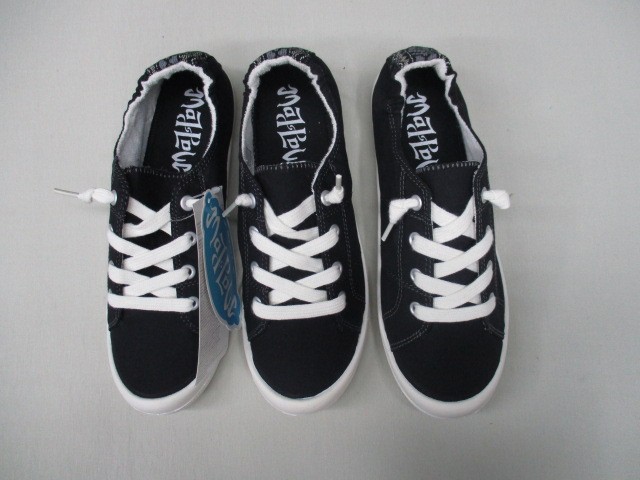
A shoe pair should be consistent in construction, size, shape, and appearance.
Inspectors compare both shoes for differences in toe shape, heel height, outsole alignment, upper construction, and component positioning.
Minor variations may occur during manufacturing, but significant asymmetry can affect appearance, fit, or stability.
For example, uneven heel positioning may cause discomfort or affect the way a shoe contacts the ground.
Measurement checks should follow the buyer’s approved specifications and tolerances rather than relying only on visual judgment.
Verifying Fasteners and Heel Stability
Zippers, buckles, hook-and-loop fasteners, eyelets, and decorative attachments should function correctly and remain securely installed.
Inspectors can operate fasteners, examine attachment points, and identify visible weaknesses.
For high-heeled footwear, heel attachment and alignment require particular attention.
Loose heels, unstable construction, or exposed metal components may create safety concerns.
The severity of these findings depends on the actual risk and the buyer’s approved defect classification criteria.
Where mechanical strength requirements apply, laboratory testing may be necessary to confirm compliance.
Recognizing Material Problems Before Shipment
Material-related defects are not always immediately obvious.
Synthetic leather may show early signs of peeling, coatings may crack during flexing, and certain outsole materials may exhibit unusual stiffness or deformation.
Inspectors should compare production samples with approved references and check for inconsistent thickness, surface texture, color, and flexibility.
For buyers managing shoe quality control, approved material specifications and reference samples are essential.
Chemical compliance cannot be confirmed through appearance or odor alone. Requirements involving restricted substances, such as those applicable in certain destination markets, require appropriate documentation or laboratory analysis.
Using Practical Tests Without Overstating Results
On-site footwear checks may include basic flexing, fastening operation, dimensional measurement, symmetry comparison, barcode verification, and visual bonding examination.
These checks are useful for identifying observable defects under factory inspection conditions.
However, specialized performance tests, including abrasion resistance, slip resistance, flex endurance, and quantitative bond-strength testing, generally require controlled methods and suitable equipment.
Inspectors should clearly distinguish between on-site observations and laboratory-confirmed results.
Buyers can also consult NBNQC’s footwear defect reference guide for photographic examples of common workmanship problems.
Making Better Shipment Decisions
Hidden quality problems can affect entire production batches, particularly when they originate from incorrect materials, assembly methods, or uncontrolled manufacturing processes.
When repeated defects are identified, buyers should review the inspection evidence and request appropriate corrective actions from the supplier.
A pre-shipment inspection can identify problems in sampled finished products, but it cannot guarantee that every pair in the shipment is defect-free.
NBNQC provides independent footwear inspection services across mainland China, helping buyers verify workmanship, construction, measurements, and product conformity before shipment.
Effective footwear inspection combines careful observation, appropriate practical checks, and clear reporting to support informed shipment decisions.