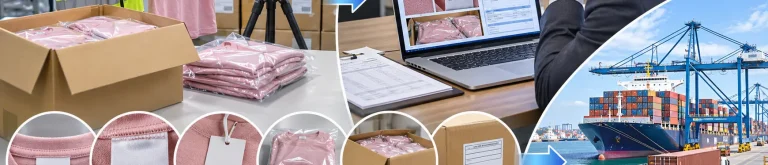
A pre-shipment inspection has failed. The supplier insists that the problems are minor and promises to repair the defective products. Meanwhile, the buyer faces a shipping deadline and must decide what happens next.
Should the factory rework the goods and request another inspection? Is random sampling sufficient, or should every unit be checked?
The right response depends on the nature of the defects, their frequency, and the risk of allowing unacceptable products into the shipment.
Start with the Actual Inspection Findings
An inspection failure does not necessarily mean that the entire production batch is defective.
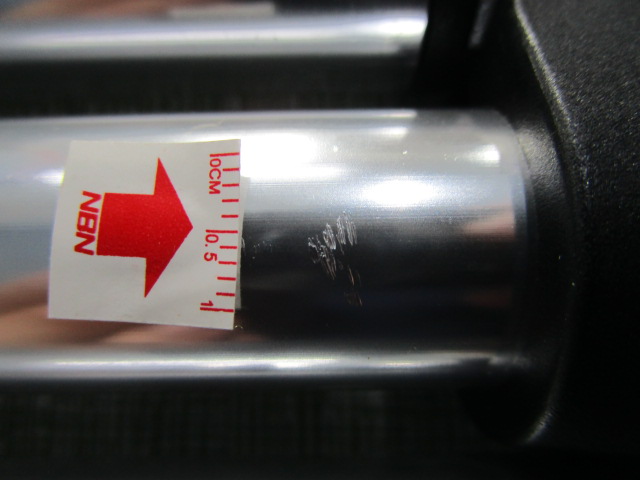
For example, an inspector examining 200 randomly selected products may discover excessive stitching defects, incorrect labels, or damaged components.
The inspection result indicates that the sampled lot did not meet the agreed acceptance criteria. It does not establish the exact number of defective units in the entire shipment.
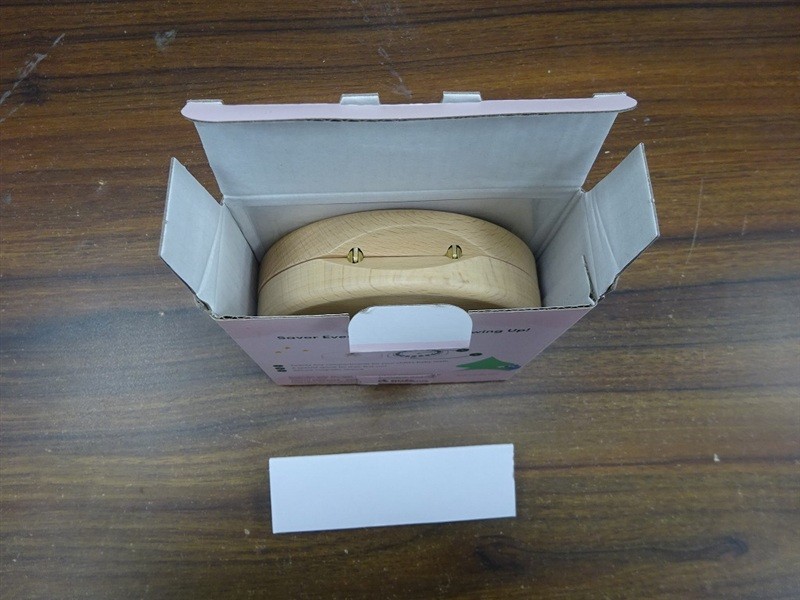
Before deciding on corrective action, buyers should review the defect photographs, classifications, quantities, and affected product models.
This information helps determine whether the problem is isolated, systematic, or potentially widespread.
When Rework Followed by Reinspection Is Appropriate
Reinspection is often a practical option when the supplier can identify and correct the problems found during the original inspection.
Suppose a factory produces 3,000 backpacks, and the inspection identifies excessive loose threads and incorrectly attached labels.
The factory may be able to trim the threads, replace the labels, and review the remaining production for similar defects.
After corrective action, an independent pre-shipment inspection can assess whether the reworked batch meets the agreed requirements.
However, simply repairing the defective samples is not sufficient. The supplier should examine the affected production and take reasonable steps to identify other units with similar problems.
Buyers should request confirmation that corrective action has been completed before scheduling another inspection.
When 100% Sorting Is the Better Choice
Some defects are difficult to control through limited corrective action because they may occur unpredictably across the production batch.
For example, a shipment of premium decorative products may contain scattered scratches, uneven finishes, and visible surface damage.
If the buyer cannot accept these defects, another sampling inspection may not provide sufficient confidence that unacceptable individual units have been removed.
In such cases, full inspection may be a more suitable solution.
Every unit within the agreed scope is checked against defined criteria, and identified defective products can be separated for repair, replacement, or rejection.
Full inspection generally requires more time and manpower, but it may reduce the risk of defective products reaching customers.
It is important to remember that 100% inspection does not guarantee zero defects. Inspection effectiveness depends on the product, testing methods, defect visibility, and agreed inspection scope.
When Reinspection Alone May Not Solve the Problem
Repeated inspection failures can indicate weaknesses in the manufacturing process rather than isolated workmanship errors.
Consider an order of electrical appliances where several units fail a basic functional test.
If the factory repairs only the failed samples without investigating the cause, similar problems may remain in other products.
The supplier may need to review assembly procedures, components, production equipment, or internal quality controls.
For recurring problems, buyers should request corrective action evidence before arranging another inspection.
Depending on the risk, additional production-stage checks or specialized testing may also be necessary.
Safety-related defects require particular attention. Routine visual inspection or basic functional checks cannot replace appropriate safety testing or regulatory compliance verification.
Should Buyers Use the Same AQL Sampling Plan Again?
After corrective action, buyers sometimes ask whether the original AQL sampling plan can be used for reinspection.
In many situations, an agreed sampling plan based on ANSI/ASQ Z1.4 may still be appropriate.
However, the reinspection should use newly selected samples from the corrected and clearly identified lot, rather than simply checking the products that failed previously.
The sampling method, inspection level, and acceptance criteria should be agreed before the visit.
If the original failure involved a particularly serious or recurring defect, the buyer may require additional targeted checks beyond the normal sampling procedure.
A passing reinspection provides evidence that the newly sampled lot meets the agreed acceptance criteria. It does not prove that every individual product is defect-free.
Consider the Cost of Delays and Defective Shipments
The cheapest corrective action is not always the most economical option.
A second sampling inspection may cost less than full inspection, but repeated failures can increase inspection expenses and delay shipment.
Conversely, inspecting every unit may be unnecessary when the defect is clearly understood and the supplier has completed effective corrective action.
Buyers should compare the cost of additional inspection with potential returns, replacement shipments, customer complaints, and delivery penalties.
For importers arranging quality control in China, inspection decisions should reflect the actual commercial risk rather than automatically selecting the lowest-cost option.
How NBNQC Supports Buyers After Failed Inspections
NBNQC provides independent product inspection services across mainland China, including pre-shipment inspection, reinspection, and full inspection.
Our inspectors document identified defects, quantities, photographs, and relevant test findings according to agreed inspection requirements.
When a shipment fails inspection, buyers can use these findings to communicate corrective actions to suppliers and determine whether another sampling inspection or more extensive checking is necessary.
The factory remains responsible for correcting manufacturing problems, while independent inspection helps buyers evaluate the results before shipment.
A failed inspection should lead to a clear corrective action decision—not simply another inspection without understanding what went wrong.