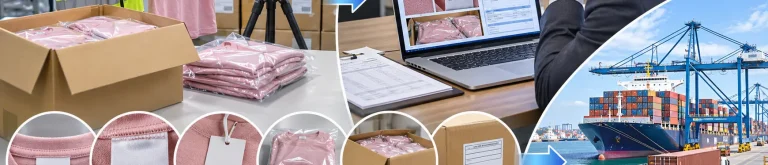
A successful Pre-Shipment Inspection (PSI) depends not only on the inspector’s work but also on the factory’s preparation. If products are incomplete, cartons are inaccessible, or approved specifications are unavailable, the inspection may be delayed or fail to cover the full order as planned.
For manufacturers supplying overseas buyers, preparing properly helps avoid unnecessary delays, repeat visits, and last-minute shipment problems. The following checklist explains what factories should arrange before an independent inspector arrives.
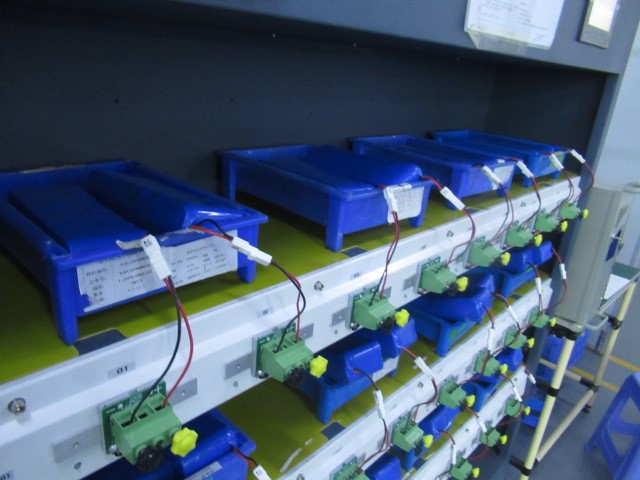
1. Complete Production Before the Inspection
The factory should ensure that the order is substantially completed before the scheduled inspection. As a general rule, at least 80% of the order should be finished, with sufficient finished goods available for inspection.
The factory should also confirm that the remaining production can be completed within the agreed schedule. If a significant quantity is still being manufactured, the inspection may not accurately represent the entire order.
Before confirming the inspection date, the production team should verify the actual finished quantity, the number of styles or models completed, and the expected packing progress. If the order is not ready, inform the buyer or inspection coordinator as early as possible rather than waiting until the inspection day.
2. Arrange Finished Goods for Random Sampling
For a standard PSI based on random sampling, finished products should be accessible and identifiable. The inspector needs to select samples from the available batch rather than examine only a few units chosen by factory staff.
Where possible, organize the goods by style, model, color, size, or other relevant product variations. Ensure that cartons can be opened and products retrieved safely.
The factory should not prepare only specially selected samples for inspection. Samples need to represent the actual production batch so that the results provide a meaningful assessment of shipment quality.
If some goods are stored in a separate warehouse or at another location, inform the inspection coordinator in advance. All relevant products should be accessible during the scheduled visit.
3. Prepare Approved Samples and Inspection Documents
The factory should make the latest approved sample and relevant technical documents available to the inspector. These references help establish whether the finished goods match the buyer’s requirements.
Useful documents may include:
- Purchase orders and product specifications.
- Approved samples, drawings, or measurement charts.
- Product artwork, labels, and packaging instructions.
- Inspection checklists and acceptance criteria.
- Packing lists and carton details.
- Records of previously identified defects and corrective actions.
If the buyer has provided special requirements, such as measurement points, functional tests, barcode verification, or packaging checks, the factory should ensure that the relevant information is available on-site.
Using outdated specifications or an incorrect reference sample can lead to misunderstandings and unnecessary disputes.
4. Check Product Quality Before the Inspector Arrives
The factory should conduct its own final quality checks before the scheduled PSI. This internal review should cover workmanship, appearance, dimensions, functionality, accessories, labels, and packaging, according to the product requirements.
For example, garment manufacturers should check stitching, measurements, color consistency, loose threads, labels, and size assortments. Electronics manufacturers may need to verify basic functions, accessories, model numbers, and safety-related markings.
Defective products should be identified and segregated rather than mixed with acceptable goods. If the factory discovers recurring problems, it should investigate the cause and complete corrective actions before the inspection whenever possible.
Internal checks do not replace independent inspection, but they can reduce avoidable failures and improve production consistency.
5. Verify Packaging, Labels, and Shipping Marks
Packaging problems can delay shipment even when the products themselves are acceptable. Before the inspection, check that the correct packaging materials, labels, barcodes, and shipping marks are available.
Confirm that product quantities per carton match the packing instructions and that carton markings correspond to the correct models, colors, sizes, and destinations.
If the buyer requires a fully packed carton for inspection, prepare it in advance. However, keep other cartons accessible if the inspector needs to select samples or examine packaging materials.
The factory should also make packing equipment and replacement materials available when packaging discrepancies need to be investigated.
6. Arrange Staff and Testing Equipment
Assign a responsible contact person who can communicate with the inspector and help locate products, documents, and relevant production records.
Depending on the product and inspection scope, the factory may need to provide basic equipment such as measuring tapes, scales, power supplies, or suitable testing tools. Any specialized testing requirements should be discussed before the inspection date.
Factory staff should cooperate with the inspection process without influencing sample selection or asking the inspector to overlook defects. An independent assessment is most useful when the results reflect the actual condition of the goods.
7. Confirm Readiness and Allow Time for Corrections
Before the visit, the factory should reconfirm the inspection date, address, contact person, finished quantity, and packing status. Any change that could affect the inspection should be communicated promptly.
Buyers should also allow sufficient time between inspection and shipment to address potential problems. If defects exceed the agreed acceptance criteria, corrective action, sorting, repacking, or re-inspection may be necessary.
A clear pre-shipment quality checklist helps both the factory and buyer confirm that the essential requirements have been addressed before the inspection begins.
Conclusion
Proper factory preparation makes Pre-Shipment Inspection more efficient and reduces the risk of delays caused by incomplete production, inaccessible goods, missing documents, or inadequate internal checks.
By completing production, organizing representative samples, preparing approved references, verifying packaging, and assigning responsible staff, factories can support a smoother inspection process and a more reliable shipment schedule.
For buyers, working with an independent inspection provider and communicating requirements early helps ensure that the inspection focuses on the actual order specifications and agreed acceptance criteria.