Choosing a new supplier in China involves more than comparing prices, reviewing product samples, or negotiating delivery dates. Buyers also need to determine whether the supplier has the facilities, personnel, production capacity, and quality management procedures required to fulfill an order reliably. A factory audit provides an opportunity to verify these factors before making a significant purchasing commitment.
For importers working with unfamiliar manufacturers, a structured audit can reveal operational weaknesses that may not be apparent during online discussions or sample evaluations. The following checklist explains what buyers should prioritize when assessing a potential supplier.
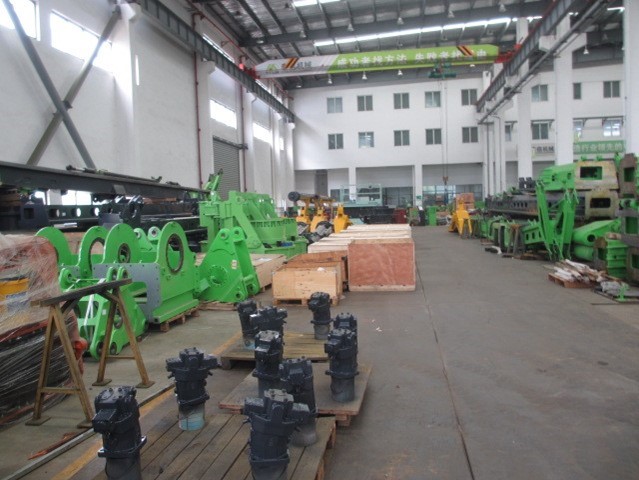
1. Verify the Factory’s Identity and Business Information
Start by confirming the supplier’s legal identity, registered business information, and actual operating location. Compare the available business documents with the information provided during initial negotiations.
It is also important to understand whether you are dealing directly with a manufacturer or through a trading company. A trading company may offer legitimate sourcing services, but buyers should understand which factory will produce the goods and who will be responsible for quality control.
During the visit, compare the supplier’s stated business activities with the actual operations observed on-site. Significant discrepancies should be clarified before an order is placed.
2. Evaluate Production Facilities and Capacity
A supplier may promise a large production volume without having sufficient equipment, skilled workers, or available production space to meet the deadline.
An audit should examine the factory’s machinery, production lines, workforce, manufacturing processes, and current workload. Auditors should also consider whether the equipment is suitable for the products being ordered and whether maintenance is performed appropriately.
Ask the supplier to explain its normal production capacity, current commitments, and arrangements for handling peak demand. Capacity figures should be evaluated against the available resources and actual production conditions rather than accepted solely on the basis of management statements.
If production is subcontracted, identify which processes are outsourced and how the supplier controls the quality of work performed by other facilities.
3. Examine the Quality Management System
Production capability alone does not guarantee consistent product quality. Buyers should determine whether the factory has established procedures for controlling quality from incoming materials through finished goods.
Key areas to review include:
- Incoming material inspection and supplier evaluation.
- In-process quality checks and production monitoring.
- Final inspection procedures and acceptance criteria.
- Handling of defective products and nonconforming materials.
- Corrective actions and customer complaint management.
- Inspection records, work instructions, and employee training.
Auditors should verify whether documented procedures are actually followed on the production floor. For example, a factory may have inspection forms but lack completed records demonstrating that the required checks are performed consistently.
A reliable supplier quality management system should define responsibilities, document inspection results, and provide a clear process for correcting recurring problems.
4. Check Material Control and Warehouse Management
Poor warehouse management can lead to material mix-ups, contamination, incorrect components, and shipment errors.
During the audit, examine how raw materials, work-in-progress, approved products, and defective goods are identified and stored. Check whether materials are traceable to their suppliers or batches where traceability is required.
Pay attention to the segregation of nonconforming products. Defective or unapproved items should be clearly identified and controlled to prevent accidental use or shipment.
Storage conditions should also be appropriate for the products concerned. Moisture-sensitive materials, chemicals, electrical components, and finished consumer goods may require different handling and storage arrangements.
5. Review Workforce and Workplace Conditions
Employees play a direct role in manufacturing consistency and production efficiency. Assess whether the factory has sufficient personnel with appropriate skills and whether workers receive relevant training.
Depending on the audit scope, buyers may also review working hours, wage records, workplace safety measures, emergency exits, fire protection, and other applicable labor and environmental requirements.
These checks help identify operational and compliance risks that could affect production continuity or the buyer’s supplier requirements. Where specific social compliance standards apply, the audit scope should explicitly cover the relevant criteria.
6. Verify Documents and Production Records
Documents should support the conditions observed during the factory visit. Relevant records may include business licenses, equipment maintenance logs, material inspection reports, production records, employee training records, and quality certificates.
Certificates should be checked for validity, scope, and relevance to the actual factory or product. A certificate alone does not establish that every process is controlled effectively.
Buyers should also clarify whether the supplier maintains sufficient records to trace production batches and investigate quality problems when they occur.
7. Turn Audit Findings into a Supplier Approval Decision
A factory audit should produce more than a list of observations. Findings should be evaluated according to their severity, business impact, and required corrective action.
Critical concerns, such as misleading factory information, inadequate production capability, or serious safety and compliance issues, may justify postponing supplier approval. Less serious deficiencies may be addressed through an agreed improvement plan with clear responsibilities and deadlines.
Before placing the first order, buyers should confirm that major issues have been resolved or that appropriate risk controls are in place. High-risk suppliers may require a follow-up audit or additional verification before approval.
Factory audits should also complement, rather than replace, product quality checks. An audit evaluates the supplier’s systems and capabilities, while pre-shipment inspection verifies the actual goods against the agreed requirements before shipment.
For buyers establishing a new sourcing relationship, combining a structured factory assessment with effective third-party quality assurance provides a more complete view of supplier risks.
Conclusion
A factory audit helps buyers make informed decisions by examining business information, production capacity, quality management, material control, workplace conditions, and supporting records. The objective is not simply to find problems, but to determine whether a supplier can meet the buyer’s requirements consistently and manage foreseeable risks.
By evaluating evidence, documenting findings, and following up on corrective actions, importers can establish a stronger foundation for supplier approval and long-term cooperation.