When importing garments from overseas manufacturers, buyers need a consistent method to evaluate product quality before shipment. Random sampling inspection provides a practical way to assess finished production without examining every garment individually.
Standards such as DIN 40080, ISO 2859-1, and ANSI/ASQ Z1.4 have historically been referenced in product inspection procedures. However, understanding their differences and current applicability is important for accurate quality assessment.
For apparel importers arranging quality control in China, modern AQL sampling plans provide a structured basis for evaluating workmanship defects and making shipment decisions.
What Is DIN 40080?
DIN 40080 was a German standard covering sampling procedures and tables for inspection by attributes.
Published in 1979, it provided statistical methods for selecting samples from production lots and determining acceptance or rejection based on inspection results.
The standard was historically referenced alongside other acceptance sampling standards, including ISO 2859 and ANSI/ASQ Z1.4.
However, DIN 40080 has been withdrawn and replaced by DIN ISO 2859-1 standards.
For current inspection programs, buyers should specify an applicable edition of ISO 2859-1 or ANSI/ASQ Z1.4 rather than relying on the withdrawn DIN 40080 standard.
How AQL Sampling Works in Apparel Inspection
Acceptance Quality Limit (AQL) sampling is widely used to evaluate garment production batches.
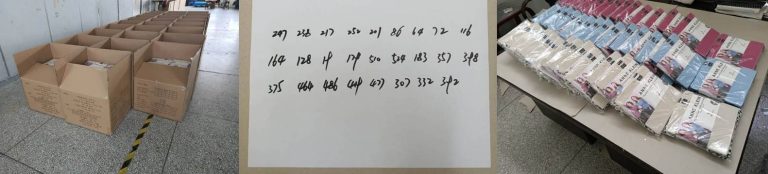
Instead of checking every finished garment, inspectors randomly select a defined number of units according to the lot size, inspection level, and selected sampling plan.
The process generally involves:
- Determining the inspection lot size.
- Selecting the inspection level.
- Identifying the sample size code letter.
- Determining the required sample size.
- Inspecting garments and classifying defects.
- Comparing defective-unit counts with the applicable acceptance and rejection numbers.
This structured approach helps buyers assess whether the inspected lot meets agreed quality acceptance criteria.
Choosing the Appropriate Inspection Level
ISO 2859-1 and ANSI/ASQ Z1.4 include different inspection levels that influence sample sizes.
General Inspection Level II is commonly selected for routine apparel inspections because it provides a practical balance between inspection coverage and cost.
Level I generally requires fewer samples, while Level III normally requires more extensive sampling.
Special inspection levels may be used for selected checks where smaller sample sizes are appropriate.
The inspection level should reflect product risk, supplier performance, and buyer requirements.
Understanding Critical, Major, and Minor Defects
During garment quality inspection, defects are classified according to their severity.
Critical Defects
Defects involving serious safety concerns or regulatory violations, such as hazardous sharp objects remaining inside garments.
Major Defects
Problems that significantly affect appearance, functionality, fit, or saleability. Examples include broken seams, substantial measurement deviations, holes, or incorrect garment construction.
Minor Defects
Less serious imperfections that do not substantially affect intended use, such as small loose threads or slight cosmetic irregularities.
A commonly used inspection setting is Critical 0, Major 2.5, and Minor 4.0.
These values are AQL parameters used to select acceptance criteria, not automatic permissions for a corresponding percentage of defective garments.
Applying Sampling Standards to Apparel Orders
AQL sampling is particularly useful when inspecting orders containing multiple sizes, colors, and styles.
Inspectors should select samples randomly from the defined inspection lot while ensuring appropriate coverage of relevant product variations.
Each selected garment is examined against approved specifications and reference samples.
Typical checkpoints include:
- Fabric appearance and color consistency
- Stitching, seams, and workmanship
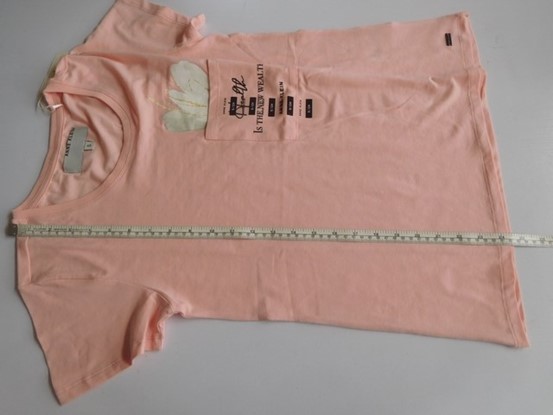
- Garment measurements and tolerances
- Buttons, zippers, and other accessories
- Labels, care instructions, and barcodes
- Packing assortments and carton markings
Sampling arrangements should be agreed before inspection, especially when different styles or product groups require separate acceptance decisions.
Understanding Inspection Results
After completing the inspection, the inspector records defective units by severity and compares the results with the applicable sampling plan.
For single-sampling plans, the acceptance number (Ac) indicates the maximum number of defective units permitted for acceptance, while the rejection number (Re) indicates when the lot fails the sampling criteria.
Passing an AQL inspection does not guarantee that every garment is defect-free.
Similarly, failing an inspection does not automatically mean every unit is defective. It indicates that the sampled results do not meet the agreed acceptance criteria.
The buyer should review the findings and decide whether to approve shipment, request corrective action, or arrange reinspection.
When Is Full Inspection More Appropriate?
Although random sampling is suitable for many routine orders, some apparel shipments require closer control.
For example, full inspection may be appropriate when:
- Previous shipments have shown recurring defects.
- Buyers require strict appearance or measurement consistency.
- Products have high retail values.
- Defective garments must be identified and separated individually.
Unlike random sampling, full inspection examines every available garment against the agreed checkpoints.
Independent pre-shipment inspection services can help buyers determine whether sampling or full inspection is more appropriate for a particular order.
Conclusion
DIN 40080 played a historical role in acceptance sampling, but modern apparel inspection programs should refer to applicable standards such as ISO 2859-1 or ANSI/ASQ Z1.4.
By selecting appropriate inspection levels, defining defect classifications, and applying consistent acceptance criteria, buyers can make better-informed shipment decisions and reduce avoidable garment quality risks.