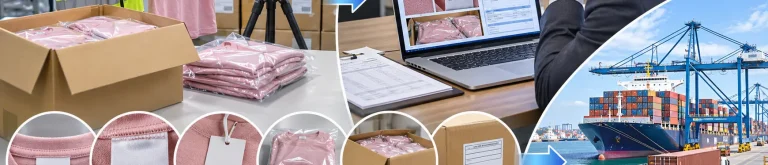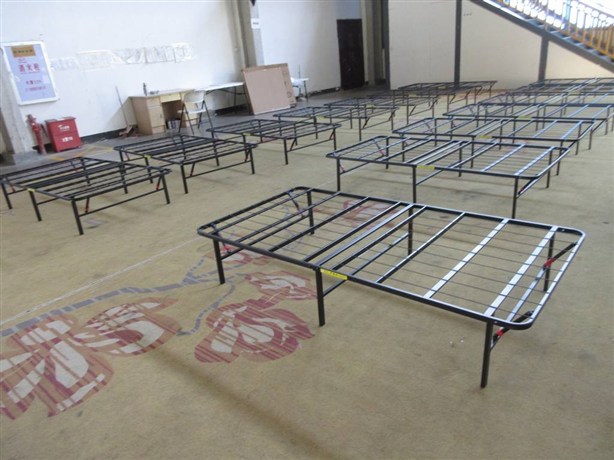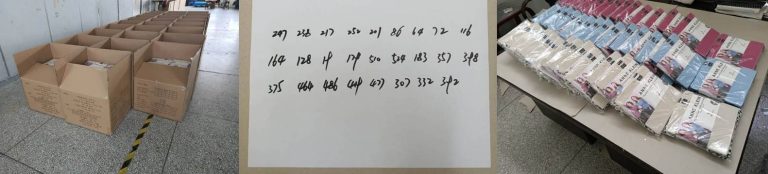
Container loading does not always proceed as scheduled. Trucks may arrive late, finished goods may be incomplete, shipping cartons may be damaged, or unexpected disagreements may interrupt loading operations.
For importers arranging container loading supervision, these situations can create shipment delays, additional costs, and uncertainty about what was actually loaded.
An independent inspector helps buyers understand the situation by verifying facts, documenting discrepancies, and communicating problems before the container is sealed.
Here are seven common loading problems and how inspectors should respond.

1. Late Container Arrival
One of the most frequent disruptions occurs when the container arrives later than the scheduled loading time.
Delays may result from trucking arrangements, traffic congestion, equipment shortages, or changes in the shipping schedule.
When this happens, inspectors should:
- Confirm the expected container arrival time.
- Record the actual arrival time.
- Notify the buyer or inspection coordinator.
- Verify whether loading can still be completed within the scheduled working hours.
If the delay requires additional working hours or rescheduling, the buyer should be informed of any applicable charges before proceeding.
2. Goods Not Ready for Loading
Sometimes the supplier confirms a loading date even though production, packing, or carton preparation is incomplete.
The inspector should verify the actual quantity available and compare it with the packing list and purchase order.
If goods are missing, the inspector should document the shortage, including affected product models, quantities, and carton numbers where applicable.
The inspector should not independently approve a partial shipment.
Instead, the buyer should decide whether to proceed with the available goods, postpone loading, or request the supplier to complete the outstanding quantity.
3. Damaged or Unsuitable Containers
Container condition is an important checkpoint before loading begins.
Inspectors should examine accessible areas for visible damage, including:
- Holes or cracks
- Water stains and moisture
- Damaged floors or walls
- Unusual odors or contamination
- Defective door seals or locking mechanisms
If significant problems are identified, the inspector should photograph the defects and immediately notify the responsible parties.
Loading should not proceed into a visibly unsuitable container without an appropriate resolution and buyer authorization.
4. Incorrect Products or Carton Quantities
Loading mistakes can occur when factories handle multiple orders, similar products, or mixed-SKU shipments.
Inspectors should compare carton markings, product identification, and loading quantities against the approved packing list.
If incorrect cartons or unexpected quantities are found, the affected goods should be identified and the discrepancy reported.
Under third-party inspection services, inspectors provide independent verification rather than making commercial decisions on behalf of the buyer.
Any proposed substitution or quantity adjustment should receive buyer approval before loading continues.
5. Improper Loading and Cargo Handling
Poor loading practices may cause carton damage, unstable stacking, or cargo movement during transportation.
Common problems include excessive stacking pressure, rough handling, unsupported cartons, and inadequate securing arrangements.
Inspectors should monitor the loading process and identify visible risks.
Where necessary, they should request corrective action from the loading team and document the outcome.
For heavy machinery, hazardous cargo, or specialized shipments, qualified personnel may be required to assess load securing and transportation safety.
6. Supplier Interference or Restricted Access
Independent supervision requires inspectors to observe the loading process and verify relevant shipment information.
Occasionally, suppliers may restrict access to cartons, refuse quantity verification, or prevent photographs from being taken.
Inspectors should explain the agreed inspection requirements and attempt to resolve misunderstandings professionally.
If access remains restricted, the inspector should notify the buyer and document the inspection limitations.
The final report must clearly identify any checkpoints that could not be completed.
Inspectors should never report unverified information as confirmed.
7. Unexpected Changes Before Container Sealing
Last-minute changes can occur even after loading is nearly complete.
Examples include additional cartons, removed products, revised packing lists, or requests to seal the container before verification is finished.
Inspectors should confirm the final loaded quantity and compare it with the latest buyer-approved documents.
Where container sealing is included in the agreed scope, the inspector should record the seal number and photograph the sealed doors.
If the container is sealed without the inspector witnessing the process, this limitation must be clearly documented.
How to Reduce Loading Disruptions
Effective preparation can prevent many avoidable problems.
Before arranging container loading inspection, buyers should confirm the loading date, factory address, container availability, packing list, and responsible supplier contact.
The supplier should ensure that all goods are packed, labeled, and ready before the inspector arrives.
Buyers should also clarify how quantity shortages, damaged containers, overtime, and unexpected loading changes will be handled.
Clear communication allows inspectors to report problems promptly without exceeding their authority.
Conclusion
Unexpected situations during container loading are not always avoidable, but their consequences can often be reduced through timely verification and communication.
Independent inspectors help document loading delays, quantity discrepancies, container defects, and other shipment risks.
Most importantly, inspectors should report the facts objectively while leaving commercial decisions and shipment approval to the buyer.
A well-documented loading process provides better shipment visibility and helps reduce avoidable disputes after delivery.