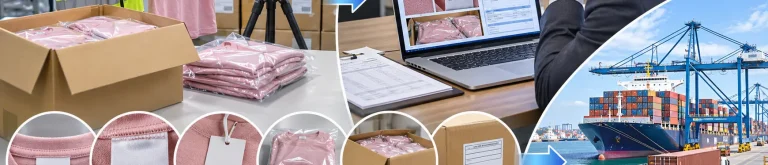
Chalk may appear to be a simple product, but its quality can vary significantly depending on raw materials, manufacturing processes, and intended applications. For importers sourcing school chalk, colored chalk, or industrial marking chalk from China, consistent performance and product safety are essential.
A well-planned chalk quality inspection helps buyers identify defective products, verify specifications, and reduce shipment risks before goods leave the factory.
Understanding Different Types of Chalk
Chalk products are manufactured for different purposes, and their quality requirements are not always the same.
School Chalk: Commonly made from calcium carbonate or gypsum, classroom chalk should provide smooth writing, consistent dimensions, and acceptable dust levels.
Colored Chalk: Used for artwork, outdoor activities, and educational purposes, colored chalk requires consistent pigmentation, satisfactory marking performance, and appropriate chemical safety.
Industrial Marking Chalk: Designed for construction, tailoring, and manufacturing applications, these products may require specific hardness, marking visibility, and resistance to breakage.
Inspectors should evaluate each product according to its intended use, approved samples, and agreed specifications.
Common Quality Defects Found in Chalk Products
Several defects can affect chalk performance, appearance, and customer satisfaction.
1. Excessive Dust Generation
Poorly manufactured chalk may release excessive dust during writing or handling. This can create an unpleasant user experience, particularly in classrooms.
Dust performance should be compared with approved reference samples using consistent testing conditions.
2. Cracks and Broken Pieces
Chalk sticks can develop cracks during production, drying, packaging, or transportation. Weak products may break under normal writing pressure.
Inspectors check for visible cracks, chipped ends, broken pieces, and structural inconsistencies.
3. Uneven Dimensions and Shapes
Inconsistent length, diameter, or shape can indicate poor molding or manufacturing control.
Randomly selected samples should be measured against the buyer’s dimensional tolerances.
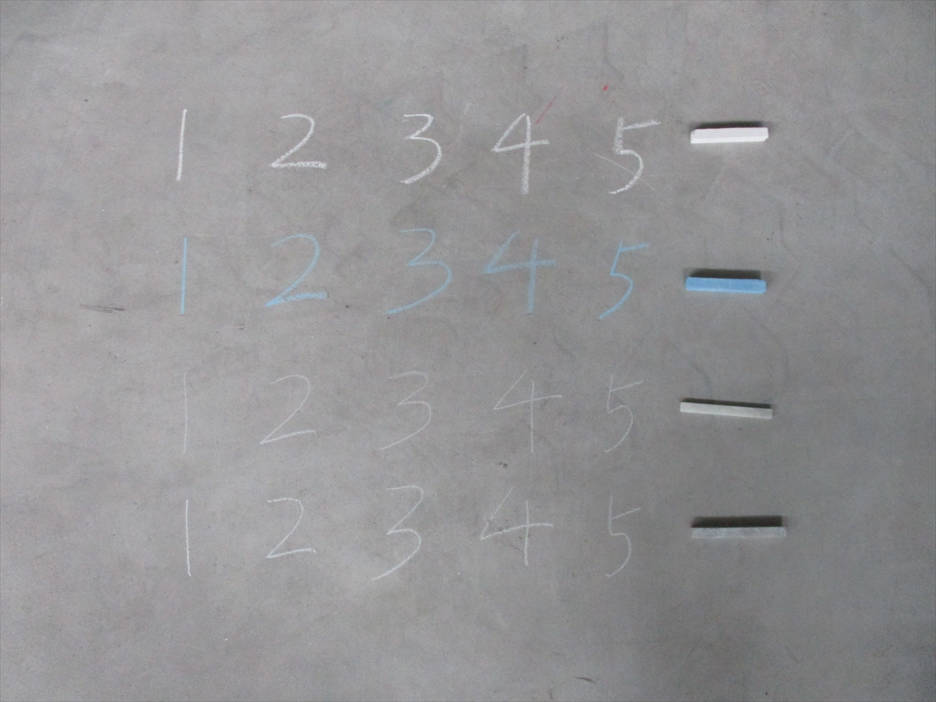
4. Poor Writing Performance
Some chalk products produce faint, uneven, or interrupted marks. Others may scratch the writing surface or wear down too quickly.
Writing tests help determine whether the chalk provides acceptable marking quality and smooth application.
5. Color Inconsistency
Colored chalk may show noticeable differences in shade, pigmentation, or marking intensity between production batches.
Inspectors compare finished products with approved color references under suitable lighting conditions.
These defects can be identified through systematic product inspection in China before shipment.
Practical Chalk Inspection Methods
A reliable inspection combines visual examination, dimensional verification, and practical performance testing.
Appearance Inspection
Inspectors examine randomly selected chalk sticks for cracks, chips, contamination, rough surfaces, discoloration, and visible manufacturing defects.
Dimension and Weight Verification
Length, diameter, and weight are checked against approved specifications. Significant variations may indicate inconsistent production or material composition.
Writing Performance Test
Chalk is tested on an appropriate writing surface to evaluate marking visibility, smoothness, dust generation, and wear characteristics.
Breakage Resistance Check
Where an approved test method is available, inspectors assess resistance to breakage using defined handling or loading conditions.
Packaging Inspection
Inner boxes, cartons, protective materials, quantities, labels, and shipping marks are verified. Packaging must adequately protect fragile chalk during transportation.
These practical checks are important elements of pre-shipment inspection for educational and stationery products.
Chemical Safety and Regulatory Considerations
Chemical safety is particularly important when chalk products are intended for children.
Depending on product classification and destination market, applicable requirements may include:
- EN 71-3: Migration limits for certain elements in toys, where the chalk is classified as a toy.
- ASTM F963: Relevant safety requirements for children’s toys sold in the United States, where applicable.
- REACH: Applicable EU chemical restrictions, depending on product composition and use.
- CPSIA: Applicable requirements for children’s products in the United States.
Not all chalk products are classified as toys. School supplies, industrial chalk, and children’s drawing products may be subject to different regulatory requirements.
Chemical composition, restricted substances, and relevant safety characteristics should be verified through appropriate laboratory testing when required. Routine factory inspections cannot replace laboratory compliance testing.
When Should Buyers Arrange Chalk Inspection?
For new suppliers, an initial production check can help verify raw materials, approved samples, and early manufacturing quality.
During production, inspectors can identify recurring defects before the entire order is completed.
A final inspection is generally recommended when at least 80% of production is finished and sufficient completed, packed goods are available for representative sampling.
For importers purchasing from multiple manufacturers, independent quality control in China helps maintain consistent inspection criteria across suppliers.
Conclusion
Chalk quality depends on more than appearance. Writing performance, breakage resistance, dimensional consistency, chemical safety, and protective packaging all influence whether finished products meet buyer expectations.
By establishing clear specifications and arranging appropriate inspections, importers can identify quality problems before shipment and make better-informed purchasing decisions.
NBNQC provides independent inspection services across mainland China, helping international buyers verify chalk products against approved specifications and agreed quality requirements.