Buying used construction machinery from China can offer significant cost advantages for importers, contractors, and equipment dealers. Excavators, wheel loaders, bulldozers, and forklifts are commonly traded through machinery dealers, online platforms, and equipment exporters.
However, purchasing second-hand equipment remotely involves risks that are different from buying new machinery. Misleading photographs, inaccurate operating hours, undisclosed repairs, and unreliable sellers can result in financial losses.
Understanding the following seven warning signs can help buyers make more informed purchasing decisions.
1. Unverifiable Supplier Information
Before making a payment, buyers should confirm that the seller is a legitimate business.
Warning signs include inconsistent company names, unverifiable addresses, and reluctance to provide business registration information.
Buyers should verify:
- Registered company name and business license
- Physical business address
- Contact details and company website
- Legal entity named in the sales contract
- Beneficiary information for receiving payments
Independent supplier verification in China can help buyers confirm available registration details and assess whether the supplier’s stated business information is consistent.
Business registration alone, however, does not establish the seller’s ownership of specific machinery.
2. Prices Significantly Below Market Value
An unusually low price may indicate undisclosed mechanical problems, incomplete equipment, misleading specifications, or potential fraud.
Buyers should compare quotations for machinery of similar brands, models, manufacturing years, operating hours, and conditions.
For example, two excavators of the same model may have substantially different values because of engine condition, hydraulic performance, maintenance history, or previous structural repairs.
A low quotation should not automatically disqualify a supplier, but unexplained price differences deserve further investigation.
3. Inconsistent Serial Numbers and Equipment Records
Equipment identification is essential when purchasing used machinery.
Buyers should request clear photographs of the manufacturer’s identification plate, machine serial number, and other identifying markings.
Check whether these details match the quotation, purchase agreement, and available equipment records.
Warning signs include:
- Missing or damaged identification plates
- Altered or inconsistent serial numbers
- Different model information across documents
- Unexplained changes to equipment specifications
Where possible, serial numbers should be cross-checked with manufacturer or authorized dealer records.
These checks help reduce substitution risks but cannot independently prove legal ownership.
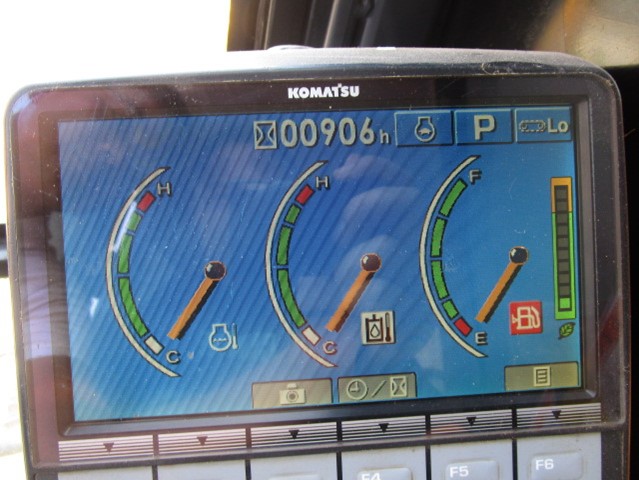
4. Suspicious Operating Hours and Maintenance History
Operating hours are frequently used to estimate the condition and remaining service life of construction machinery.
However, displayed meter readings should not be treated as conclusive evidence of actual usage.
Excessive wear on pedals, controls, seats, tracks, and hydraulic components may raise questions when the machine displays unusually low operating hours.
Buyers should request maintenance records, previous repair information, and available service documentation.
A professional used construction machinery inspection can help identify visible inconsistencies between the stated condition and actual equipment wear.
Nevertheless, determining the true operating history may require manufacturer records or specialized diagnostic equipment.
5. Refusal to Allow Independent Inspection
A supplier who repeatedly refuses reasonable inspection requests may present additional purchasing risks.
Before releasing substantial payment, buyers should confirm that the machinery is physically available at the declared location.
An independent inspection may cover equipment identification, general condition, visible damage, hydraulic leakage, and basic operational functions.
Where facilities and safety conditions permit, inspectors may observe engine startup, machine movement, and operation of major functions.
Buyers should establish the inspection scope in advance because a basic on-site examination cannot guarantee future reliability or reveal every internal mechanical defect.
6. Unclear Payment Terms and Ownership Documents
Payment arrangements deserve particular attention when purchasing expensive second-hand equipment.
Buyers should be cautious about unexpected beneficiary changes, requests for payment to unrelated individuals, and pressure to transfer the full amount before verification.
Important precautions include:
- Confirming the contractual seller and payment beneficiary
- Verifying bank account changes through an independently confirmed contact
- Requesting appropriate invoices and ownership documentation
- Defining inspection and shipment conditions in the contract
- Using suitable payment protection arrangements where available
Inspection companies can verify observable equipment details, but legal ownership, liens, and contractual rights may require separate legal or documentary checks.
7. Inadequate Shipment Identification and Loading Records
Even when machinery has been inspected, problems can occur before shipment.
Equipment may be substituted, accessories omitted, or cargo loaded without adequate protection.
For high-value transactions, container loading supervision can provide additional verification during the final shipment stage.
Inspectors may check serial numbers, equipment appearance, attachments, container identification, and loading photographs.
Cargo securing should follow an appropriate loading plan prepared by qualified personnel.
Clear photographic records help buyers compare the inspected machinery with the equipment presented for shipment.
How NBNQC Supports Used Machinery Buyers
NBNQC provides independent inspection and supplier verification services across mainland China.
Depending on the agreed scope, our inspectors can verify equipment identification, document visible condition, observe available functional tests, and record discrepancies before shipment.
Container loading supervision can also be arranged to monitor equipment identification and loading activities.
Our inspection reports provide photographs and documented findings to support purchasing and shipment decisions.
Conclusion
Buying used construction machinery from China requires more than comparing prices and reviewing supplier photographs.
Verifying supplier information, checking equipment identification, reviewing maintenance records, and arranging independent inspections can help reduce avoidable purchasing risks.
A structured verification process allows buyers to identify warning signs earlier and make better-informed decisions before committing to payment or shipment.