What makes a building block set enjoyable? The answer is not simply the number of pieces or the complexity of the finished model. Every block must connect smoothly, remain securely attached, and separate without excessive effort.
For toy manufacturers and importers, achieving this balance requires precise molding, consistent materials, and reliable production controls. Even small dimensional variations can affect how hundreds of individual pieces work together.
A well-planned building block toy inspection helps identify these problems while also addressing safety, durability, and product completeness.
The Importance of Clutch Power
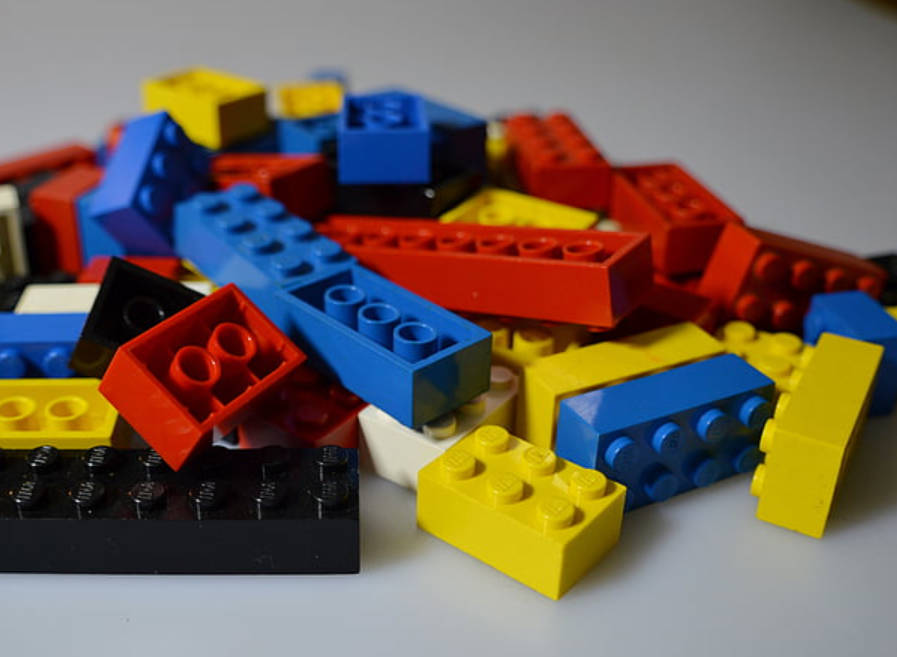
One of the most distinctive quality characteristics of building blocks is clutch power, which describes how securely connected pieces hold together.
If the connection is too loose, completed models may collapse during play. If it is excessively tight, children may struggle to separate pieces or damage them when applying force.
Several manufacturing factors influence clutch power:
- Dimensional accuracy of studs and connecting cavities
- Plastic shrinkage during cooling
- Injection molding temperature and pressure
- Mold wear and cavity consistency
- Material composition and flexibility
Because different block designs require different connection forces, manufacturers should establish acceptable performance ranges using validated specifications and approved reference samples.
Inspectors can evaluate representative combinations of blocks through repeated assembly and disassembly. Where measurable limits are specified, appropriate force-measuring equipment provides more consistent results than subjective handling alone.
When Small Dimensional Errors Become Major Problems
A single building block may appear perfectly acceptable during visual examination. However, combining multiple pieces can reveal dimensional inconsistencies that are difficult to detect individually.
For example, slightly oversized studs may create excessive friction, while undersized connecting features may reduce stability.
These problems become more noticeable in larger structures containing numerous interlocking components.
Dimensional verification should therefore focus on functional features rather than external dimensions alone.
Calipers, gauges, and approved measurement procedures can help identify deviations from engineering specifications.
During plastic toy inspection, particular attention should be given to molding defects such as flash, sink marks, deformation, short shots, and uneven surfaces that may affect assembly performance.
Material Selection and Surface Quality
ABS plastic is commonly used for rigid building blocks because it offers dimensional stability, impact resistance, and good surface finishing characteristics. Other materials, including polypropylene and polyethylene, may be used for specialized components.
Material selection affects not only durability but also flexibility, color consistency, and resistance to deformation.
Poorly controlled production can produce visible flow marks, discoloration, rough edges, or inconsistent gloss.
Sharp molding flash deserves special attention because it may create injury risks, particularly when children repeatedly handle small components.
Manufacturers should also maintain material traceability and appropriate laboratory test documentation to support applicable chemical safety requirements.
Can the Blocks Survive Repeated Play?
Building blocks experience repeated mechanical stress throughout their useful life.
Children assemble, dismantle, twist, drop, and sometimes apply unintended force to individual components. A product that performs correctly during initial assembly may deteriorate after repeated use.
Durability evaluations may include repeated connection cycles, drop resistance, and appropriate mechanical stress tests.
Inspectors should observe whether components develop cracks, permanent deformation, reduced connection strength, or sharp edges.
For complex sets, toy quality control should also consider the compatibility of different component types, especially when several molds or production batches contribute to the same product.
Missing Pieces Can Ruin the Entire Set
Unlike many individual toys, building block products depend on the completeness of an entire collection of components.
A missing connector or incorrectly supplied piece can prevent consumers from completing the intended model.
This makes assortment verification particularly important.
Factories should establish reliable counting and packing procedures for sets containing numerous small parts. Weight checks can provide useful screening information, but they may not reliably identify substitutions involving components of similar weight.
Inspectors may open selected packages to verify component quantities, colors, accessories, stickers, and instruction manuals.
Assembly instructions should also be understandable and consistent with the supplied parts.
Safety Requirements Beyond Appearance
Building block toys must meet the safety requirements applicable to their intended age group and destination market.
For the United States, ASTM F963-23 is incorporated into mandatory federal toy safety requirements. Relevant provisions address mechanical hazards, material safety, and other risks. Small-parts restrictions under 16 CFR Part 1501 are particularly important for toys intended for children under three. U.S. Consumer Product Safety Commission+1
For the European market, the applicable EN 71 standards and EU toy safety legislation must be considered.
Depending on the product, laboratory testing may be necessary to evaluate chemical substances, flammability, or mechanical safety.
A factory inspection cannot replace required laboratory testing or regulatory certification.
Building Confidence Before Shipment
Successful building block production requires consistent performance across thousands of individual components, not merely attractive packaging.
For international buyers arranging quality control in China, inspection findings can provide valuable evidence about dimensional consistency, assembly performance, workmanship, and packing accuracy.
Combining factory inspection with appropriate safety testing helps identify potential failures before products enter distribution.
Ultimately, a reliable building block set should deliver what its design promises: pieces that fit properly, remain durable, and provide a safe and satisfying play experience.