Artificial flowers are widely used in home decoration, weddings, hotels, retail displays, and seasonal arrangements. Manufactured from polyester, plastic, latex, paper, and other materials, these products offer decorative versatility without the maintenance required by natural flowers.
However, inconsistent colors, poorly attached petals, weak stems, and packaging damage can significantly affect their appearance and durability.
For importers sourcing artificial flowers from overseas manufacturers, quality control in China helps identify manufacturing defects before shipment and verify consistency with approved samples.
The following eight checkpoints cover the most important aspects of artificial flower inspection.
1. Appearance and Realistic Design
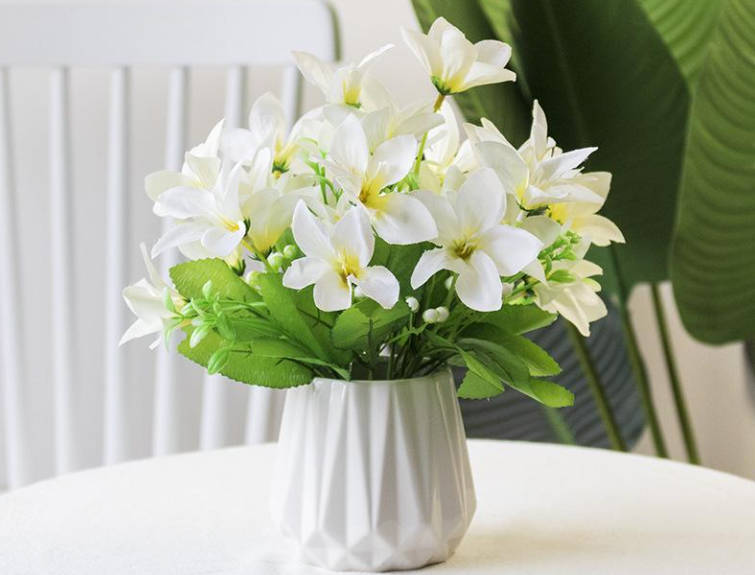
Appearance is one of the most important quality characteristics of artificial flowers.
Inspectors compare finished products with approved samples, photographs, or design specifications to verify:
- Flower shape and petal arrangement
- Color combinations and shading
- Leaf size, texture, and positioning
- Overall proportions and symmetry
- Surface cleanliness and finishing
Common defects include deformed petals, uneven flower heads, incorrect colors, visible adhesive, and unnatural-looking arrangements.
For premium decorative flowers, small appearance differences may significantly affect customer acceptance.
2. Material Quality and Consistency
Artificial flowers are commonly manufactured using polyester fabrics, PE or PVC plastics, latex-based materials, and coated paper.
Different materials have different characteristics regarding flexibility, surface texture, durability, and appearance.
Inspectors should check whether the materials match the approved specifications and reference samples.
Typical problems include excessively thin petals, brittle plastic components, inconsistent fabric textures, and visible material substitutions.
Exact material composition or restricted-substance compliance generally requires appropriate laboratory testing.
3. Petal and Leaf Attachment Strength
Loose petals and detached leaves are common quality problems in artificial flower production.
During pre-shipment inspection, inspectors examine how petals, leaves, and flower heads are connected to stems and branches.
Typical checks include:
- Gentle pulling of petals and leaves
- Checking glued or mechanically secured connections
- Verifying flower head attachment
- Identifying loose or missing components
Where appropriate, pull-force measurements can be performed against agreed acceptance criteria.
Attachment strength should be sufficient for normal handling, transportation, and intended use.
4. Stem Strength and Flexibility
Artificial flower stems frequently contain metal wires covered with plastic, paper, or fabric.
They should provide adequate support while allowing the arrangement to be adjusted when required.
Inspectors check for:
- Broken or excessively weak stems
- Exposed metal wires
- Cracked plastic coatings
- Sharp or unfinished edges
- Poor flexibility or permanent deformation
For bendable stems, repeated bending checks may help identify obvious construction weaknesses.
Sharp exposed wires are particularly important when evaluating potential injury risks.
5. Color Fastness and Surface Finishing
Artificial flowers may lose color or transfer dye when exposed to moisture, friction, or handling.
Inspectors can perform basic dry and damp rubbing checks where suitable for the material.
Common problems include color transfer, uneven dyeing, paint peeling, and surface discoloration.
For products intended for outdoor decoration, additional weathering or UV-resistance testing may be necessary.
Such performance claims should be verified through appropriate test methods rather than visual inspection alone.
6. Assembly and Workmanship Defects
Artificial flower arrangements often contain multiple components assembled manually.
Poor assembly can result in inconsistent shapes, missing accessories, and visible workmanship defects.
Inspectors should examine:
- Incorrect flower or leaf quantities
- Loose adhesive connections
- Exposed glue marks
- Damaged decorative elements
- Incorrect arrangement configurations
- Missing ribbons, pots, or accessories
For products supplied as complete arrangements, inspectors should compare the finished configuration with the approved bill of materials and reference sample.
7. Product Safety and Compliance
Safety requirements depend on the materials, intended users, product claims, and destination market.
Potential concerns include sharp metal components, detachable small parts, restricted chemicals, and flammability characteristics.
Products marketed as children’s toys may be subject to additional toy safety requirements, while decorative products can have different applicable obligations.
Importers should identify relevant regulatory requirements before production.
Routine factory inspections can identify visible safety hazards, but chemical composition, flammability, and other regulated properties generally require appropriate laboratory testing.
8. Packaging and Shipment Protection
Artificial flowers are easily compressed or deformed during transportation.
Improper packaging may cause bent stems, crushed petals, damaged leaves, and distorted arrangements.
Inspectors verify:
- Individual packaging and protective materials
- Carton quantities and assortments
- Product labels and barcodes
- Carton dimensions and condition
- Shipping marks and destination information
Where appropriate, packaging compression or carton drop tests may be arranged according to agreed procedures.
Packaging should protect the products while minimizing unnecessary deformation during storage and shipment.
How to Evaluate Artificial Flower Inspection Results
Professional third-party inspection services can evaluate artificial flowers using an agreed sampling plan.
For routine inspections, ISO 2859-1 or ANSI/ASQ Z1.4 General Inspection Level II is commonly used, with AQL limits such as Critical 0, Major 2.5, and Minor 4.0.
Inspectors classify defects according to severity and document findings with photographs and relevant measurements.
Buyers should review inspection results before approving shipment, particularly when recurring workmanship or packaging problems are identified.
Conclusion
Artificial flower quality depends on realistic appearance, consistent materials, secure attachments, durable stems, proper workmanship, and protective packaging.
By establishing clear product specifications and arranging appropriate inspections before shipment, importers can reduce avoidable defects, improve product consistency, and protect customer satisfaction.