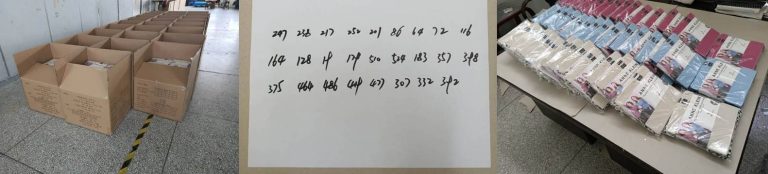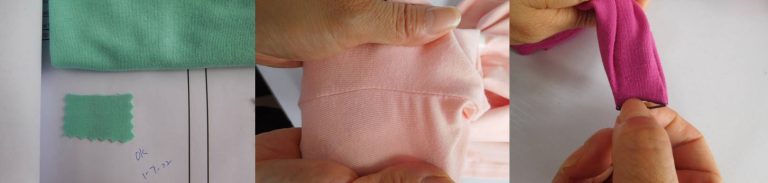
An approved garment sample establishes the reference for bulk production, helping buyers and manufacturers agree on how the finished products should look and perform. However, approving a sample does not automatically guarantee that every garment in mass production will meet the same requirements.
Differences in fabric, color, measurements, stitching, and accessories can occur when factories change materials, production methods, or suppliers.
For international apparel buyers, effective sample approval and management are essential parts of quality control in China, particularly when working with multiple factories or complex garment styles.
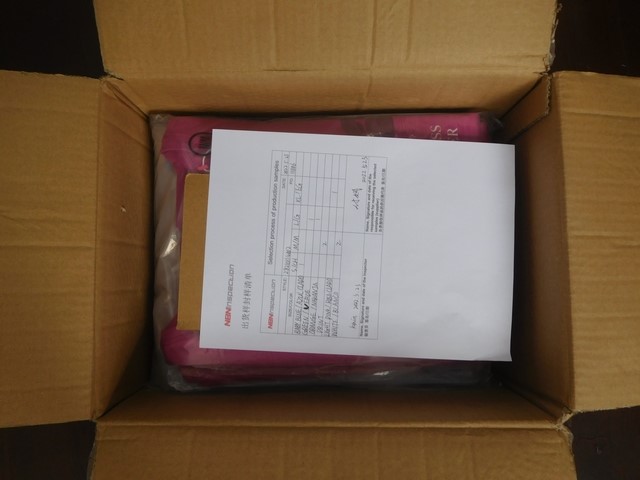
1. Confirm the Correct Sample Before Production
Apparel development involves several sample stages, including fit samples, size set samples, pre-production samples, and shipment samples.
Each serves a different purpose. The pre-production sample is particularly important because it represents the agreed construction and appearance before mass production begins.
Before approval, buyers should verify:
- Garment style, silhouette, and construction details
- Fabric composition, weight, texture, and color
- Measurements against the approved size chart
- Stitching methods and workmanship requirements
- Labels, buttons, zippers, and other accessories
- Printing, embroidery, and decorative details
A sample should only be approved after outstanding issues have been resolved or clearly documented.
2. Establish a Clear Sample Approval Procedure
Verbal approval or informal communication can create confusion when production begins.
Buyers should maintain written approval records identifying the sample version, style number, color, size, approval date, and authorized approver.
For styles requiring several revisions, each new sample should receive a unique identification number.
For example, a supplier may submit Sample V1, V2, and V3 before final approval. Only the approved version should be used as the production reference.
Previous samples should be clearly marked as obsolete to prevent accidental use.
A reliable approval procedure helps eliminate disputes about which specifications the factory was instructed to follow.
3. Keep Identical Approved Reference Samples
Once a garment sample is approved, buyers and suppliers should maintain clearly identified reference samples.
Where practical, an additional approved sample can be retained for independent inspection.
Each reference should include:
- Style and purchase order identification
- Approved sample version
- Color and size information
- Approval date and authorized signature
- Relevant specifications and approved deviations
Samples should be stored properly to prevent fading, contamination, or physical damage.
For color-sensitive products, approved fabric swatches or standardized color references may also be necessary.
During garment quality inspection, inspectors can compare selected production units against the approved reference to identify differences in appearance, construction, and finishing.
4. Control Changes During Bulk Production
One of the most common causes of inconsistency is an unauthorized change after sample approval.
A factory may replace fabric, adjust patterns, change trims, or modify sewing procedures to address production difficulties or material shortages.
Even small changes can affect garment quality.
For example, substituting a zipper may change the garment’s appearance or functionality, while adjusting cutting patterns can create measurement deviations.
Buyers should require written approval before any significant material, construction, or specification change.
Approved changes should be recorded and communicated to production personnel and inspectors.
If a change affects the finished product, an updated reference sample may be necessary.
5. Compare Production Garments Against Approved Samples
Approved samples are useful only when factories consistently apply them during production.
At the beginning of production, supervisors should verify that cutting, sewing, and finishing processes follow the approved requirements.
During production, quality inspectors should compare garments against reference samples and technical specifications.
Important comparison points include:
- Fabric shade and texture
- Garment measurements and proportions
- Stitching construction and seam appearance
- Print and embroidery placement
- Trims, labels, and accessories
- Overall finishing and presentation
An approved sample provides a valuable visual reference, but it should not replace measurable specifications or established tolerances.
6. Use Approved Samples During Final Inspection
Before shipment, finished garments should be checked against the latest approved sample and production specifications.
A pre-shipment inspection can identify differences between approved requirements and actual production.
Inspectors may discover incorrect fabrics, inconsistent colors, missing accessories, workmanship defects, or measurement deviations.
For example, a jacket may match the approved sample in overall appearance but have incorrect sleeve lengths or zipper specifications.
Such discrepancies should be documented with photographs, measurements, and clear descriptions.
The inspection report helps buyers determine whether corrective action is required before shipment.
7. Prevent Disputes Through Proper Documentation
Sample approval records should form part of the order’s quality documentation.
Buyers should maintain approved samples, technical packs, measurement charts, material specifications, artwork files, and written change approvals.
When a disagreement occurs, these records help determine whether the factory followed the agreed requirements.
Clear documentation also improves communication between buyers, suppliers, and third-party inspectors.
For repeat orders, reviewing previous inspection findings can help identify recurring differences and improve sample approval procedures.
Conclusion
Approved garment samples are essential references for maintaining consistency between product development and bulk production.
However, effective sample management requires more than initial approval. Buyers should establish clear approval procedures, control revisions, maintain reference samples, and verify production against documented requirements.
NBNQC provides independent apparel inspection services across China, helping international buyers compare finished garments against approved samples, technical specifications, and agreed quality standards before shipment.