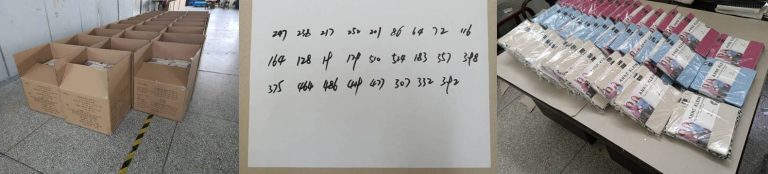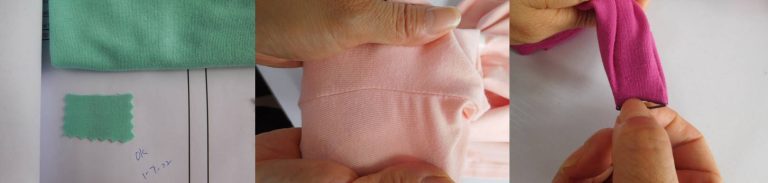
Apparel quality can vary significantly even when garments are produced by an experienced factory. Fabric differences, cutting errors, sewing workmanship, incorrect measurements, color variation, labels, accessories, and packaging can all affect the final product.
For fashion brands, retailers, and importers sourcing garments from China, an effective apparel quality control process helps identify these problems before shipment and reduces the risk of customer complaints, returns, and costly rework.
A good quality control program should begin before production and continue through manufacturing to final shipment.
1. Confirm Specifications Before Production
Clear specifications are the foundation of apparel quality control.
Before production starts, the supplier should receive complete and approved information, including:
- Tech pack and measurement chart
- Approved sample
- Fabric and color requirements
- Sewing and workmanship requirements
- Labels and care instructions
- Trims and accessories
- Packaging requirements
- Artwork and branding details
Measurement tolerances should also be clearly defined.
If requirements are unclear, inspectors can record actual findings, but it becomes more difficult to determine whether production complies with the buyer’s expectations.
2. Check Fabric, Color and Materials
Fabric is one of the most important components of a garment.
Quality checks may include fabric type, composition, color, weight, hand feel, appearance, and visible defects. Depending on the product and buyer requirements, laboratory testing may also be needed for shrinkage, colorfastness, fiber composition, pilling, strength, or other performance characteristics.
For garments made from multiple fabric panels, inspectors should also check for noticeable shade variation.
Trims such as zippers, buttons, snaps, elastic, hook-and-loop fasteners, cords, and decorative components should match the approved specification and function correctly.
3. Inspect Garment Workmanship
Workmanship is a major part of any apparel quality inspection.
Inspectors examine randomly selected garments for visible manufacturing defects. Common apparel defects include:
- Open seams
- Broken or skipped stitches
- Loose stitching
- Uneven stitch density
- Seam puckering
- Untrimmed threads
- Fabric damage
- Stains or dirty marks
- Incorrectly positioned pockets
- Uneven hems
- Twisted seams
- Poorly attached buttons or accessories
- Incorrect printing or embroidery
- Color or shade variation
Defects are normally classified according to their severity, such as Critical, Major, or Minor.
The classification should reflect the impact of the defect on safety, function, appearance, durability, and customer acceptance.
4. Verify Garment Measurements
Correct sizing is particularly important for apparel because even well-made garments can be unacceptable if measurements are outside the approved tolerances.
During inspection, selected garments are laid flat and measured according to the buyer’s measurement chart.
Typical measurement points may include:
- Chest
- Waist
- Hip
- Garment length
- Sleeve length
- Shoulder width
- Inseam
- Rise
- Leg opening
The exact measurement points depend on the garment style.
Results should be compared with the approved specification and tolerance. Consistent deviations across several samples may indicate a production or pattern issue rather than an isolated defect.
5. Check Labels, Logos and Accessories
Incorrect branding or labeling can make otherwise acceptable garments unsuitable for shipment.
Inspectors should verify:
- Main labels
- Size labels
- Care labels
- Composition labels
- Country-of-origin information
- Hangtags
- Price tags where applicable
- Printed and embroidered logos
Content, spelling, position, color, orientation, and attachment should be compared with approved artwork or specifications.
Functional accessories should also be tested. Zippers should operate smoothly, buttons and snaps should be securely attached, and elastic or hook-and-loop fasteners should function as intended.
6. Perform Relevant On-Site Tests
Depending on the garment type, additional checks can be included in a pre-shipment inspection.
Typical on-site tests may include:
- Seam strength checks
- Zipper function tests
- Button or snap pull checks
- Stretch and recovery checks
- Fabric rubbing checks
- Barcode scanning
- Garment weight measurement
- Metal or needle detection verification where required
Some performance and chemical tests require laboratory equipment and cannot be reliably performed during a normal factory inspection.
Buyers should therefore define laboratory testing requirements separately when necessary.
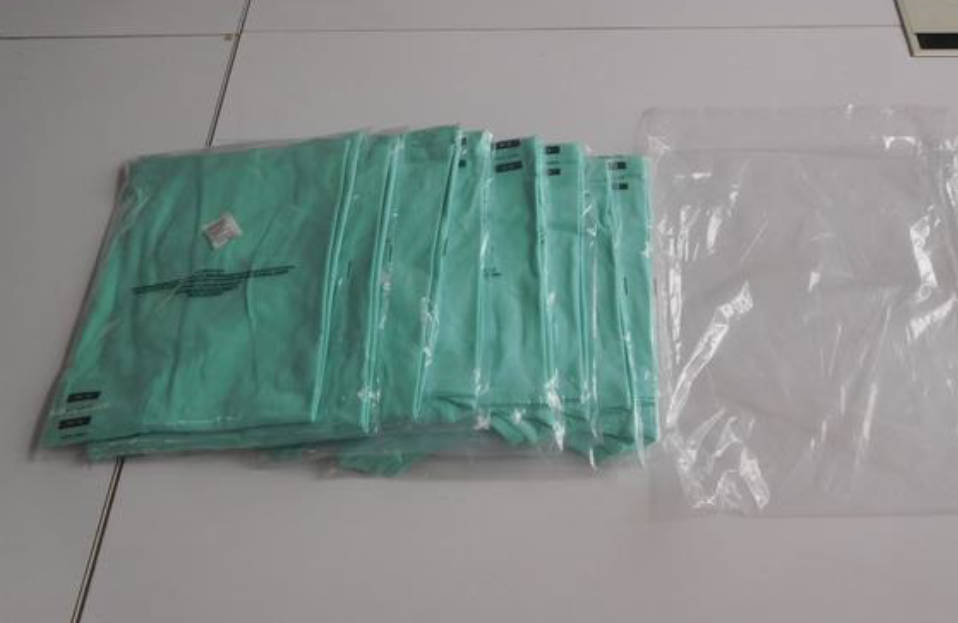
7. Verify Quantity and Packaging
Before shipment, inspectors should verify the finished and packed quantities against the purchase order or packing list.
Packaging checks typically include:
- Correct folding method
- Polybag size and printing
- Garment assortment
- Size and color ratios
- Hangtags and stickers
- Carton quantities
- Shipping marks
- Barcode information
- Carton dimensions and weight
Incorrect assortment or mixed sizes and colors can create serious distribution problems even when garment workmanship is acceptable.
8. Use AQL Sampling for Finished Garments
For most orders, inspecting every garment is unnecessary. Random sampling based on an agreed AQL standard provides a practical method for assessing the overall quality level of a shipment.
During a garment quality inspection, samples are selected from the available production quantity and defects are classified and counted.
The inspection result is then compared with the agreed acceptance criteria.
Buyers with very strict quality requirements or products with historically high defect rates may choose tighter AQL levels or a 100% full inspection instead.
Choosing the Right Inspection Stage
Apparel can be inspected at different production stages.
During Production Inspection is useful for identifying recurring workmanship or production problems while corrective action is still possible.
Pre-Shipment Inspection is normally carried out when most of the order has been completed and packed. It provides an overall assessment of finished product quality before shipment.
For products where very low defect rates are required, Full Inspection involves checking every individual garment and separating identified defective units.
Conclusion
Effective apparel quality control requires more than checking finished garments for visible defects.
Fabric, workmanship, measurements, trims, labels, functionality, quantities, and packaging all contribute to the final quality of an apparel order.
Clear specifications combined with appropriate inspections allow buyers to identify problems before shipment and give factories an opportunity to correct issues before products reach the market.
For brands and importers sourcing apparel from China, independent third-party inspection provides an additional layer of quality control between the factory and the final customer.