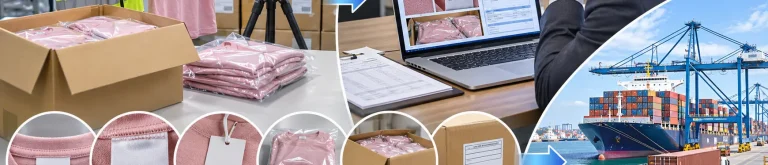
Ningbo is an important manufacturing and export center in eastern China, supplying a wide range of products to international markets. From household appliances and plastic products to garments, hardware, and industrial components, buyers can find manufacturers serving different industries and price segments.
However, sourcing from an established manufacturing region does not automatically guarantee consistent product quality. Even experienced suppliers may encounter material inconsistencies, production errors, or packaging problems. For overseas importers, understanding these risks is an essential part of successful sourcing.
Different Products, Different Quality Risks
One challenge when sourcing from Ningbo is the diversity of manufactured products. A standard inspection checklist cannot adequately address every product category.
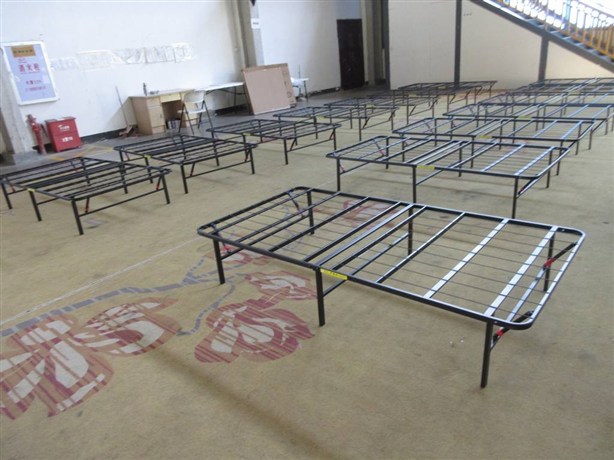
For example, household electrical appliances may require checks covering assembly, electrical ratings, basic functionality, and applicable safety requirements. Hardware products often demand closer attention to dimensions, surface treatments, corrosion protection, and mechanical performance.
Plastic household products present different concerns. Common defects include warping, flash, uneven coloring, sharp edges, and poor fitting between components.
For garments and textiles, inspectors typically focus on fabric quality, workmanship, measurements, color consistency, and labeling.
These differences explain why effective product inspection in Ningbo should be based on product specifications and actual manufacturing risks rather than a generic checklist.
The Approved Sample Is Not Always the Final Standard
Many buyers approve a pre-production sample before placing a large order. Problems can arise when the factory uses different materials, components, or production methods during mass manufacturing.
A sample may have been produced by an experienced technician, while bulk production involves multiple operators and production lines.
Consider a buyer ordering stainless steel kitchen accessories. The approved sample may have the correct dimensions and surface finish, but mass-produced items could show inconsistent polishing, sharp edges, or dimensional deviations.
To reduce these risks, buyers should provide clear specifications covering materials, dimensions, tolerances, appearance, functionality, and packaging.
Approved samples are valuable references, but written requirements help prevent misunderstandings when production conditions change.
Why Packaging Deserves More Attention
Packaging problems are sometimes underestimated because they do not necessarily affect the product itself.
However, incorrect carton markings, weak packaging materials, missing accessories, or unsuitable protective inserts can create serious difficulties during transportation and distribution.
For products shipped through Ningbo’s export logistics network, buyers should verify that packaging meets their commercial and transportation requirements.
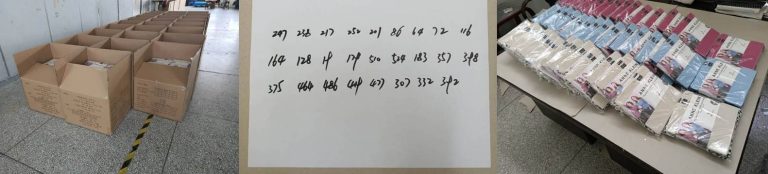
Important considerations include carton strength, product protection, shipping marks, barcode accuracy, packing quantities, and labeling consistency.
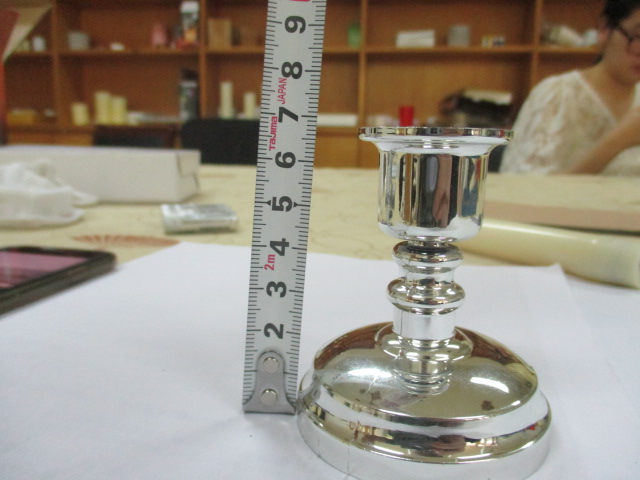
Fragile items, such as glassware or decorative products, may also require appropriate handling and packaging checks to reduce transportation damage.
An inspection should therefore evaluate both product quality and the condition of the goods prepared for shipment.
Choosing the Right Inspection Timing
Inspection timing can be as important as the inspection itself.
When working with an unfamiliar manufacturer, buyers may benefit from an initial assessment of the factory’s production capability and quality management practices.
For technically demanding products or large orders, checking the first production output can reveal problems before manufacturing progresses too far.
A during production inspection provides additional visibility into workmanship, materials, and production consistency while corrective action is still possible.
For routine orders, a pre-shipment inspection is often the most practical option. It allows buyers to evaluate finished products against agreed specifications before releasing the shipment.
When a supplier has recurring quality problems, additional inspection or item-by-item checking may be necessary.
The best approach depends on the supplier’s history, product complexity, order value, and acceptable quality risk.
What Buyers Should Prepare Before Inspection
An inspector can only evaluate products effectively when the inspection requirements are sufficiently clear.
Before arranging an inspection, buyers should provide the purchase order, product specifications, approved samples or photographs, packaging instructions, and any special testing requirements.
For dimensional products, technical drawings and tolerance limits are particularly important.
Buyers should also confirm the production status and ensure that the factory can provide access to the goods, relevant documents, and necessary testing equipment.
When using sampling inspection, the sampling level and acceptable quality limits should be agreed in advance.
For many consumer products, quality control in China commonly involves ISO 2859-1 or ANSI/ASQ Z1.4 sampling plans, although the appropriate inspection method depends on the product and buyer’s requirements.
Clear preparation reduces unnecessary disputes and makes inspection findings more useful.
Independent Inspection Support in Ningbo
As a third-party inspection company headquartered in Ningbo, NBNQC supports international buyers sourcing products from local manufacturers and surrounding industrial areas.
Our inspection services cover consumer goods, garments, electrical products, furniture, hardware, mechanical components, and other product categories.
Inspections are conducted according to agreed specifications, approved samples, and applicable inspection criteria. Reports include photographs, defect descriptions, and relevant test findings to help buyers evaluate product quality before shipment.
For importers who cannot visit factories personally, independent inspection provides practical information for communicating with suppliers and making informed shipment decisions.
Successful sourcing depends not only on choosing the right manufacturer, but also on verifying that the products delivered match what was originally agreed.
Contact NBNQC to arrange a product inspection in Ningbo or discuss quality control requirements for your next order.