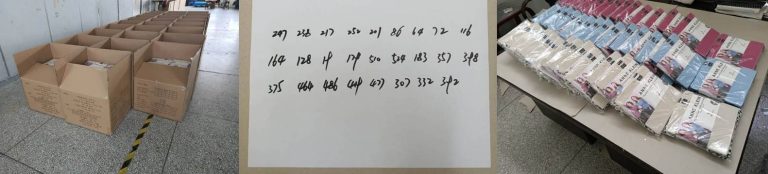
A product may look perfect in its approved sample but develop unexpected problems during mass production. Material substitutions, inconsistent workmanship, incorrect assembly, and poorly controlled manufacturing processes can all affect the final result. For international buyers, effective quality control in China means identifying these problems while production is still underway, rather than discovering them after the entire order has been completed.

Why Production-Stage Inspection Matters
Many quality problems begin with small deviations that become widespread when manufacturing continues without correction.
Consider a factory producing 10,000 handbags. If the first 500 units have incorrectly positioned handles, identifying the issue immediately may allow the factory to adjust its sewing process. If the problem remains unnoticed until production is finished, thousands of bags could require rework.
Similar situations occur across different industries. Incorrect component assembly can affect electronics, dimensional deviations can make mechanical parts unusable, and inconsistent fabric cutting can create sizing problems in garments.
Production-stage inspections provide buyers with an opportunity to identify such defects before they affect a larger proportion of the order.
Where Quality Problems Usually Begin
Manufacturing defects do not always result from poor workmanship. They may originate from decisions or changes made before production reaches full capacity.
Materials and components: Factories may receive materials that differ from approved samples in color, dimensions, performance, or composition. Without proper verification, these differences can affect the finished product.
Production setup: Incorrect machine settings, cutting patterns, assembly procedures, or manufacturing instructions can produce repeated defects.
Operator consistency: Different production lines or workers may interpret specifications differently, particularly when workmanship requirements are not clearly documented.
Process changes: A factory may replace components, adjust production methods, or introduce new subcontractors without adequately assessing the effect on quality.
Understanding these potential causes helps buyers establish inspection priorities rather than relying exclusively on final product checks.
Using During Production Inspection to Detect Problems
A during production inspection (DPI) is generally conducted when approximately 20%–80% of the order has been completed.
At this stage, inspectors can examine finished and partially completed products, depending on the agreed inspection scope and factory conditions.
Typical checks include:
- Comparing products against approved samples and specifications
- Examining workmanship, appearance, and dimensions
- Checking materials, components, and assembly quality
- Performing applicable on-site functional tests
- Reviewing packaging and labeling where available
- Identifying recurring defects and recording production progress
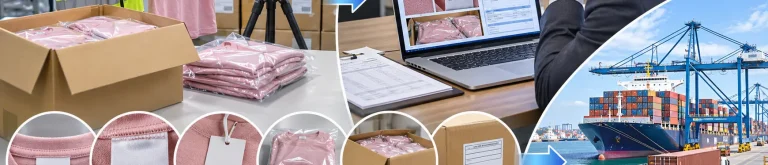
The inspection report provides photographs, measurements, defect classifications, and observations that help buyers understand the current production condition.
However, a DPI represents the products and processes examined at that particular time. It cannot guarantee that subsequent production will remain free from defects.
Turning Inspection Findings into Corrective Action
Finding defects is only the first step. The real value of production-stage inspection comes from how effectively the supplier responds.
Suppose an inspector discovers that several electrical appliances have loose internal connections. Simply repairing the inspected units may not solve the underlying problem.
The factory should investigate whether the issue resulted from assembly instructions, operator training, unsuitable components, or inadequate process controls.
An effective corrective action process should establish:
- Which products or production batches may be affected
- What caused the defect and how it will be corrected
- Who is responsible for implementing corrective measures
- How the factory will verify that the problem has been resolved
For significant or recurring defects, buyers may request additional inspection after corrective action.
This approach helps prevent the same problem from appearing repeatedly throughout production.
Combining Early Checks with Final Inspection
Production-stage monitoring is most effective when combined with appropriate inspections at other manufacturing stages.
An Initial Production Check (IPC) can identify problems with materials, components, and early production output before manufacturing progresses further.
During Production Inspection provides an opportunity to assess ongoing workmanship and address recurring defects.
Once production is sufficiently complete, a pre-shipment inspection helps buyers evaluate finished goods against agreed specifications, quantities, packaging requirements, and applicable acceptance criteria.
For orders with particularly strict quality requirements, Full Inspection may be considered instead of conventional sampling.
The appropriate combination depends on product complexity, supplier performance, order quantity, and the consequences of potential defects.
Practical Quality Control Support from NBNQC
NBNQC provides independent inspection services across mainland China, helping international buyers monitor manufacturing quality at different production stages.
Our inspectors examine products according to agreed specifications, approved samples, inspection checklists, and applicable sampling plans. Findings are documented with photographs and clear descriptions to support communication between buyers and suppliers.
For importers managing production remotely, timely inspection information can make a significant difference. It allows quality concerns to be addressed while corrective action is still practical.
Effective quality control is not simply about rejecting defective products. It is about identifying problems early enough to prevent them from becoming larger and more expensive.
Contact NBNQC to discuss your production requirements and arrange a suitable inspection plan for your next order in China.