Inflatable stand-up paddle boards (SUPs) are popular for recreational paddling, touring, and fitness activities. Their portability and lightweight construction make them attractive to consumers, but manufacturing defects can affect air retention, stability, durability, and user safety.
For importers sourcing inflatable SUPs from Chinese manufacturers, a paddle board inspection in China helps identify quality problems before finished products leave the factory.
Unlike many ordinary inflatable products, SUP boards combine high-pressure air chambers, reinforced materials, removable fins, and multiple accessories. These features require specific inspection methods.
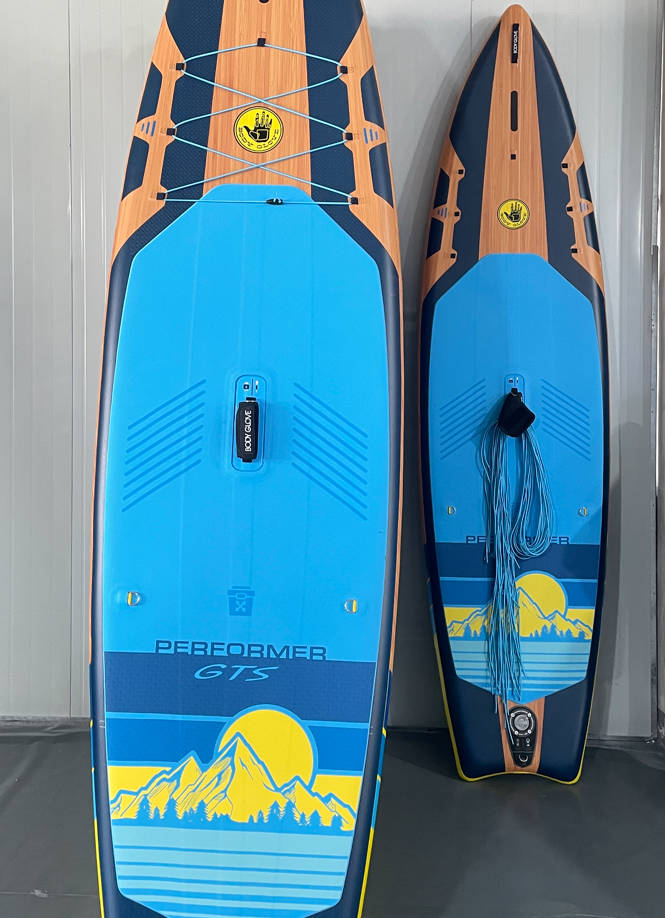
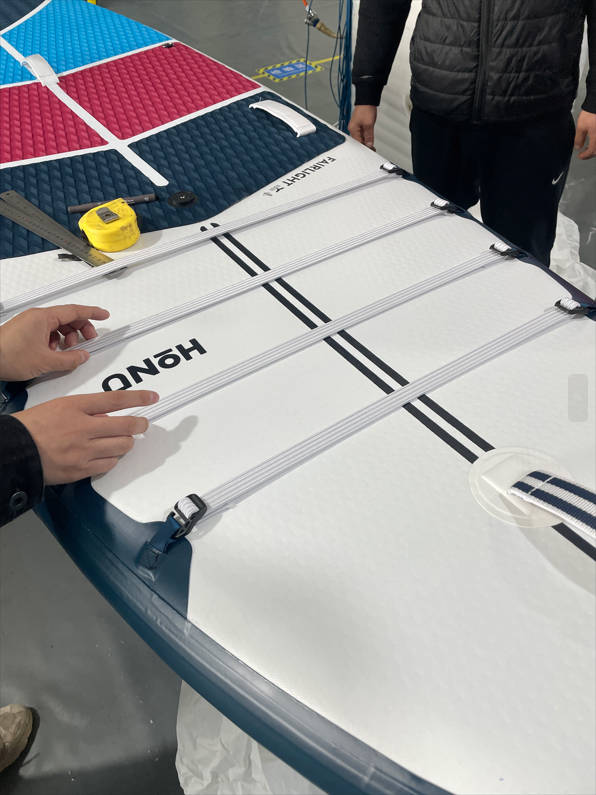
1. Check Drop-Stitch Construction and Surface Quality
Most inflatable SUP boards use drop-stitch construction, which connects the upper and lower surfaces through numerous internal threads.
This structure allows the board to maintain its shape when inflated to the manufacturer’s specified pressure.
Inspectors should examine the board for visible deformation, uneven surfaces, wrinkles, bubbles, scratches, and printing defects.
Special attention should be given to areas around the rails, nose, tail, and deck pad.
Abnormal bulging or distortion may indicate manufacturing problems that require further investigation.
However, internal drop-stitch integrity cannot be fully verified through visual inspection alone.
2. Examine Seams and Bonding Areas
Seam integrity is particularly important because inflatable SUP boards operate under internal air pressure.
Poor bonding, inadequate adhesive application, or manufacturing inconsistencies can contribute to air leakage or separation.
Inspectors should examine rail seams, bonding lines, and reinforced areas for visible gaps, peeling, excessive adhesive, or irregular workmanship.
Any separation or suspicious deformation should be documented with photographs.
Manual examination may identify obvious bonding problems, but quantitative seam-strength testing requires suitable equipment and controlled procedures.
3. Verify Inflation Pressure and Air Retention
Air leakage is one of the most important quality concerns for inflatable paddle boards.
During inspection, selected boards may be inflated to the pressure specified by the manufacturer using appropriate equipment.
Inspectors can check pressure-gauge readings, observe the inflated shape, and examine accessible seams and valves for leakage.
Where appropriate, an agreed short-duration pressure-retention check may be performed.
However, a 24-hour air-retention test requires additional time and controlled conditions. It should be arranged separately when specified by the buyer.
Pressure changes must also be interpreted carefully because temperature variations can affect internal pressure readings.
4. Inspect Valves and Inflation Components
A defective valve can make an otherwise acceptable paddle board unusable.
Inspectors should verify that the valve is correctly installed, securely fitted, and compatible with the supplied pump.
Checks may include valve operation, cap condition, visible sealing performance, and inflation or deflation functionality.
Loose valve assemblies, damaged seals, or incorrect components should be reported.
For buyers arranging inflatable product quality control, valve inspection is especially important because leakage problems may not be visible before inflation.
5. Check Dimensions, Shape, and Stability-Related Features
SUP dimensions influence the board’s intended performance and user experience.
Inspectors should compare the inflated board’s length, width, and thickness with the approved specifications.
The board should also be examined for visible twisting, asymmetry, or abnormal curvature.
Fin boxes, removable fins, handles, and deck pads should be correctly positioned and securely attached.
Inspectors can verify basic assembly and dimensions, but actual water stability, load capacity, and maneuverability require appropriate performance testing.
A visual factory inspection cannot establish safe load capacity through appearance alone.
6. Verify Accessories and Safety Information
Inflatable SUP boards are commonly supplied with paddles, pumps, fins, leashes, repair kits, and carrying bags.
Missing or incompatible accessories can make the product difficult or unsafe to use.
Inspectors should check accessory quantities, assembly, visible workmanship, and compatibility with the board.
Adjustable paddles should operate correctly, while pumps and hoses should connect securely to the valve.
Buyers should also verify that warning labels, user instructions, maximum pressure information, and relevant safety guidance meet their approved requirements.
Applicable standards and regulatory obligations vary by product design and destination market. Routine inspection does not replace laboratory testing or formal compliance assessment.
7. Examine Folding, Packaging, and Transport Protection
After inspection, inflatable boards must be deflated, folded, and packed correctly.
Improper folding may place unnecessary stress on valves, fins, or reinforced seams.
Inspectors should examine the packing arrangement, carrying bag, protective materials, retail packaging, and export cartons.
The board should be packed according to the manufacturer’s approved method without excessive compression or damage to accessories.
Carton markings, barcodes, product identification, and quantities should also match the purchase order.
Making Better Pre-Shipment Decisions
A practical pre-shipment inspection should combine workmanship checks, selected functional tests, accessory verification, and packaging examination.
For high-value or higher-risk orders, buyers may request extended air-retention testing, additional material tests, or more extensive inspection coverage.
NBNQC provides independent product inspection services across mainland China, helping importers verify inflatable paddle boards against approved specifications and agreed quality requirements.
By identifying defects before shipment and documenting inspection findings, buyers can request corrective actions and make more informed decisions about releasing their orders.