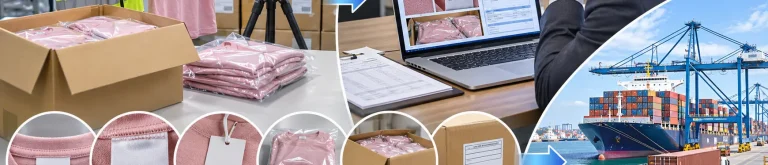
A failed inspection can put importers in a difficult position, particularly when the shipment deadline is approaching and the supplier insists that the products are acceptable. The most important question is not simply whether defects were found, but whether the affected goods can be corrected and safely released.
When major defects are identified during a pre-shipment inspection, buyers need reliable evidence, clear communication, and a practical recovery plan before approving shipment.
First, Understand Why the Inspection Failed
Major defects are problems that significantly affect product functionality, usability, appearance, or commercial acceptability without necessarily creating an immediate safety hazard.
Examples include malfunctioning buttons, incorrect dimensions, broken components, serious stitching defects, or unacceptable surface damage.
A major defect is classified according to its severity, not how frequently it occurs. One defective product may contain a major defect, while repeated minor imperfections remain minor unless their combined impact justifies a different classification.
Under an agreed AQL sampling plan, the inspection result depends on the number of defective units identified in the sample and the applicable acceptance and rejection numbers.
For example, a shipment may fail when the number of major defective units exceeds the rejection threshold established for the selected sampling plan.
Buyers should examine the actual findings rather than relying only on the final PASS or FAIL conclusion.
Determine Whether the Problem Is Isolated or Widespread
A failed inspection does not automatically mean that every product in the shipment is defective.
The next step is to review the defect photographs, descriptions, affected models, production batches, and inspection quantities.
Consider a shipment of 5,000 garments where inspectors discover repeated open seams in the selected samples.
If the affected garments come from different production lines or batches, the problem may indicate inconsistent sewing operations rather than a single isolated mistake.
However, a random sample alone cannot establish the exact number of defective products in the entire shipment.
Additional sorting, targeted checks, or 100% product inspection may be necessary to determine the actual extent of the problem.
Require a Corrective Action Plan From the Supplier
Once the findings are confirmed, the supplier should explain how the affected products will be handled.
A useful corrective action plan should identify the suspected cause, proposed correction method, responsible personnel, and expected completion date.
Depending on the defect, corrective actions may include repairing products, replacing components, reworking defective batches, or manufacturing replacement units.
For recurring defects, simply repairing the inspected samples is insufficient. The supplier must address the potentially affected production lot.
Buyers should request evidence that the corrective actions have been completed, including updated production records, sorting results, and photographs where appropriate.
Decide Whether Rework or Replacement Is Appropriate
Not every major defect can be corrected economically or reliably.
Loose stitching may be repairable, while incorrect molded dimensions or serious structural damage may require replacement.
Before approving rework, buyers should consider whether the repair could introduce additional problems or reduce product durability.
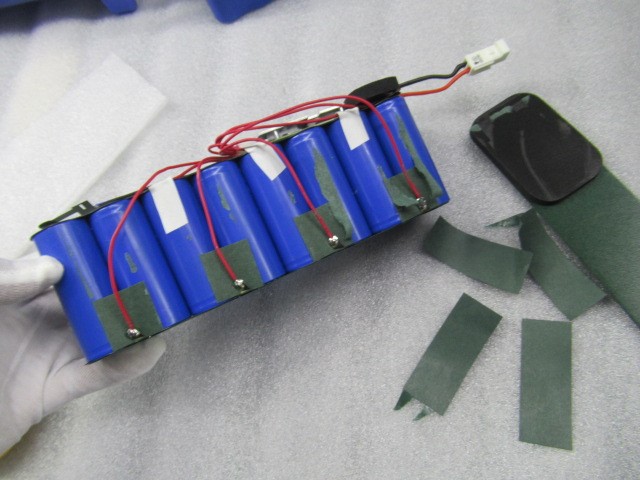
For example, repeatedly disassembling an electronic product may damage internal connections or compromise its original assembly condition.
When repairs cannot restore the agreed specifications, replacement may be the more appropriate solution.
Price reductions should not be treated as an automatic alternative to correction. Acceptance of nonconforming goods must be an informed buyer decision and should never override applicable safety or regulatory requirements.
Verify Corrections Before Releasing the Shipment
Supplier confirmation alone is not sufficient evidence that all problems have been resolved.
After rework or replacement, buyers should consider arranging a follow-up inspection.
The inspection scope should reflect the original failure. If defects were widespread, checking only a few repaired units may provide insufficient assurance.
A re-inspection can verify whether the previously identified problems remain and whether the corrected shipment meets the agreed acceptance criteria.
Where the supplier has conducted complete sorting, inspectors may also review sorting records and verify selected products from the accepted quantity.
Independent quality control in China helps buyers assess corrective action results without relying entirely on supplier declarations.
Manage Shipping Deadlines Without Ignoring Quality Risks
A failed inspection often creates commercial pressure because vessel bookings, warehouse arrangements, and customer delivery commitments may already be confirmed.
Nevertheless, shipping defective goods can result in higher costs than delaying the order.
Buyers should establish a realistic correction schedule and communicate any revised shipment dates to relevant parties.
Partial shipment may be considered when conforming products can be reliably identified and separated from affected goods.
However, this arrangement should be supported by clear quantity records, updated packing lists, and written buyer approval.
Keep the Final Shipment Decision With the Buyer
An independent inspection company documents findings and reports whether the inspected samples meet the agreed criteria. It does not normally authorize shipment or require the factory to stop production unless specifically empowered by contract.
The buyer remains responsible for deciding whether to release, delay, reject, or conditionally accept the goods.
NBNQC provides independent product inspection services across mainland China, helping importers identify major defects, review corrective actions, and verify product quality before shipment.
A failed pre-shipment inspection should be treated as an opportunity to make a documented decision, not merely as an obstacle to meeting the shipping schedule.