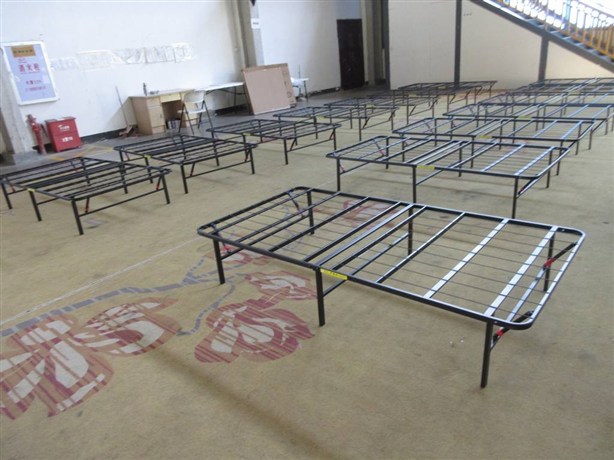
A supplier may offer competitive prices, impressive product samples, and attractive delivery schedules. However, these advantages mean little if the factory lacks the systems and resources needed to manufacture products consistently.
When evaluating suppliers, a manufacturing audit in China can reveal operational weaknesses that are not obvious during negotiations or sample reviews. Understanding these findings helps buyers make better sourcing decisions before committing to large orders.
The following seven warning signs deserve particular attention when reviewing a manufacturing audit report.
1. Production Capacity Does Not Match Supplier Claims
Some suppliers promise high monthly output without having sufficient machinery, production lines, or skilled workers to support their commitments.
During a manufacturing audit, auditors examine production facilities, equipment availability, workforce allocation, and production records.
A factory claiming to produce 100,000 units monthly should have reasonable evidence supporting that capacity.
Buyers should be cautious when production schedules appear unrealistic or when the supplier cannot explain how additional orders will be accommodated.
Capacity limitations may lead to delivery delays, rushed production, or unauthorized subcontracting.
2. Quality Control Procedures Exist Only on Paper
A factory may display quality manuals and inspection procedures but fail to implement them consistently.
For example, written procedures might require incoming material inspection, while actual records show that materials enter production without verification.
Other warning signs include incomplete inspection records, unclear defect classification, and inconsistent handling of rejected products.
Effective factory quality control systems require more than documentation. Workers must understand the procedures, and supervisors must ensure they are followed.
Auditors should compare documented requirements with actual production practices and available records.
3. Equipment Maintenance Is Poorly Managed
Manufacturing equipment directly influences production consistency, especially for products requiring precise dimensions, stable performance, or controlled processing conditions.
Warning signs include:
- Missing preventive maintenance records.
- Damaged or poorly maintained machinery.
- Measuring instruments without valid calibration evidence.
- Frequent equipment breakdowns.
- Unclear responsibility for maintenance activities.
These weaknesses can increase dimensional variation, production interruptions, and repeated defects.
Buyers sourcing mechanical components, electrical products, or precision assemblies should pay particular attention to equipment condition and measurement control.
4. Raw Materials Lack Identification and Traceability
Material control is essential for preventing production errors.
During an audit, inspectors may discover unidentified materials, mixed inventory, missing supplier information, or inadequate storage conditions.
Without proper identification, workers may accidentally use incorrect components or materials that have not passed incoming inspection.
Traceability becomes especially important when products require specific material grades, batch identification, or customer-approved components.
A reliable factory should demonstrate how materials are received, inspected, identified, stored, and released for production.
5. Defective Products Are Not Properly Controlled
Every manufacturing operation encounters defects. The important question is how the factory manages them.
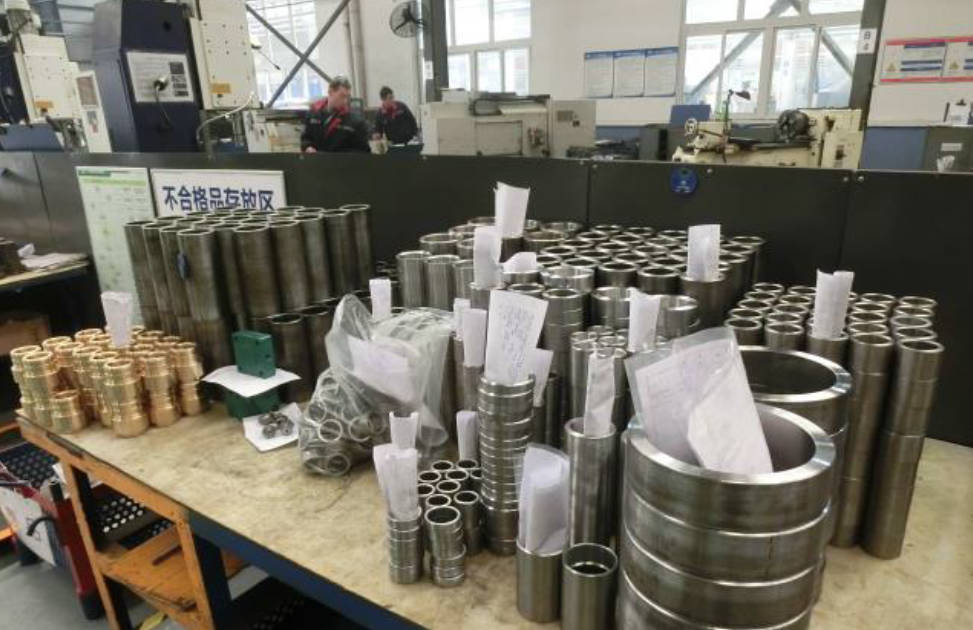
A serious warning sign is the absence of a clear system for identifying, separating, and recording nonconforming products.
If rejected goods remain mixed with acceptable inventory, defective items may accidentally enter subsequent production stages or finished shipments.
Auditors should also review whether the factory investigates recurring defects and implements corrective actions.
Repeated problems without documented improvement suggest weaknesses in management oversight and process control.
6. Production Records Are Incomplete or Inconsistent
Production records help buyers evaluate whether factory operations are controlled and traceable.
Missing work orders, inconsistent inspection dates, incomplete batch records, or unexplained differences between reported and actual output may indicate management weaknesses.
These findings do not automatically prove misconduct. However, they should prompt additional verification.
For importers managing multiple suppliers, accurate production documentation supports effective quality control in China and helps identify potential problems before shipment.
Reliable records also make it easier to investigate customer complaints and determine which production batches may be affected.
7. Corrective Actions Are Repeatedly Delayed
An audit report may identify several deficiencies, but the supplier’s response often reveals more about its management commitment.
A cooperative factory should be able to explain the root causes of important findings, assign responsible personnel, and establish realistic corrective action deadlines.
Warning signs include repeated excuses, missing supporting evidence, and previously reported problems that remain unresolved.
Buyers should distinguish between minor administrative weaknesses and serious issues affecting product safety, production capability, or quality consistency.
Not every finding requires rejecting a supplier. Some deficiencies can be corrected through practical improvement plans and follow-up verification.
How Buyers Should Respond to Audit Findings
Manufacturing audit findings should be evaluated according to their severity, potential impact, and the supplier’s ability to implement corrective actions.
Critical concerns affecting safety, legal requirements, or essential manufacturing capability may justify delaying supplier approval until satisfactory evidence is available.
Less serious issues can often be addressed through corrective action plans, document reviews, or follow-up audits.
Buyers should also remember that a manufacturing audit evaluates factory conditions and management systems at a particular point in time. It does not guarantee that future production will be defect-free or establish full regulatory compliance unless specifically assessed within the agreed scope.
NBNQC provides independent manufacturing audit services across mainland China, helping buyers assess supplier capabilities, identify operational weaknesses, and make informed sourcing decisions.
A useful audit report does more than assign a factory rating. It explains the risks behind the findings and provides buyers with a practical basis for deciding what should happen next.