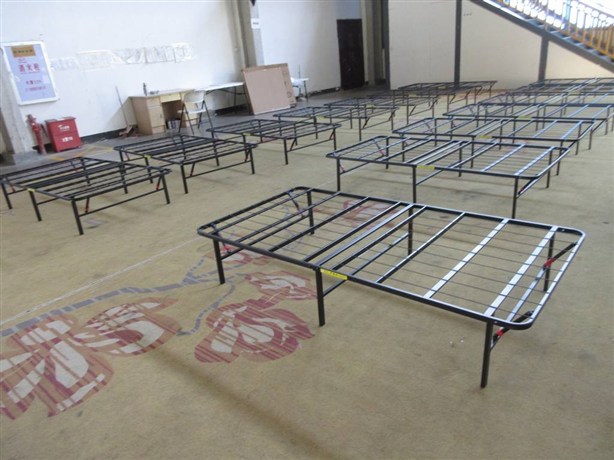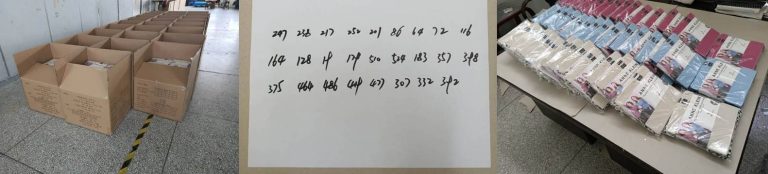
Shipping products from China involves more than completing production and arranging transportation. Even when finished goods have passed a quality inspection, mistakes during container loading can result in missing cartons, incorrect products, damaged packaging, or shipment disputes.
To reduce these risks, many importers arrange container loading supervision in China to independently verify the goods and loading process before the container leaves the factory.
Verifying the Goods Before Loading
The first responsibility of a loading inspector is to confirm that the goods presented for shipment match the buyer’s order and packing list.
This typically involves checking product descriptions, model numbers, SKUs, carton quantities, shipping marks, and packaging conditions.
For mixed shipments containing multiple products, accurate identification becomes particularly important. Similar-looking cartons may contain different models, colors, or specifications, making loading mistakes difficult to detect after dispatch.
Inspectors compare the available shipment information with the actual goods and identify discrepancies before loading begins.
However, container loading inspection is not a substitute for a comprehensive product quality inspection. Its primary purpose is to verify shipment identity, quantities, packaging, and loading conditions rather than conduct extensive functional or workmanship testing.
Checking Container Condition
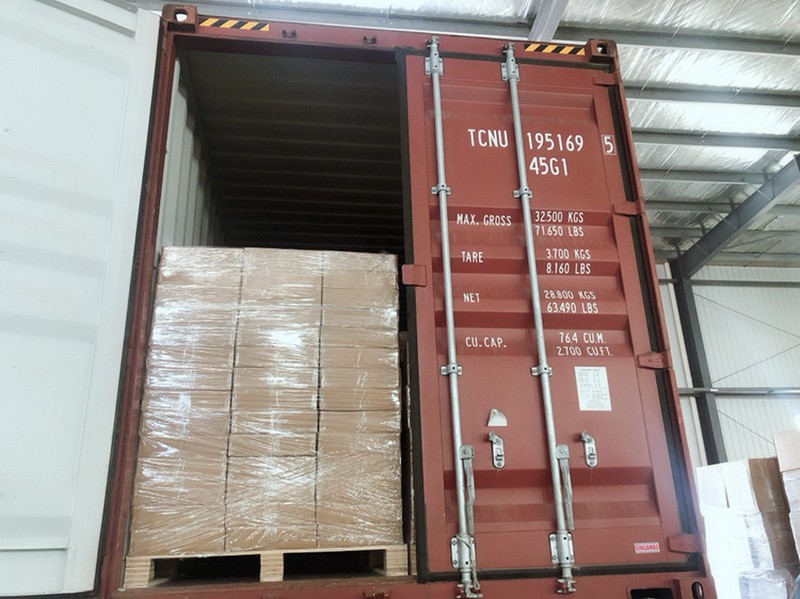
Before loading starts, the inspector examines the shipping container for visible conditions that could affect the cargo.
Typical checkpoints include:
- Interior cleanliness and dryness.
- Visible holes, cracks, corrosion, or structural damage.
- Door condition and locking mechanisms.
- Unusual odors, moisture, or contamination.
- Container identification number.
A container that appears unsuitable should be reported before goods are loaded.
For moisture-sensitive products such as textiles, furniture, or paper packaging, particular attention should be given to water stains, damp flooring, and signs of previous leakage.
A visual container check cannot guarantee that moisture damage will never occur during transportation, but it helps identify obvious risks before shipment.
Monitoring Carton Quantities and Loading Accuracy
One of the most important tasks during third-party inspection in China is independently verifying the quantities actually loaded.
Inspectors monitor the movement of cartons into the container and compare the recorded quantities with the approved packing list.
Depending on the shipment, verification may include carton counts by SKU, product model, purchase order, or destination.
For example, a shipment containing 1,200 cartons across six product models requires more than confirming the total carton count. The inspector should also verify the quantity allocated to each model.
Any shortages, additional cartons, incorrect markings, or unexpected substitutions should be documented and communicated to the buyer.
Observing Handling and Cargo Arrangement
Proper loading practices help reduce the likelihood of physical damage during transportation.
Inspectors observe how workers handle cartons, pallets, and other cargo while loading the container.
Important considerations include avoiding excessive stacking pressure, preventing heavy goods from damaging lighter products, and following the agreed loading arrangement.
Fragile products may require additional protective materials, while machinery and heavy equipment often need specific securing arrangements.
Inspectors can observe and document visible loading practices, but specialized cargo-securing calculations or engineering certification require separately qualified personnel where applicable.
The objective is to identify observable handling and arrangement problems before the container is closed.
Recording Container Sealing and Shipment Evidence
Once loading is completed, the inspector records the final shipment condition.
Photographic documentation typically includes the container number, loading progress, carton arrangement, final loaded condition, and seal number.
When the container is sealed under supervision, the inspector verifies and records the seal information.
These records provide useful evidence if questions arise about shipment quantities, product identification, or loading conditions.
A well-prepared loading report should clearly distinguish confirmed findings from discrepancies and unresolved issues.
Understanding What CLS Cannot Guarantee
Although quality control in China may involve several inspection stages, container loading inspection has a specific role.
It cannot guarantee that every product inside sealed cartons is defect-free. It also cannot eliminate all transportation risks or replace customs inspections, laboratory testing, or specialized cargo certification.
For buyers concerned about workmanship, dimensions, functionality, or product defects, a pre-shipment inspection should normally be completed before loading.
Combining pre-shipment inspection with container loading supervision provides two separate checkpoints: one for finished product quality and another for shipment accuracy.
Final Considerations for Importers
Container loading inspection is most effective when the inspector receives accurate purchase orders, packing lists, shipping marks, and any special loading instructions before arriving on site.
Buyers should also establish clear procedures for handling discrepancies, particularly when shortages, damaged cartons, or incorrect products are discovered.
NBNQC provides independent container loading supervision across mainland China, helping importers verify shipment details, observe loading operations, and obtain documented findings before dispatch.
By maintaining clear communication between buyers, suppliers, and inspectors, companies can reduce avoidable loading errors and make more informed shipping decisions.