A printed design can look perfect when a garment leaves the production line but begin cracking, fading, or peeling after only a few washes. For clothing brands and importers, this creates a difficult quality problem: appearance alone does not always indicate whether a print will perform well during normal use.
Understanding garment printing quality requires examining the printing technique, fabric characteristics, production conditions, and appropriate testing methods. These factors help explain why printing defects occur and how manufacturers can reduce them before products reach consumers.
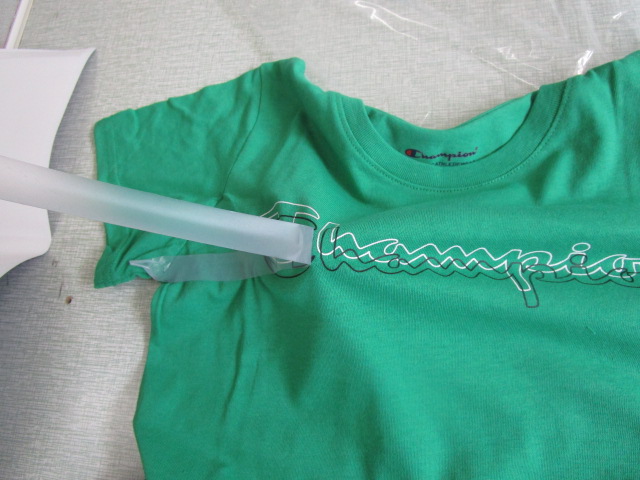
How Printing Techniques Affect Garment Quality
Different printing methods create different quality risks. Selecting the appropriate technique depends on fabric composition, artwork complexity, expected durability, and production volume.
Screen Printing
Screen printing is widely used for T-shirts, sweatshirts, and promotional apparel. It provides strong color coverage and works well for large production runs.
However, excessive ink deposits, improper curing temperatures, or unsuitable ink formulations may cause cracking, stiffness, and poor adhesion. Uneven pressure can also produce inconsistent print thickness.
Digital Printing (DTG)
Direct-to-garment printing allows detailed graphics and complex color combinations without traditional screens. It is particularly suitable for smaller orders and customized clothing.
Common concerns include insufficient pretreatment, inconsistent color reproduction, and reduced wash durability. Fabric composition and curing conditions significantly influence the final result.
Heat Transfer Printing
Heat transfer printing applies designs using heat and pressure. It is frequently used for sportswear, logos, and customized garments.
Incorrect temperature, pressure, or application time can result in lifting edges, bubbling, or premature peeling. The compatibility between the transfer material and fabric must also be considered.
Why Printing Defects Develop During Production
Printing problems are not always caused by defective ink or equipment. They often result from several production variables interacting.
For example, insufficient curing may leave the print vulnerable to washing, while excessive heat can damage synthetic fabrics or affect elasticity.
Other contributing factors include:
- Contaminated or improperly prepared fabric surfaces
- Incorrect ink viscosity or unsuitable printing materials
- Poor registration between multiple printing colors
- Inconsistent pressure during printing or heat transfer
- Inadequate drying and curing conditions
These problems can spread across an entire production batch if they are not identified early.
For orders involving complex artwork or multiple printing processes, during production inspection can help identify recurring defects while corrective action is still practical.
Evaluating Print Appearance and Workmanship
A professional assessment begins with the visible characteristics of the printed design.
Print placement should follow the approved artwork dimensions and positioning requirements. Color differences, incomplete coverage, blurred edges, and visible registration errors may indicate inconsistent production control.
Inspectors should also examine whether the printed surface contains pinholes, excessive ink deposits, unwanted gloss differences, or contamination.
Stretch fabrics require particular attention. A print that appears acceptable when relaxed may develop cracks or distortion when the garment is extended.
Within garment quality inspection, these observations should be evaluated against agreed acceptance criteria rather than subjective appearance preferences.
Testing Print Durability and Performance
Visual examination provides useful information, but additional testing is necessary when buyers require evidence of long-term print performance.
Washing Resistance
Repeated laundering can reveal fading, cracking, peeling, or changes in surface appearance.
ISO 105-C06 and AATCC TM61 provide established methods for evaluating colorfastness to laundering. However, these methods do not independently establish print adhesion or resistance to cracking.
Where print integrity is critical, buyers should specify an appropriate wash-durability procedure and acceptance criteria.
Rubbing Colorfastness
Dry and wet rubbing tests help determine whether color transfers from the printed surface to another material.
ISO 105-X12 and AATCC TM8 are commonly referenced for assessing colorfastness to rubbing.
Results should be compared with the buyer’s specified grading requirements.
Stretch and Adhesion Performance
For elastic garments, controlled stretching can reveal cracking, separation, or permanent distortion.
Adhesion may also be evaluated using an agreed tape or peel procedure suitable for the particular printing system.
Unlike standardized colorfastness tests, these checks require clearly defined methods and acceptance limits to ensure consistent interpretation.
International Standards and Testing Requirements
Several recognized standards support the evaluation of printed textiles:
| Standard | Primary application |
|---|---|
| ISO 105-C06 | Colorfastness to laundering |
| ISO 105-X12 | Colorfastness to rubbing |
| ISO 105-B02 | Colorfastness to artificial light |
| AATCC TM61 | Colorfastness to laundering |
| AATCC TM8 | Colorfastness to crocking |
| ISO 3758 | Care labeling symbols |
These standards address specific performance characteristics rather than providing a single comprehensive approval system for garment printing.
Test selection should reflect the printing method, fabric composition, intended use, and destination market.
Connecting Laboratory Testing with Factory Inspection
Laboratory tests and factory inspections serve different purposes.
Laboratory testing provides controlled performance measurements, while on-site inspection helps identify visible defects, production inconsistencies, and workmanship problems across sampled garments.
For importers arranging quality control in China, combining appropriate laboratory reports with practical factory inspections provides a more complete understanding of printing quality.
When defects are discovered, inspectors should document their appearance, frequency, and distribution across production lots. This information helps manufacturers identify whether the problem is isolated or related to a wider process failure.
Conclusion
Reliable garment printing depends on more than attractive artwork. Printing materials, fabric compatibility, curing conditions, and production consistency all influence the finished product.
By understanding the causes of printing failures and selecting suitable inspection and testing methods, apparel buyers can make better quality decisions and reduce the risk of premature print deterioration.