Plastic injection molding is widely used to manufacture components for household appliances, automotive products, electronics, packaging, and industrial equipment. Although the process supports efficient mass production, variations in materials, mold conditions, and processing parameters can cause defects that affect product appearance, dimensions, and functionality.
For international buyers sourcing plastic components from China, understanding common molding defects and establishing clear inspection criteria can help prevent costly quality problems before shipment.
1. Common Plastic Injection Molding Defects
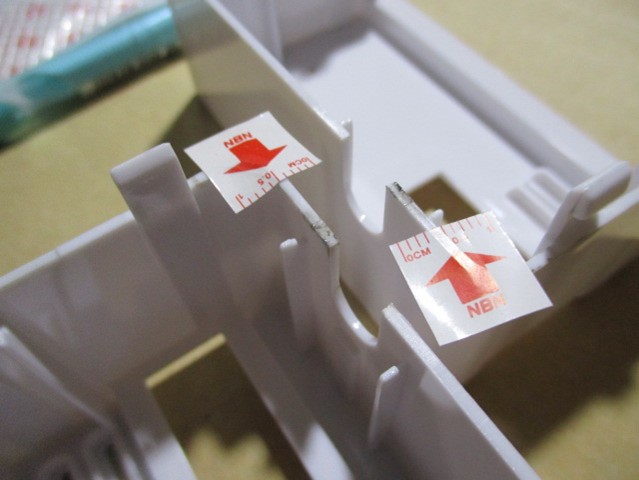
Injection-molded components may develop several types of defects during production. Inspectors should pay particular attention to the following problems.
Sink Marks
Sink marks are visible depressions that typically appear in thicker sections of molded parts. They may result from uneven cooling, insufficient packing pressure, or unsuitable wall thickness.
Inspectors should examine flat surfaces, reinforced areas, and sections surrounding internal ribs for noticeable depressions.
Flash
Flash occurs when excess molten plastic escapes through gaps in the mold, creating thin projections along parting lines or edges.
Excessive flash can affect assembly, appearance, and user safety, particularly when sharp edges remain on finished components.
Short Shots
A short shot occurs when molten plastic does not completely fill the mold cavity, leaving sections of the component incomplete.
This defect can result in missing features, weakened structures, or assembly failures. Inspectors should carefully examine corners, thin walls, and complex molded details.
Warpage
Warpage refers to distortion caused by uneven cooling, material shrinkage, or residual stresses.
Warped components may fail to fit correctly during assembly. Flatness, straightness, and dimensional accuracy should therefore be checked against approved drawings.
Weld Lines and Burn Marks
Weld lines form where separate flows of molten plastic meet. Depending on their location and processing conditions, they may affect appearance or mechanical strength.
Burn marks appear as dark discoloration, often associated with trapped gases or excessive processing temperatures.
Both defects require evaluation according to the component’s intended application and agreed acceptance criteria.
2. Dimensional Inspection of Plastic Components
Dimensional accuracy is essential for injection-molded parts used in mechanical assemblies and precision products.
During plastic parts inspection, inspectors should verify critical dimensions against approved technical drawings and specified tolerances.
Common inspection points include:
- Overall length, width, and height
- Wall thickness and material distribution
- Hole diameters and center distances
- Flatness and straightness
- Thread dimensions and assembly interfaces
- Critical fitting and mounting positions
Vernier calipers, micrometers, gauges, and other suitable measuring instruments may be used depending on the required accuracy.
For complex geometries or tight tolerances, coordinate measuring machines (CMMs) or specialized measuring equipment may be necessary.
Measurements should account for the agreed conditioning requirements, as plastic dimensions can vary with temperature, moisture, and time after molding.
3. Material and Color Verification
Material consistency is another important consideration when inspecting injection-molded products.
Manufacturers may use materials such as ABS, PP, PE, PC, PA, or POM, depending on the required mechanical, thermal, and chemical properties.
Inspectors should verify available material identification records, approved specifications, and relevant supplier documentation.
Visual checks can also identify inconsistent colors, contamination, black spots, streaks, and unexpected surface textures.
However, visual inspection alone cannot reliably confirm polymer composition or material grade. When material identity or restricted substances are critical, appropriate laboratory testing and supporting documentation should be required.
4. Functional and Assembly Testing
A plastic component may appear acceptable but still fail during installation or normal use.
Functional inspection should therefore reflect the product’s intended application.
Typical checks include:
- Assembly fit with mating components
- Snap-fit engagement and retention
- Thread engagement and fastening
- Movement of hinges or sliding parts
- Basic load resistance where applicable
- Identification of sharp edges and unsafe projections
For components exposed to mechanical stress, temperature changes, or repeated use, additional performance testing may be necessary.
Buyers should define the test methods, acceptance criteria, and required equipment before inspection.
5. AQL Sampling and Defect Classification
For mass-produced plastic components, product inspection in China commonly uses statistical sampling to evaluate finished production batches.
Sampling plans may follow ISO 2859-1 or ANSI/ASQ Z1.4, using General Inspection Level II and agreed Acceptance Quality Limits (AQL).
A commonly used inspection arrangement is:
- Critical defects: 0
- Major defects: AQL 2.5
- Minor defects: AQL 4.0
Defect classification should reflect product functionality, safety risks, and buyer requirements.
For example, a sharp projection creating an injury risk may be classified as critical, while a dimension outside an important assembly tolerance may be major. A minor cosmetic imperfection in a non-visible area may be classified as minor if permitted by the approved criteria.
Sampling inspection does not guarantee that every unit is defect-free.
6. When Should Buyers Arrange Inspection?
Inspection timing can significantly influence the cost and effectiveness of corrective action.
An Initial Production Check (IPC) helps verify materials, approved samples, and early production quality.
A During Production Inspection (DPI) can identify recurring molding defects while the factory still has time to adjust processing conditions.
A Pre-Shipment Inspection (PSI) evaluates finished products before delivery, including workmanship, dimensions, functionality, quantity, and packaging.
For precision components or orders with strict acceptance requirements, full inspection services may be appropriate to examine every unit within the agreed inspection scope.
Conclusion
Effective quality control of injection-molded plastic components requires more than checking surface appearance. Buyers should establish clear dimensional tolerances, material requirements, functional tests, and defect acceptance criteria before production.
NBNQC provides independent inspection services across mainland China, helping international buyers evaluate plastic components against approved specifications and identify manufacturing defects before shipment.
A structured inspection process supports more consistent product quality and better-informed shipment decisions.