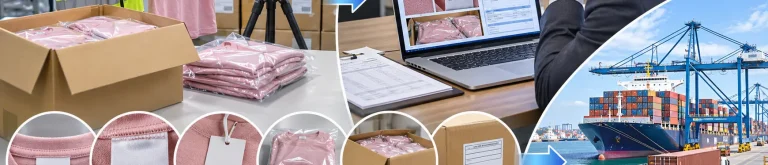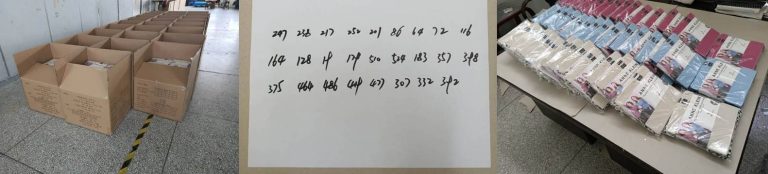
Children’s bath toys are designed to make bathing enjoyable, but their regular exposure to water introduces quality and safety concerns that differ from those of ordinary toys. Poorly sealed components, trapped moisture, detachable small parts, and unsuitable materials can create risks for young children.
For importers sourcing bath toys from China, a structured inspection checklist helps identify manufacturing defects and verify finished products against approved specifications. Effective toy quality control should address not only appearance and functionality but also water-related risks and applicable safety requirements.
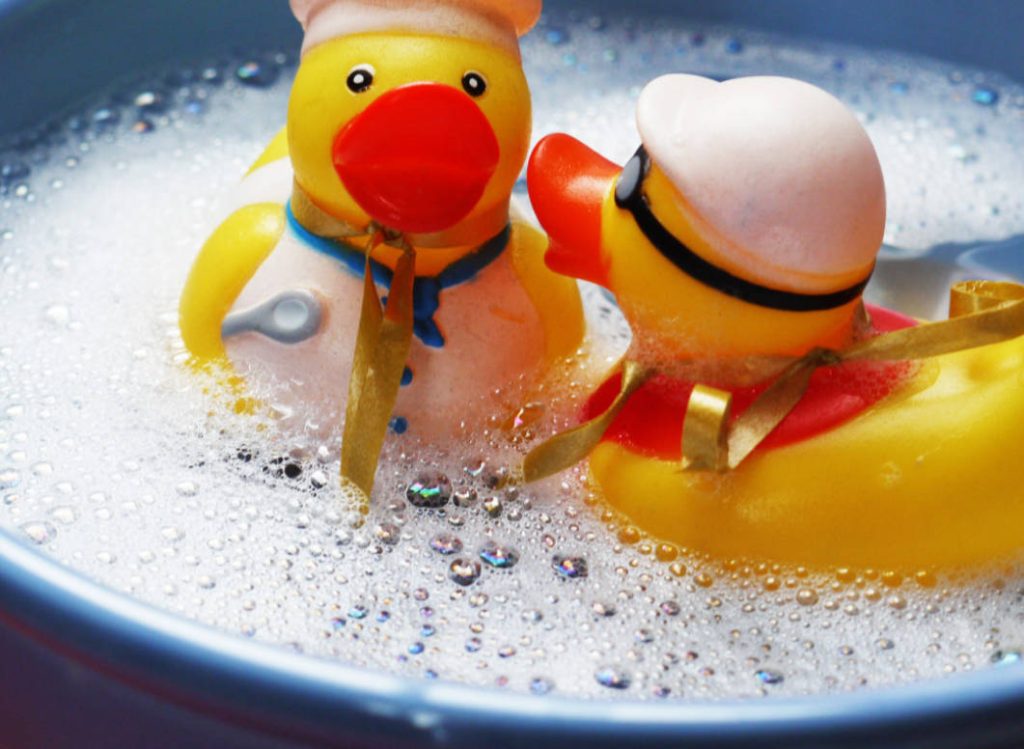
1. Material Safety and Chemical Requirements
Bath toys are commonly manufactured from PVC, silicone, rubber, and other plastic materials. Since young children may frequently put toys in their mouths, material safety is particularly important.
Inspectors should verify the materials against approved specifications and review available supplier documentation.
Depending on the destination market, relevant requirements may include:
- EN 71-1 and EN 71-3 for mechanical safety and migration of certain elements
- ASTM F963 and applicable CPSIA requirements for the United States
- Relevant provisions of the ISO 8124 toy safety standards
- Applicable restrictions on phthalates and other hazardous substances
Visual inspection cannot establish chemical compliance. Where required, representative samples should undergo laboratory testing by qualified testing facilities.
2. Water Leakage and Moisture Retention
One of the most important considerations for bath toys is their ability to resist unwanted water penetration or allow effective drainage.
Hollow toys with small openings may collect water internally. If moisture remains trapped, it can encourage microbial growth and create hygiene problems during repeated use.
Inspection points should include:
- Checking the integrity of sealed joints and openings
- Testing for unintended water entry or leakage
- Verifying drainage features where applicable
- Examining internal cavities for visible contamination
- Confirming that the design matches approved samples
For squeeze toys designed to draw in and release water, inspectors should verify that the intended function operates correctly. However, a simple water test cannot establish long-term resistance to mold or bacterial growth.
3. Small Parts and Mechanical Safety
Bath toys are frequently intended for infants and toddlers, making mechanical safety essential.
Inspectors should examine detachable components, decorative accessories, suction cups, and other attached parts that could become separated during use.
Important checks include:
- Small parts and potential choking hazards
- Sharp points, sharp edges, and molding burrs
- Secure attachment of assembled components
- Cracks, deformation, and structural weakness
- Accessible openings that could trap fingers
Where required, mechanical safety testing should follow the applicable standard and age classification.
Any suspected safety-related defect should be documented and escalated for further evaluation.
4. Appearance and Workmanship Inspection
Consistent workmanship is important for both product safety and customer satisfaction.
During pre-shipment inspection, inspectors compare randomly selected products with approved samples, technical specifications, and purchase order requirements.
Typical workmanship defects include uneven colors, surface scratches, excess molding flash, poor printing, deformation, and visible contamination.
Inspectors should also verify product dimensions, weight, color combinations, and the completeness of multi-piece bath toy sets.
Defects are classified according to agreed acceptance criteria. Safety-related problems require particular attention regardless of the overall appearance quality.
5. Functional and Durability Checks
Bath toys must perform their intended functions reliably during normal use.
Depending on the product design, practical on-site checks may include:
- Floating performance and stability
- Squeezing and water-spraying functions
- Suction cup attachment performance
- Assembly and component security
- Resistance to repeated manual operation
- Basic water immersion checks
Testing procedures should be established according to the product specifications and available inspection equipment.
More specialized durability or safety tests may require controlled laboratory conditions.
6. Packaging, Labeling, and Age Grading
Incorrect packaging or safety information can create compliance problems even when the products themselves appear acceptable.
Inspectors should verify that packaging matches approved artwork and includes the required product identification, age grading, warnings, and manufacturer or importer information.
Additional checks include barcode readability, retail package sealing, carton quantities, shipping marks, and packaging protection.
For products intended for children under three years old, particular care is needed when assessing small parts and age-related safety requirements.
7. Sampling and Inspection Results
Random sampling provides a practical method for evaluating finished bath toys before shipment.
A commonly used inspection approach follows ANSI/ASQ Z1.4, General Inspection Level II, with AQL limits of Critical 0, Major 2.5, and Minor 4.0.
However, AQL sampling does not replace mandatory product safety testing or guarantee that every unit is free from defects.
Inspection reports should identify defects, record test results, include supporting photographs, and clearly distinguish observed product quality from independently verified regulatory compliance.
How NBNQC Supports Bath Toy Importers
NBNQC provides independent third-party inspection services across mainland China, helping buyers verify bath toy quality before shipment.
Our inspectors evaluate appearance, workmanship, functionality, labeling, packaging, and agreed on-site checks according to customer requirements.
Where specialized chemical or mechanical compliance testing is necessary, buyers should arrange appropriate laboratory testing in addition to routine factory inspection.
Conclusion
Bath toy inspection requires particular attention to water retention, material safety, mechanical hazards, and product functionality.
By combining clear specifications, appropriate safety testing, and independent pre-shipment inspection, importers can reduce quality risks and make more informed shipment decisions.