Buying a used excavator from China can reduce equipment acquisition costs, but it also involves risks related to mechanical condition, operating history, and hidden defects. Unlike new machinery, second-hand excavators may have experienced years of heavy operation, repairs, or component replacements.
Before completing a purchase, buyers should arrange a thorough used machinery inspection to verify the equipment’s actual condition and identify potential problems. A structured inspection checklist helps buyers evaluate whether the machine matches the seller’s description and agreed requirements.
Here are eight essential checks when inspecting a used excavator before shipment.
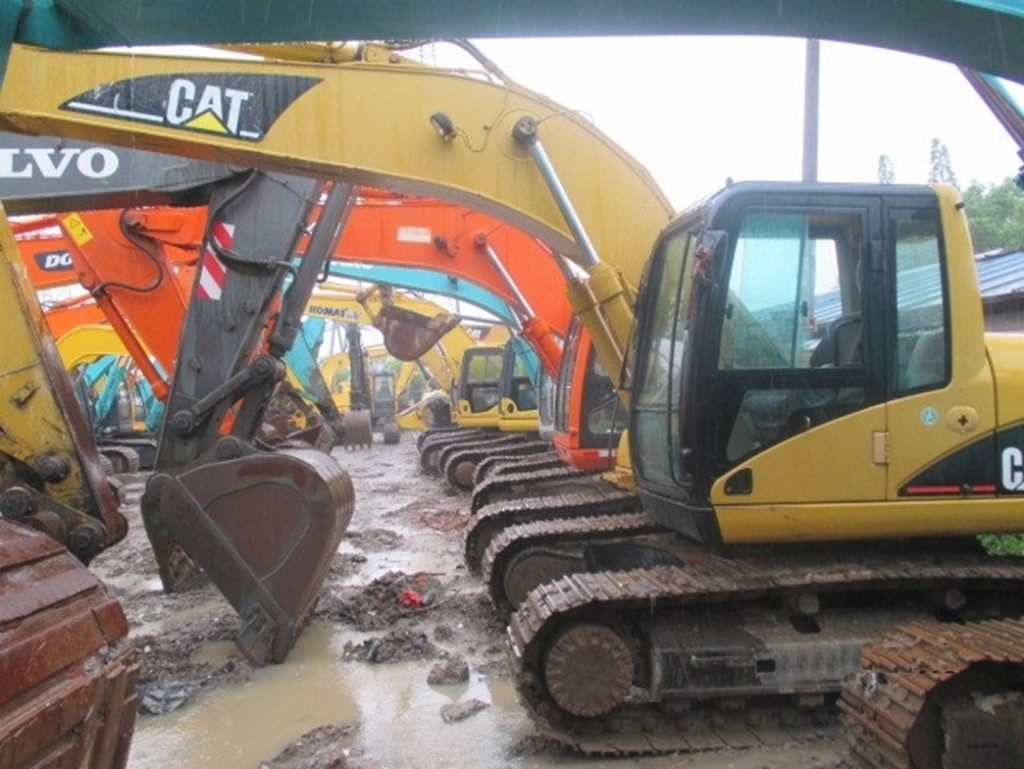
1. Verify Machine Identity and Operating Hours
The first step is confirming that the excavator matches the information provided by the seller.
Inspectors should verify:
- Manufacturer, model, and serial number.
- Manufacturing year and equipment identification plate.
- Engine model and identification details.
- Displayed operating hours.
- Available maintenance and service records.
Operating hours provide useful information about equipment usage, but hour meters may have been replaced or altered. Buyers should compare the displayed hours with the machine’s physical condition and available records.
Significant inconsistencies require further investigation.
2. Inspect the Engine and Starting Performance
The engine is one of the most expensive components to repair or replace.
During inspection, check for visible oil leaks, damaged hoses, abnormal noises, excessive vibration, and signs of previous repairs.
Where operating conditions permit, perform both cold-start and warm-start checks. Observe whether the engine starts normally and runs smoothly.
Unusual exhaust smoke, unstable idling, overheating, or abnormal sounds may indicate mechanical problems requiring further diagnosis.
3. Examine the Hydraulic System
Hydraulic performance directly affects an excavator’s digging power, lifting capability, and operating efficiency.
Inspect hydraulic pumps, cylinders, hoses, connections, and accessible components for leakage, damage, or deterioration.
During functional testing, operate the boom, arm, bucket, and swing functions to check movement consistency and responsiveness.
Warning signs include slow movements, jerking, unusual noises, and excessive hydraulic oil leakage.
A basic operational check cannot establish the complete condition of internal hydraulic components. Specialized pressure testing may be necessary when performance concerns arise.
4. Check the Undercarriage and Tracks
The undercarriage is subject to significant wear, particularly when excavators operate on rough or abrasive surfaces.
Inspectors should examine:
- Track chains and shoes.
- Rollers, sprockets, and idlers.
- Track tension and alignment.
- Visible cracks, deformation, and missing components.
Excessive wear may indicate that major undercarriage components require replacement.
For wheeled excavators, inspect tire condition, steering components, and visible axle assemblies instead.
5. Examine the Boom, Arm, and Bucket
Structural components experience repeated loading during excavation work.
Inspect the boom, arm, bucket, and attachment connections for cracks, deformation, excessive wear, and evidence of previous welding repairs.
Pay particular attention to high-stress areas, including pin connections and welded joints.
Excessive clearance between pins and bushings may indicate wear that affects operating precision.
Visible inspection can identify obvious structural concerns, but suspected cracks may require appropriate non-destructive testing.
6. Test Travel, Swing, and Operating Functions
A pre-shipment inspection should include practical operational checks whenever safe testing conditions are available.
Operate the excavator through its accessible working functions, including travel, swing, boom movement, arm movement, and bucket operation.
Check for abnormal vibration, unusual noises, inconsistent movement, and warning indicators.
Safety-related controls, including emergency shutdown functions and operator warning systems, should also be examined where applicable.
Testing under actual working loads may provide additional information, but it requires suitable facilities, qualified operators, and agreed testing procedures.
7. Inspect the Cabin and Electrical Systems
The operator’s cabin and electrical components influence usability and safe operation.
Inspect the control levers, pedals, dashboard, display, switches, and visible wiring.
Verify accessible functions such as lighting, warning indicators, horn, and monitoring displays.
Also examine the seat, seat belt, windows, mirrors, and cabin structure for visible damage.
Missing safety equipment, electrical faults, or abnormal warning messages should be documented for buyer evaluation.
8. Verify Documents and Shipping Readiness
Before shipment, buyers should confirm that the excavator’s identity and condition match the purchase agreement.
Important documents may include the commercial invoice, equipment identification details, maintenance records, and other documents required by the destination country.
Import restrictions, emissions requirements, and applicable safety regulations should be confirmed separately.
For large excavators, transportation arrangements may require special equipment or loading methods.
Arranging container loading supervision or appropriate loading verification can help buyers confirm equipment identity, visible condition, and loading arrangements before dispatch.
Conclusion
Purchasing a used excavator requires careful evaluation of mechanical condition, structural integrity, hydraulic performance, and operating functions.
A detailed inspection helps buyers identify visible defects, verify seller information, and make informed purchasing decisions before equipment leaves China.
NBNQC provides independent inspection services across mainland China, including customized checks for industrial and construction machinery. Inspection scope and specialized testing requirements should be confirmed before booking to ensure that the assessment matches the buyer’s needs.