Table tennis rackets require careful quality control because their performance depends on multiple factors, including material selection, assembly quality, surface condition, and durability.
For importers and brands sourcing table tennis rackets, quality problems such as damaged surfaces, loose handles, poor rubber adhesion, or incorrect specifications can result in customer complaints, returns, and additional costs.
A professional product inspection service helps buyers verify finished product quality, identify potential defects, and confirm that products meet agreed requirements before shipment.
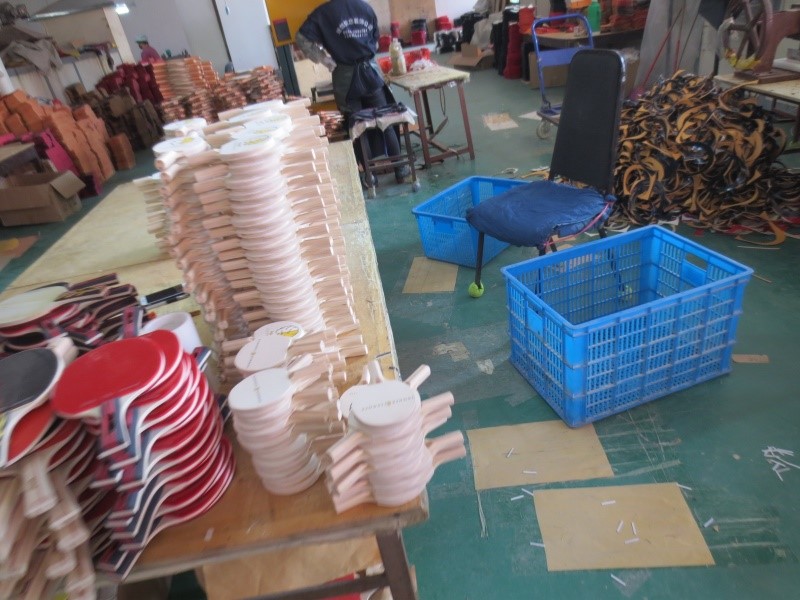
Why Table Tennis Racket Inspection Matters
Although table tennis rackets are relatively simple in structure, each component affects the overall user experience.
A racket usually includes:
- Wooden blade
- Rubber surface
- Handle
- Edge tape
- Packaging materials
Quality issues in any part of the product may affect:
- Playing performance
- Product durability
- Customer satisfaction
- Brand reputation
Conducting inspection before shipment allows buyers to identify problems while suppliers still have the opportunity to make corrections before delivery.
Common Defects Found During Table Tennis Racket Inspection
During inspection, inspectors typically evaluate appearance, workmanship, materials, dimensions, and product functionality.
Appearance Defects
Visual appearance is an important inspection point, especially for retail products.
Common defects include:
- Scratches or dents on the blade surface
- Uneven finishing
- Printing defects
- Color differences
- Damaged edges
- Surface contamination
These defects may affect product appearance and customer acceptance.
Assembly and Workmanship Issues
Poor assembly quality may influence product strength and performance.
Common workmanship problems include:
- Loose handle connection
- Incorrect component assembly
- Poor edge tape application
- Excess glue residue
- Uneven rubber attachment
A detailed inspection helps identify these issues before products reach the market.
Rubber Surface Quality Problems
The rubber surface directly affects racket performance and requires careful checking.
Inspection points may include:
- Rubber adhesion
- Surface damage
- Rubber positioning
- Thickness consistency
- Cleanliness
Poor rubber bonding may cause peeling problems during use.
Key Quality Checks for Table Tennis Rackets
A complete table tennis racket inspection program depends on product specifications and buyer requirements.
Material Verification
Inspectors verify whether materials match approved samples or specifications, including:
- Blade material
- Rubber type
- Handle material
- Accessories
Material consistency is important for maintaining stable product performance across production batches.
Dimension and Weight Inspection
Product measurements help confirm manufacturing consistency.
Typical checks include:
- Overall racket size
- Blade thickness
- Handle dimensions
- Product weight
Incorrect dimensions or weight may affect product performance and customer expectations.
Functional and Performance Checks
Depending on customer requirements, functional checks may include:
- Handle strength verification
- Rubber adhesion testing
- Surface flatness checks
- Bounce performance checks
Testing requirements should be confirmed before inspection to ensure the evaluation matches the intended product application.
Packaging and Label Inspection
Packaging inspection helps prevent problems during storage, transportation, and retail distribution.
Checks may include:
- Product quantity
- Packaging condition
- Barcode accuracy
- Shipping marks
- Labels and instructions
Pre-Shipment Inspection Process for Table Tennis Rackets
A typical inspection process includes:
- Reviewing product specifications and approved samples
- Selecting samples according to the inspection standard
- Performing appearance and workmanship checks
- Verifying dimensions and functional requirements
- Checking packaging and labeling
- Recording findings with photos and inspection results
For larger production orders, pre-shipment inspection provides buyers with an independent quality assessment before shipment.
Reduce Quality Risks with Third-Party Inspection
For importers purchasing table tennis rackets from suppliers, third-party inspection helps provide an objective evaluation of product quality.
A professional inspection can help verify:
- Product specifications
- Workmanship quality
- Material consistency
- Functional requirements
- Packaging condition
Using a structured quality control process helps buyers reduce defects, improve supplier communication, and maintain consistent product standards for repeat orders.
Conclusion
Table tennis racket inspection helps buyers confirm that products meet quality expectations before shipment.
By checking materials, workmanship, dimensions, functionality, and packaging, importers can identify potential issues early and reduce the risk of customer complaints after delivery.
A reliable inspection process supports better supplier management and helps ensure that finished products are ready for the market. NBNQC provides inspection solutions for importers and brands, helping verify product quality and reduce shipment risks through professional third-party inspection services.