Socks pre-shipment inspection is an important quality control process for importers, retailers, and brands sourcing socks from China. It helps verify product workmanship, sizing, materials, functionality, and packaging before goods leave the factory.
Although socks appear relatively simple, manufacturing defects such as uneven knitting, incorrect sizing, poor elasticity, and loose threads can affect comfort, durability, and customer satisfaction.
Professional pre-shipment inspection helps buyers identify these issues before shipment and reduce the risk of receiving defective products.
Why Is Socks Pre-Shipment Inspection Important?
Socks are manufactured using different yarns, knitting techniques, and finishing processes. Variations in production can result in inconsistent quality between styles, colors, and sizes.
Common quality problems include:
- Holes, broken yarns, and knitting defects
- Uneven stitching or poorly finished toe seams
- Incorrect dimensions or inconsistent sizing
- Poor elasticity or loose cuffs
- Color differences, stains, or contamination
- Incorrect labels, assortments, or packaging
An independent inspection provides buyers with objective findings to support shipment decisions.
Key Quality Checks During Socks Inspection
1. Appearance and Workmanship Inspection
Inspectors examine randomly selected socks for visible defects and workmanship problems.
Typical checks include:
- Holes, dropped stitches, and broken yarns
- Loose threads and uneven knitting
- Defective toe seams or heel construction
- Stains, dirt marks, and color inconsistencies
- Misaligned patterns, logos, or embroidery
- Uneven sock lengths within the same pair
The inspected products are compared with approved samples, technical specifications, and the buyer’s quality requirements.
2. Size and Measurement Verification
Accurate sizing is essential for comfort and proper fit.
Depending on the sock design, inspectors measure:
- Foot length and foot width
- Leg or overall sock length
- Cuff width and opening
- Heel-to-toe dimensions
- Ribbed section length
Measurements are compared with the buyer’s size chart and specified tolerances.
Inspectors also verify that paired socks have consistent dimensions and that size labels match the actual products.
3. Material and Fabric Quality Checks
Socks may contain cotton, polyester, nylon, wool, spandex, or blended yarns.
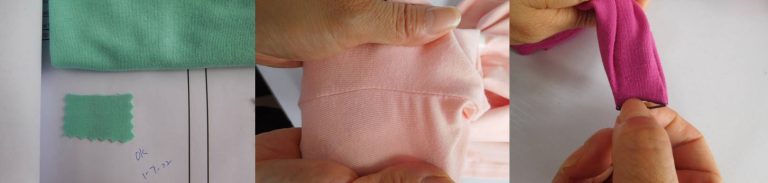
During socks quality inspection, inspectors check material appearance, knitting consistency, fabric texture, and visible yarn defects.
Material information is checked against product specifications and labeling requirements. Laboratory testing may be necessary to verify actual fiber composition.
4. Elasticity and Functional Testing
Elasticity directly affects sock comfort, fit, and durability.
Depending on the product and inspection requirements, on-site tests may include:
- Cuff stretching and recovery checks
- Elasticity comparison against approved samples
- Seam strength and workmanship checks
- Pair matching and fitting verification
- Colorfastness screening tests, where applicable
Specialized performance claims, such as moisture-wicking or compression levels, may require laboratory testing.
5. Labeling and Packaging Inspection
Inspectors verify that each pair is correctly folded, matched, labeled, and packed.
Important checks include:
- Size, material, and care labels
- Brand logos and barcode accuracy
- Correct colors and size assortments
- Packaging quantities per polybag or carton
- Carton dimensions, shipping marks, and packing quality
Packaging must follow the buyer’s approved instructions and purchase order requirements.
AQL Sampling Standards for Socks Inspection
Socks pre-shipment inspections commonly follow ISO 2859-1 or ANSI/ASQ Z1.4 sampling standards.
General Inspection Level II is frequently used, with typical AQL limits of:
- Critical defects: 0
- Major defects: 2.5
- Minor defects: 4.0
Major defects may include holes, significant size deviations, or defective seams. Minor defects may include small loose threads or slight cosmetic imperfections.
Defect classification and acceptance criteria should be agreed upon before inspection.
When Should Socks Be Inspected?
Pre-shipment inspection is normally arranged when at least 80% of production is completed and sufficient finished goods are available for random sampling.
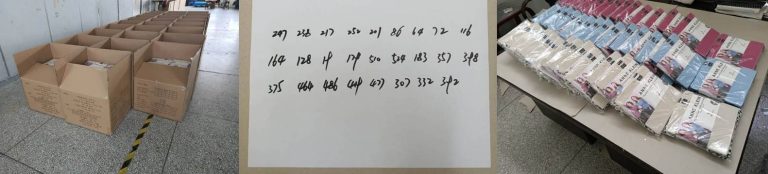
Inspectors select samples, verify quantities, conduct workmanship and measurement checks, perform applicable tests, and document findings with photographs.
The inspection report summarizes defects, test results, and overall findings, allowing buyers to determine whether corrective actions or re-inspection are necessary.
Socks Quality Control Services in China
Effective quality control in China helps international buyers maintain consistent product quality and reduce shipment risks.
NBNQC provides independent third-party socks inspection services across China, covering workmanship, measurements, materials, functionality, and packaging.
Our inspectors provide detailed reports with photographic evidence to help buyers evaluate their orders before shipment.
Contact NBNQC to arrange a professional socks pre-shipment inspection for your next order.