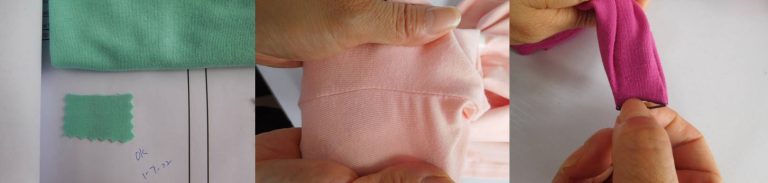
Color fading and color transfer are common quality problems in garment manufacturing. A garment may match the approved color sample when it leaves the factory but lose color after washing, rubbing, or exposure to other conditions. In some cases, excess dye may transfer onto other garments, accessories, or the wearer’s skin.
For apparel brands, importers, and retailers, these problems can lead to customer complaints, product returns, and reputational damage. Understanding the causes of poor color fastness and establishing suitable testing procedures can help buyers identify risks before shipment.

1. Understand the Difference Between Color Fading and Color Transfer
Color fading occurs when a garment loses some of its original color due to washing, light exposure, rubbing, or other environmental factors.
Color transfer happens when dye moves from one material to another. For example, dark denim may stain a light-colored bag or upholstery, while a colored garment may release dye during washing and discolor other clothes.
These problems are related but require different evaluation methods. Buyers should distinguish garment color fastness from shade matching: shade matching checks whether the bulk color meets the approved reference, while color fastness evaluates how well the color withstands specific conditions.
2. Select Suitable Fabrics, Dyes, and Finishing Processes
Color performance depends on several factors, including fiber composition, dye selection, dyeing conditions, and finishing treatments. Different fibers require different dye systems, and an unsuitable combination may result in poor color retention or excessive dye release.
Manufacturers should follow approved material specifications and establish consistent dyeing parameters, including temperature, processing time, dye concentration, and washing or rinsing procedures.
Insufficient rinsing may leave unfixed dye on the fabric surface, increasing the risk of color transfer. Appropriate finishing processes can improve performance, but their effectiveness should be verified through testing rather than assumed.
For multi-component garments, the main fabric, lining, ribbing, embroidery, prints, and other trims may respond differently to washing or rubbing. Each relevant material should be considered when defining the testing requirements.
3. Identify the Main Color Fastness Risks
Different end-use conditions create different risks. Common checks include:
Washing Fastness
Washing fastness evaluates whether a garment’s color changes or transfers during laundering. Poor performance may cause fading, staining of adjacent fabrics, or inconsistent appearance after repeated washing.
The test method should reflect the product’s intended care instructions and applicable buyer requirements.
Rubbing Fastness
Rubbing fastness measures the tendency of color to transfer through friction. Both dry and wet rubbing may be relevant because moisture can increase dye transfer in some materials.
This check is particularly important for dark-colored garments, denim, and products that may come into frequent contact with lighter fabrics.
Perspiration Fastness
Perspiration fastness assesses color stability when exposed to simulated perspiration. It can be relevant for sportswear, shirts, uniforms, and garments worn close to the skin.
Light Fastness
Light fastness evaluates resistance to color change under specified light exposure. It may be particularly important for outdoor clothing and products expected to remain exposed to sunlight.
These tests are not interchangeable. A garment that performs well in washing may still have poor rubbing or light fastness.
4. Establish Clear Testing Requirements
Before bulk production, buyers should identify the required tests, applicable methods, and acceptance criteria. Requirements may depend on the garment category, fiber composition, intended use, destination market, and brand standards.
Where applicable, recognized methods such as ISO 105-C06 for washing fastness, ISO 105-X12 for rubbing fastness, ISO 105-E04 for perspiration fastness, and ISO 105-B02 for artificial light exposure can be specified.
The exact method, test conditions, and acceptance level should be agreed in advance. Buyers should not assume that one universal pass level applies to every garment.
For products with strict performance requirements, laboratory testing is generally more appropriate than relying solely on visual inspection or simple on-site checks.
5. Verify Color Performance Before Shipment
A practical prevention plan begins with approved fabric references, clear material specifications, and documented testing requirements. Where color fastness is critical, request test reports from the supplier and verify that the reports correspond to the actual material, color, and production batch.
During a garment quality inspection, inspectors can check product appearance, compare colors with approved references, review available test documentation, and perform agreed on-site checks where suitable equipment and methods are available.
However, visual inspection alone cannot establish formal color fastness performance. If laboratory testing is required, representative samples should be submitted to a qualified laboratory before shipment approval.
When a test fails, the supplier should investigate the cause, assess the affected quantity, and propose corrective action. Depending on the findings, this may involve reprocessing, replacing materials, segregating affected goods, or repeating the test.
6. Maintain Consistent Quality Across Production Batches
Color performance should be monitored throughout production rather than checked only at the end. Changes in dye lots, fabric suppliers, finishing processes, or material composition may affect the final result.
Buyers should require suppliers to identify production batches and maintain traceable material records. Additional checks may be appropriate when changing colors, introducing new materials, or repeating orders with a history of quality problems.
Combining suitable testing with independent apparel quality assurance helps buyers identify potential problems early and make informed decisions before goods are released for shipment.
Conclusion
Preventing color fading and color transfer requires suitable materials, controlled dyeing and finishing processes, clear testing requirements, and verification of production results. By identifying color fastness risks before shipment, buyers can reduce avoidable complaints and improve garment performance during normal use.
NBNQC provides garment inspection services across mainland China, including checks against approved samples, buyer specifications, and agreed inspection requirements. Where specialized color fastness testing is needed, buyers should arrange appropriate laboratory testing in addition to routine product inspection.