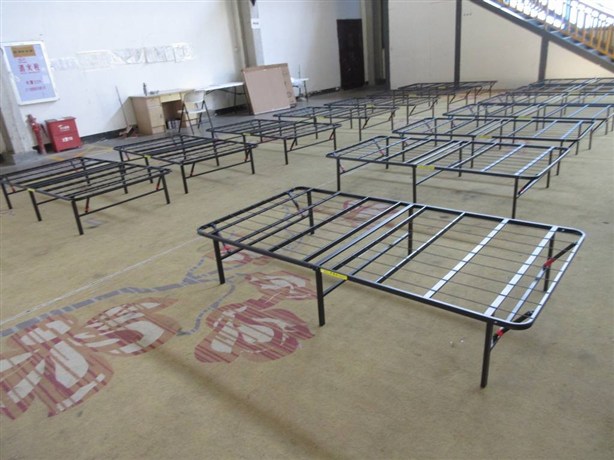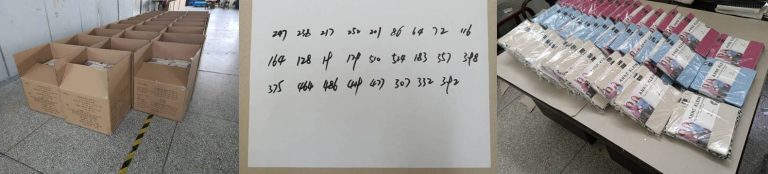
Importers need more than a supplier’s confirmation that an order is ready. They need independent evidence that product quality, quantity, packaging and labeling meet the agreed requirements before shipment.
A third-party inspection service provides this verification. However, inspection providers differ in product expertise, service scope, reporting quality, response time and cost. Understanding these differences helps buyers choose the right provider instead of comparing quotations by price alone.
What Is a Third-Party Inspection?
A third-party inspection is an independent assessment performed by an organization that is not the buyer or supplier. It verifies whether products, production processes or loading conditions meet the buyer’s specifications.
Common services include:
- Initial production checks for materials, components and early production.
- During production inspections to identify problems before manufacturing is completed.
- Pre-shipment inspections for finished products before shipment.
- Full inspections when every unit must be checked.
- Container loading supervision for quantity, container condition and loading verification.
- Manufacturing audits to evaluate factory capabilities and quality systems.
The appropriate service depends on the product, production stage, supplier history and potential cost of receiving defective goods.
Types of Third-Party Inspection Providers
Global Testing and Certification Groups
Large international organizations provide inspection, laboratory testing, certification, technical consulting and compliance services.
They are generally suitable for regulated products, formal certification and projects requiring coordinated services across several countries. Their broad capabilities and laboratory networks usually come with higher service fees.
Buyers should still confirm that the assigned inspector has relevant product experience. A recognized company name does not guarantee that every inspector has the same technical background.
Independent Inspection Specialists
Independent inspection companies focus mainly on product inspections, supplier audits and loading supervision. They often provide more flexible scheduling, direct communication and competitive pricing.
Many maintain inspector networks near major manufacturing areas, reducing travel costs and improving response times. They can be a practical choice for importers requiring routine inspections and product-specific experience.
Quality varies between providers, so buyers should verify how inspectors are selected, whether checklists can be customized and whether reports are reviewed before release.
Online Inspection Platforms
Online platforms connect buyers with inspectors through digital booking and reporting systems. They may offer competitive pricing, efficient administration and broad coverage.
Service consistency depends on how inspectors are recruited, assigned and supervised. Buyers should confirm whether the platform matches inspectors by product expertise and conducts internal report reviews.
How to Compare Inspection Companies
Product Experience
The assigned inspector should understand the relevant product category. An inspector experienced with garments may not be qualified to evaluate electrical products, machinery or precision components.
Ask whether the inspector has handled similar products and understands the required workmanship checks, measurements, functions and safety risks.
Sampling Method
For random inspections, confirm the sampling standard, inspection level and Acceptable Quality Limit.
Many consumer-product inspections use ISO 2859-1 or ANSI/ASQ Z1.4. The order quantity, inspection level and AQL determine the sample size and acceptance limits.
Buyers can use an AQL sampling calculator to review the expected sample size before booking.
Inspection Checklist
The checklist should reflect the purchase order, specifications, approved sample, packaging requirements and known product risks.
Typical checkpoints include:
- Quantity and assortment
- Dimensions, weight and materials
- Workmanship and visual defects
- Functional and safety tests
- Barcode and label verification
- Packaging and carton markings
- Product and defect photographs
A generic checklist may not adequately address the risks of a specific product.
Reporting and Review
A useful inspection report should clearly show:
- Production status and sampling details
- Results for each checkpoint
- Defect classifications and quantities
- Measurements and test results
- Product, packaging and defect photographs
- A conclusion based on the agreed criteria
Ask whether reports are reviewed internally before delivery. A quality review helps identify missing evidence, unclear findings and inconsistencies between inspection results and the final conclusion.
Response Time and Total Cost
Factories frequently change production schedules. Providers with inspectors near major manufacturing regions can usually respond more efficiently.
Before booking, confirm:
- Required advance notice
- Report delivery time
- Cancellation and rescheduling terms
- Whether travel and accommodation are included
- Charges for urgent, weekend or holiday assignments
Inspection fees are commonly quoted per man-day, but product complexity, factory location, sample size, number of SKUs and required tests can affect the final cost.
Working With NBNQC
NBNQC provides independent third-party inspection services, supplier audits and loading supervision for importers, brands and retailers.
Our inspectors cover major manufacturing regions and are assigned according to product category and factory location. Reports include photographs, defect records, test results and a conclusion based on the buyer’s approved requirements.
Click request a quote or send us the product information, order quantity, inspection requirements by email.