NBNQC is a leading provider of footwear inspection in China, our team of inspection experts is well-versed in various quality standards for different types of shoes. In this article, we aim to share the definitions and classifications of common footwear defects found during inspections. By understanding these defects, manufacturers, suppliers, and buyers can better ensure the production and purchase of high-quality shoes.
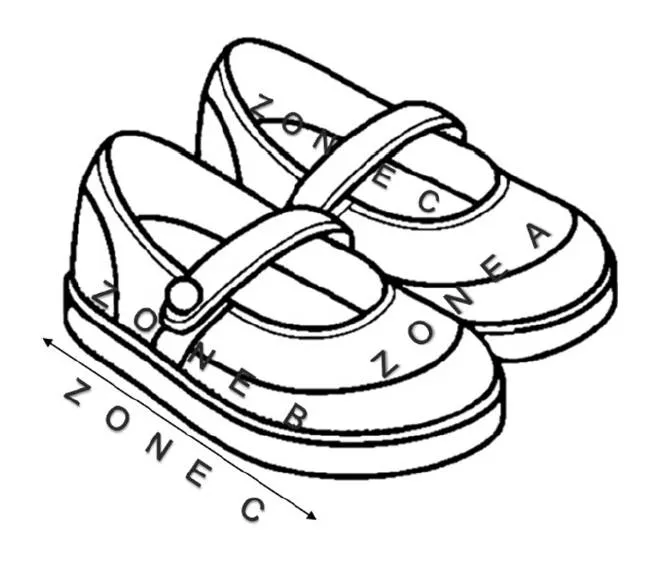
1. Material Defects:
1.1. Upper Defects:
- Wrinkles and creases: Unwanted folding or bending of the upper material.
- Uneven texture: Inconsistencies in the surface texture of the upper material.
- Discoloration: Changes in color or staining on the upper material.
- Fading: Loss of color intensity due to exposure to light or other factors.
- Abrasions: Scratches or marks on the upper material.
1.2. Sole Defects:
- Delamination: Separation of the sole layers.
- Cracking: Formation of visible cracks on the sole material.
- Uneven thickness: Variation in the thickness of the sole material.
- Poor bonding: Insufficient adhesion between the sole and upper material.
- Sole deformation: Any irregular shape or contour of the sole material.
1.3. Lining Defects:
- Loose lining: Detachment or looseness of the inner lining material.
- Wrinkles: Unwanted folds or ridges in the lining material.
- Inconsistent color: Variation in the color of the lining material.
- Discoloration: Changes in color or staining on the lining material.
- Poor stitching: Irregular or loose stitching on the lining material.
2. Construction Defects:
2.1. Stitching Defects:
- Skipped stitches: Missing or omitted stitches in the shoe construction.
- Uneven stitching: Inconsistent stitch length or tension.
- Loose threads: Excessive loose threads hanging from the stitching.
- Misaligned seams: Seams that are not properly aligned or matched.
- Frayed stitches: Threads that have unraveled or become worn.
2.2. Adhesive Defects:
- Insufficient bonding: Inadequate adhesion between different shoe components.
- Excessive glue: Overapplication of adhesive resulting in visible excess.
- Glue stains: Spots or marks caused by adhesive overflow or mishandling.
- Glue failure: Complete or partial separation of components due to adhesive failure.
- Glue residue: Residual adhesive that remains visible after bonding.
3. Functional Defects:
3.1. Sizing Defects:
- Inaccurate sizing: Shoes that do not conform to the specified size measurements.
- Inconsistent sizing: Variation in size among shoes of the same model or batch.
- Narrow fit: Shoes that are too tight or narrow for the intended foot size.
- Wide fit: Shoes that are too loose or wide for the intended foot size.
- Uneven fit: Variation in fit and comfort between the left and right shoes.
3.2. Comfort and Performance Defects:
- Lack of cushioning: Insufficient padding or cushioning inside the shoe.
- Poor arch support: Inadequate support for the arch of the foot.
- Slippery outsole: Lack of sufficient traction on the shoe’s outer sole.
- Insufficient flexibility: Shoes that do not provide enough flexibility for natural movement.
- Inadequate shock absorption: Poor ability to absorb impact or vibrations.
Understanding the definitions and classifications of common defects in footwear products is crucial for manufacturers, suppliers, and consumers. By identifying and addressing these defects, the quality and performance of shoes can be improved, resulting in greater customer satisfaction and brand reputation. NBNQC is committed to providing comprehensive quality inspection services to ensure the delivery of high-quality footwear products to customers worldwide.
If you need support with footwear quality inspection, feel free to contact us to learn more about our inspection process and services.