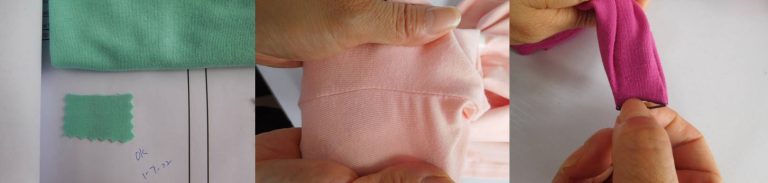
Cashmere garments are valued for their softness, warmth, lightweight comfort, and premium appearance. However, maintaining consistent quality during manufacturing can be challenging due to the delicate nature of cashmere fibers and knitted fabrics.
For international buyers sourcing cashmere sweaters, cardigans, scarves, and other knitwear, professional cashmere garment inspection helps identify material inconsistencies, workmanship defects, measurement problems, and labeling errors before shipment.
Understanding the key inspection requirements is essential for protecting product quality and reducing customer complaints.
1. Cashmere Fiber Composition and Material Quality
Fiber composition is one of the most important quality requirements for cashmere apparel.
Products labeled as 100% cashmere should meet the applicable fiber-content requirements of the destination market. Cashmere blends must also accurately declare their fiber composition.
During inspection, inspectors typically evaluate:
- Fabric softness, texture, and hand feel.
- Color consistency against approved samples.
- Knitting density and overall fabric appearance.
- Visible foreign fibers or contamination.
- Material consistency across different production batches.
Visual and tactile checks cannot reliably determine the actual cashmere percentage. Fiber composition verification requires appropriate laboratory testing, such as microscopic fiber identification using recognized textile testing methods.
Buyers should request reliable material test reports when fiber authenticity is a critical requirement.
2. Appearance and Workmanship Inspection
Cashmere knitwear requires careful workmanship inspection because small defects can significantly affect the appearance and durability of premium garments.
Common defects include:
- Holes, broken yarns, and dropped stitches.
- Uneven knitting or irregular stitch density.
- Snags, pulled yarns, and visible repairs.
- Loose threads and poorly finished seams.
- Stains, contamination, or noticeable color shading.
- Twisted garments or asymmetrical construction.
Inspectors should examine the front, back, sleeves, neckline, cuffs, and hem of each selected garment.
Special attention should be given to linking seams, where knitted panels are joined together. Poor linking may cause open seams, visible irregularities, or reduced seam durability.
A systematic garment workmanship inspection helps buyers identify these problems before products reach retail markets.
3. Measurements and Dimensional Accuracy
Accurate sizing is essential for maintaining consistent fit across cashmere garment production.
Inspectors measure selected garments against the buyer’s approved size specifications and tolerances.
Common measurement points include:
- Chest width and body length.
- Shoulder width and sleeve length.
- Sleeve opening and cuff width.
- Neck opening and hem width.
Measurements should be taken using the specified garment positioning and measuring method.
Cashmere knitwear can stretch or deform during handling, making consistent measurement procedures particularly important.
Any out-of-tolerance measurements should be recorded clearly in the inspection report.
4. Pilling, Shrinkage, and Colorfastness
Cashmere garments may develop surface fuzz or pills during wear due to fiber friction. Excessive pilling can negatively affect product appearance and customer satisfaction.
Important performance tests include:
Pilling Resistance: Evaluates the tendency of fabric surfaces to develop pills under specified testing conditions, such as ISO 12945 methods.
Dimensional Stability: Measures shrinkage or dimensional changes after specified washing or cleaning procedures.
Colorfastness: Evaluates resistance to color transfer or fading during rubbing, washing, or other relevant conditions.
Seam Strength: Assesses the durability of garment seams where applicable.
These tests generally require appropriate laboratory equipment and controlled procedures. Routine factory inspections may include basic on-site checks but should not be considered substitutes for laboratory testing.
5. Labeling and Packaging Verification
Cashmere products often carry premium retail prices, making accurate labeling and appropriate packaging particularly important.
Inspectors should verify:
- Fiber composition and care labels.
- Brand labels, size labels, and hangtags.
- Country-of-origin information where required.
- Barcode accuracy and readability.
- Folding methods and individual packaging.
- Carton assortment, quantities, and shipping marks.
Care instructions should be consistent with the garment’s tested performance and applicable labeling requirements.
Packaging should also protect garments against moisture, contamination, excessive compression, and handling damage during transportation.
6. AQL Sampling and Defect Classification
During cashmere apparel quality control, finished garments are commonly evaluated using an agreed sampling plan.
ISO 2859-1 or ANSI/ASQ Z1.4 may be used to determine sample quantities and acceptance limits.
A commonly applied inspection arrangement is General Inspection Level II with AQL limits of:
- Critical defects: 0
- Major defects: 2.5
- Minor defects: 4.0
Defect classification should reflect the buyer’s approved quality standards.
For example, significant holes, open seams, or obvious garment deformation may be classified as major defects, while minor loose threads may be considered minor defects.
The final acceptance decision depends on the applicable sampling plan and inspection findings.
7. Pre-Shipment Inspection for Cashmere Garments
A professional pre-shipment inspection allows importers to verify finished cashmere garments before dispatch.
Inspectors check product appearance, workmanship, measurements, labeling, packaging, quantities, and applicable on-site tests.
The inspection report documents identified defects, measurement deviations, photographs, and overall inspection results.
For high-value cashmere products, early identification of defects can help suppliers complete corrective actions before shipment.
Conclusion
Effective cashmere garment inspection requires attention to fiber quality, knitting workmanship, dimensional accuracy, product performance, and labeling.
Combining material verification, laboratory testing where necessary, and systematic pre-shipment inspection helps buyers maintain consistent quality and reduce avoidable shipment risks.
For brands and importers sourcing cashmere apparel, clear product specifications and agreed acceptance criteria remain essential to reliable quality control.