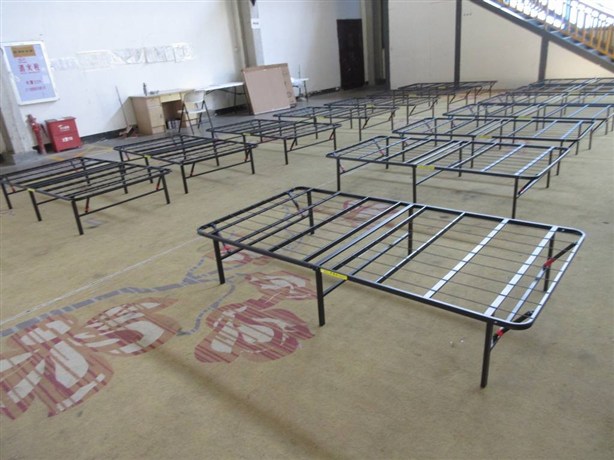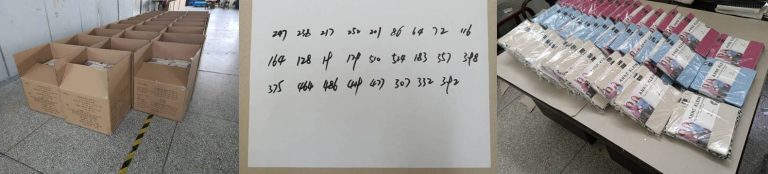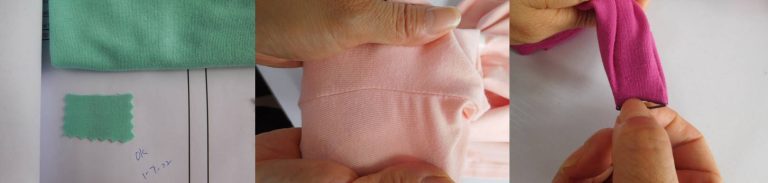
Third-party inspection gives buyers independent information about product quality, production status, and shipment readiness. Its value is not limited to identifying defective products. A properly planned inspection helps buyers detect problems earlier, verify supplier performance, reduce uncertainty, and make better decisions before goods leave the factory.
For importers, brands, retailers, and online sellers, independent quality control services provide visibility when production is managed remotely. The inspection report becomes an objective record connecting the buyer’s requirements with the actual condition of the goods.
Verify Products Against Agreed Requirements
A purchase order does not guarantee that bulk production will match the approved requirements. Differences may occur in materials, dimensions, colors, workmanship, functions, labels, or packaging.
During a product inspection, selected samples are checked against available references such as:
- Purchase orders and specification sheets
- Approved samples and artwork
- Drawings, dimensions, and tolerances
- Packaging and labeling requirements
- Buyer inspection checklists
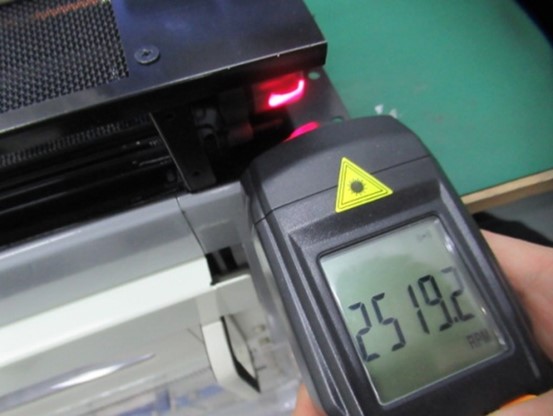
- Required functional and on-site tests
This verification helps identify whether the supplier has correctly implemented the buyer’s instructions. It also provides evidence when the actual products differ from the agreed specifications.
Detect Quality Problems Before Shipment
Quality issues are usually less expensive to resolve while the goods remain at the factory. Once defective products have been shipped, buyers may face returns, customer complaints, repacking, sorting, replacement, or disposal costs.
A Pre-Shipment Inspection is normally arranged when production is complete or nearly complete. The inspector checks randomly selected products for workmanship, appearance, quantity, dimensions, functionality, labeling, packaging, and other agreed requirements.
Finding problems before shipment gives the buyer an opportunity to request rework, replacement, sorting, or further verification. Although inspection cannot eliminate every risk, it can substantially reduce the chance of receiving goods with obvious defects or non-conformities.
Identify Problems Earlier in Production
Waiting until production is finished may limit the supplier’s ability to correct systematic issues without affecting the delivery schedule. When product design, materials, workmanship, or manufacturing processes present higher risks, earlier inspection provides greater control.
An Initial Production Check can verify materials, components, approved samples, and early production output. It helps confirm whether the factory has correctly understood the requirements before mass production advances.
A During Production Inspection examines finished and semi-finished goods while manufacturing is underway. It can reveal repeated defects, incorrect materials, inconsistent workmanship, slow production progress, or failure to implement previous corrective actions.
Early findings allow the buyer and supplier to address problems before they affect the entire order.
Support Better Shipment Decisions
One of the most important benefits of third-party inspection is providing factual information for decision-making. A professional report should show:
- Production status and available quantity
- Sample size and sampling method
- Defect types, quantities, and classifications
- Measurement and test results
- Packaging and labeling findings
- Photos of products, defects, tests, and cartons
- Unavailable checks or inspection limitations
The inspector records what was observed but does not make the buyer’s commercial decision. Based on the report, the buyer may approve shipment, place the order on hold, request corrective action, arrange re-inspection, or accept specific deviations.
This separation preserves the inspector’s independence while giving the buyer control over the final decision.
Measure Batch Quality Through AQL Sampling
Random sampling inspection provides a practical way to assess the general quality level of a production batch without checking every unit. Sample sizes and acceptance criteria are commonly selected according to ISO 2859-1 or ANSI/ASQ Z1.4.
Defects are generally classified as critical, major, or minor according to their effect on safety, function, regulatory compliance, appearance, and saleability. Buyers can use an AQL sampling calculator to understand how order quantity, inspection level, and selected AQL limits determine the sample size and acceptance numbers.
AQL inspection does not guarantee that every unit is defect-free. Its value is providing a structured and repeatable method for evaluating batch quality and comparing results across orders and suppliers.
For high-value, high-risk, or particularly sensitive products, buyers may instead choose a Full Inspection, in which every unit is checked according to the defined inspection criteria.
Improve Supplier Accountability
Suppliers generally manage production more carefully when they know finished goods will be independently verified. Clear inspection criteria create measurable expectations and reduce disagreement over subjective quality standards.
Inspection reports also provide a documented quality history. By comparing results across multiple orders, buyers can identify recurring defects, monitor whether corrective actions are effective, and evaluate changes in supplier performance.
This information supports supplier reviews and future sourcing decisions. It also helps buyers distinguish isolated production problems from repeated weaknesses in manufacturing or internal quality control.
Reduce Communication Gaps
International orders often involve different languages, technical interpretations, time zones, and working practices. Verbal agreements or email instructions may be understood differently by the buyer and factory.
A third-party inspector helps translate written requirements into observable inspection points. Measurements, defect counts, test results, and photographs make quality issues easier to understand than general descriptions such as “poor quality” or “not acceptable.”
Objective reporting creates a common factual basis for communication. Buyers and suppliers can then discuss corrective action using specific evidence rather than relying on assumptions.
Protect Brand Reputation and Customer Experience
Product defects affect more than the value of one shipment. They can lead to negative reviews, customer complaints, returns, delivery delays, regulatory concerns, and loss of trust.
Inspection helps buyers identify quality risks before products reach warehouses, stores, distributors, or consumers. Checks of product appearance, function, safety-related features, labels, barcodes, packaging, and shipping marks can prevent avoidable downstream problems.
For brands and retailers, consistent product quality supports customer confidence and protects the long-term value of the business.
Strengthen the Overall Quality Control Process
Third-party inspection should not replace the supplier’s own quality control system. Its greatest value comes from providing independent verification at appropriate stages of production.
Buyers can use inspection findings to improve product specifications, refine inspection checklists, clarify defect classifications, strengthen supplier communication, and determine whether additional controls are needed for future orders. When supported by clear requirements and appropriate timing, third-party inspection becomes more than a final check. It provides visibility, evidence, and practical control throughout the purchasing process—helping buyers reduce quality risks and manage suppliers with greater confidence.