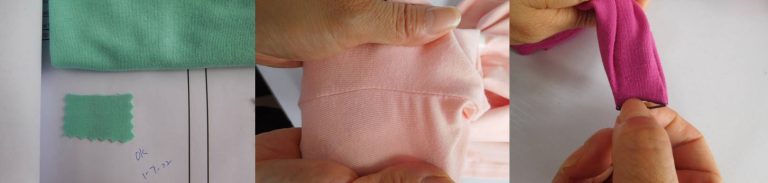
Apparel quality control is essential for ensuring that garments meet buyers’ specifications, maintain consistent workmanship, and satisfy customer expectations. For clothing brands and importers sourcing from overseas manufacturers, quality problems can lead to product returns, shipment delays, and additional costs.
Effective apparel quality control methods should cover every production stage, from raw material verification to final shipment approval. By identifying defects early and establishing clear inspection standards, buyers can reduce manufacturing risks and improve product consistency.
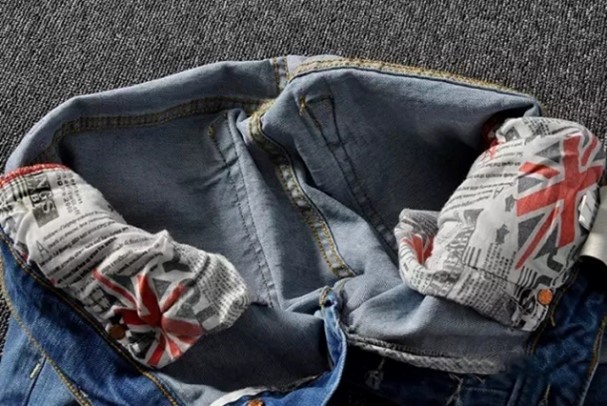
1. Raw Material Quality Control
Quality control begins before garment production, with the inspection of fabrics, trims, and accessories.
Fabric Inspection
Fabric quality directly affects garment appearance, durability, and performance. Common inspection points include:
- Fabric composition, weight (GSM), and construction.
- Color consistency and shade variation.
- Fabric width and usable quantity.
- Holes, stains, weaving defects, and printing problems.
- Shrinkage, colorfastness, and dimensional stability.
The 4-point system is commonly used for evaluating visible fabric defects. Buyers should establish acceptable defect limits before production.
Physical performance tests generally require laboratory equipment and should be conducted according to applicable testing standards.
Trims and Accessories
Buttons, zippers, elastic bands, labels, and other accessories should match approved specifications.
Inspectors verify their appearance, dimensions, color, functionality, and attachment requirements.
Professional fabric and trim inspection helps prevent unsuitable materials from entering mass production.
2. Initial Production Check (IPC)
An Initial Production Check is generally performed when approximately 0–20% of production has been completed.
Its primary purpose is to verify production readiness and identify potential problems before large-scale manufacturing.
Typical checks include:
- Availability and suitability of raw materials.
- Approved samples and technical specifications.
- Cutting patterns and initial garment measurements.
- First production samples and sewing workmanship.
- Production equipment and quality control arrangements.
Early identification of incorrect materials, measurements, or construction methods can prevent repeated defects across the entire order.
3. During Production Inspection (DPI)
During Production Inspection is typically conducted when approximately 20–80% of production has been completed.
At this stage, inspectors evaluate partially finished and completed garments to determine whether production quality remains consistent.
Important checkpoints include:
Cutting Accuracy: Verify pattern alignment, fabric grain direction, cutting dimensions, and matching of garment panels.
Sewing Quality: Check stitch consistency, seam allowances, thread tension, skipped stitches, and open seams.
Assembly Accuracy: Examine collars, cuffs, pockets, waistbands, and other components for correct positioning and symmetry.
Production Consistency: Compare selected garments across production batches to identify repeated defects or variations.
A systematic during production inspection helps manufacturers identify corrective actions while production is still underway.
4. Finished Garment Quality Inspection
Finished garments should be evaluated against approved samples, technical specifications, and buyer-defined quality standards.
Appearance and Workmanship
Common garment defects include:
- Open seams, broken stitches, and skipped stitches.
- Uneven stitching or excessive seam puckering.
- Loose or untrimmed threads.
- Fabric stains, holes, and snags.
- Incorrect colors, prints, or embroidery.
- Asymmetrical garment construction.
Inspectors should classify defects according to their severity and impact on appearance, functionality, and customer acceptance.
Measurements and Sizing
Garment measurements should be checked against the approved size chart and specified tolerances.
Typical measurement points include chest width, body length, shoulder width, sleeve length, waist, hip, and inseam.
Any out-of-tolerance measurements should be recorded in the inspection report.
Functional Checks
Depending on the garment design, inspectors may check zipper operation, button attachment, snap fasteners, elastic recovery, and seam durability.
Specialized performance tests, such as colorfastness or water resistance, may require laboratory verification.
5. Pre-Shipment Inspection and AQL Sampling
A Pre-Shipment Inspection (PSI) is generally performed when at least 80% of the order has been completed and the products are sufficiently available for inspection.
Inspectors randomly select samples according to an agreed sampling plan, commonly ISO 2859-1 or ANSI/ASQ Z1.4.
A frequently used arrangement is General Inspection Level II with the following AQL limits:
- Critical defects: 0
- Major defects: 2.5
- Minor defects: 4.0
Critical defects may involve serious safety risks, while major defects significantly affect product function, appearance, or saleability. Minor defects generally have limited impact on product usability.
AQL sampling provides a defined method for lot acceptance decisions but does not guarantee that every garment is defect-free.
6. Labeling, Packaging, and Shipment Verification
Final inspection should also verify product presentation and packing accuracy.
Typical checks include:
- Correct care labels, size labels, and fiber composition labels.
- Brand logos, hangtags, and barcode information.
- Packing assortment by style, color, and size.
- Individual packaging and protective materials.
- Export carton quantities, dimensions, and shipping marks.
These checks help prevent incorrect shipments and packaging-related customer complaints.
7. Benefits of Third-Party Apparel Inspection
Independent apparel quality inspection services provide buyers with objective verification of production quality.
Inspectors document defects, measurement deviations, test findings, and packaging conditions through detailed reports and photographs.
This information helps buyers communicate corrective actions to suppliers and make informed shipment decisions.
Conclusion
Effective apparel quality control requires systematic inspections throughout manufacturing, rather than relying solely on final product checks.
By combining material verification, in-process monitoring, workmanship assessment, measurement checks, and AQL sampling, apparel brands can reduce quality risks and improve production consistency.
Clear specifications and independent inspections are essential for maintaining reliable garment quality across international supply chains.