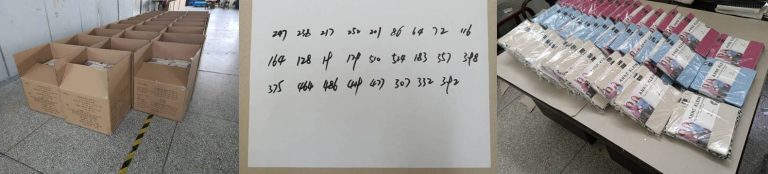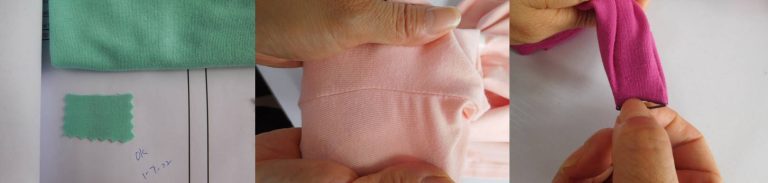
Apparel material inspection is an important part of quality control because the quality of the finished garment depends heavily on the materials used in production. Fabric, lining, zippers, buttons, labels, elastic, lace, and other accessories should match the approved specifications and reference samples.
A material problem may not always be obvious after the garment is completed. Differences in fabric weight, color, composition, texture, or accessory quality can affect appearance, fit, durability, and customer acceptance. Checking materials during a pre-shipment inspection gives buyers an opportunity to identify these issues before the goods are released for shipment.
What Is Apparel Material Inspection?
Apparel material inspection is the process of verifying whether the materials used in bulk garment production conform to the buyer’s approved specifications, samples, and quality requirements.
The inspection may cover:
- Main fabric and lining
- Buttons, snaps, and rivets
- Zippers and sliders
- Elastic bands and drawcords
- Lace, labels, patches, and decorative accessories
- Prints, embroidery materials, and other components
- Material-related test reports and compliance documents
The exact inspection scope should be based on the product specification, Bill of Materials (BOM), approved sample, purchase order, and any additional requirements provided by the buyer.
1. Review Material Specifications Before Inspection
The first step is to establish a clear reference standard. Inspectors should review the available material specifications and compare them with the actual bulk materials.
Important information may include fabric composition, color, weight, thickness, width, construction, finish, and required performance characteristics. For accessories, the requirements may cover material type, dimensions, color, finish, attachment method, and functionality.
An approved sample is particularly useful because it provides a practical reference for appearance, texture, color, and overall quality.
2. Check Fabric Appearance and Quality
Fabric is normally one of the most important material components in apparel production. Inspectors should visually examine randomly selected materials or finished garments for obvious differences and defects.
Typical checks include:
- Color and shade consistency
- Fabric texture and hand feel
- Surface appearance
- Stains, holes, tears, or contamination
- Printing or pattern defects
- Fabric construction and general uniformity
- Width, thickness, or weight where specified
Color consistency deserves particular attention. Fabric rolls or production lots may show shade variation even when the nominal color is correct. Where a color standard or approved sample is available, the bulk material should be compared against that reference.
For specific requirements, basic on-site measurements or additional laboratory testing may be arranged to verify properties such as fabric weight or other physical characteristics.
3. Verify Fabric Weight and Other Physical Properties
Material specifications sometimes include measurable requirements that cannot be confirmed reliably through visual inspection alone.
For example, fabric weight may be specified by GSM. If this requirement is important to the product, the inspector can perform an appropriate on-site measurement when the necessary equipment and method are available.
Other properties, such as fiber composition, colorfastness, shrinkage, tensile strength, or chemical compliance, may require laboratory testing rather than a visual inspection.
This distinction is important: a third-party inspection can verify the condition and conformity of materials within the agreed inspection scope, but laboratory testing should be used when a specific technical property requires an appropriate test method.
4. Inspect Buttons, Zippers, and Other Accessories
Accessories can create quality problems even when the main fabric is acceptable.
Inspectors should verify whether buttons, zippers, snaps, hooks, elastic, labels, and decorative components match the approved requirements in terms of type, color, dimensions, appearance, and functionality.
For functional accessories, practical checks should also be considered. For example:
- Zippers should operate smoothly without obvious sticking.
- Buttons and snaps should be properly attached.
- Elastic components should meet the specified construction and appearance requirements.
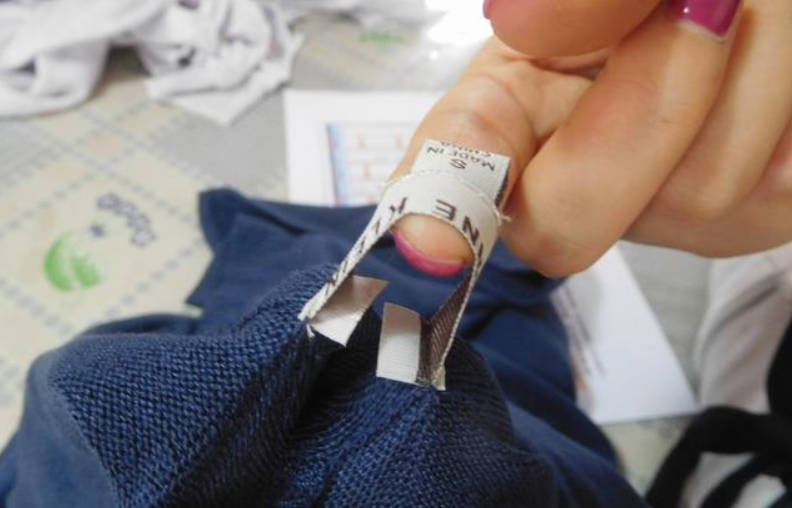
- Labels should match the approved artwork and required information.
- Decorative accessories should be securely attached and visually consistent.
The inspection should also consider whether the accessories are compatible with the garment design and construction.
5. Verify Material Test Reports and Compliance Documents
Some apparel products require material testing or compliance documentation depending on the product, destination market, and buyer’s requirements.
Inspectors may review available supplier or third-party test reports and compare the reported material information with the buyer’s specifications.
This can include documents relating to material composition, colorfastness, chemical restrictions, safety requirements, or other applicable standards.
Document review should not be treated as a substitute for physical inspection. A valid test report and an acceptable bulk material are two separate quality control considerations.
6. Connect Material Inspection With Pre-Shipment Inspection
Material verification is most useful when it is integrated into the overall apparel inspection process.
During a pre-shipment inspection, inspectors can check the finished garments against the approved sample and specifications while also reviewing material-related requirements. This allows buyers to identify whether the materials used in bulk production have resulted in visible differences in color, texture, construction, appearance, or functionality.
A comprehensive garment and apparel quality control program can therefore combine material checks with appearance, workmanship, measurements, labeling, packaging, and applicable functional tests.
7. Record Findings Clearly
All material-related non-conformities should be documented with clear descriptions and photographs where appropriate.
A useful inspection report should identify:
- The material or component concerned
- The requirement or reference standard
- The actual finding
- The quantity or scope affected, where applicable
- Photographic evidence
- Recommended corrective action when appropriate
Clear records make it easier for buyers and suppliers to determine whether rework, replacement, additional testing, or shipment hold is necessary.
Conclusion
Apparel material inspection helps buyers control quality before material problems become finished-product problems. By checking fabrics, accessories, physical requirements, and supporting documentation against approved specifications, buyers can reduce the risk of inconsistent garments, customer complaints, and costly corrective action after shipment.
When material verification is combined with a properly planned pre-shipment inspection, it provides a more complete assessment of whether finished apparel is ready for shipment and meets the agreed quality requirements.