Apparel quality problems often appear minor at the factory but become costly after shipment. Uneven stitching, incorrect measurements, color variation, damaged fabric, and labeling errors can lead to customer complaints, returns, rework, or rejected inventory.
Effective quality control identifies these problems before shipment and provides buyers with objective information for release decisions. An experienced third party inspection company checks finished garments against approved samples, specifications, size charts, artwork, and packaging requirements—not simply against the factory’s own production standard.
Fabric and Material Defects
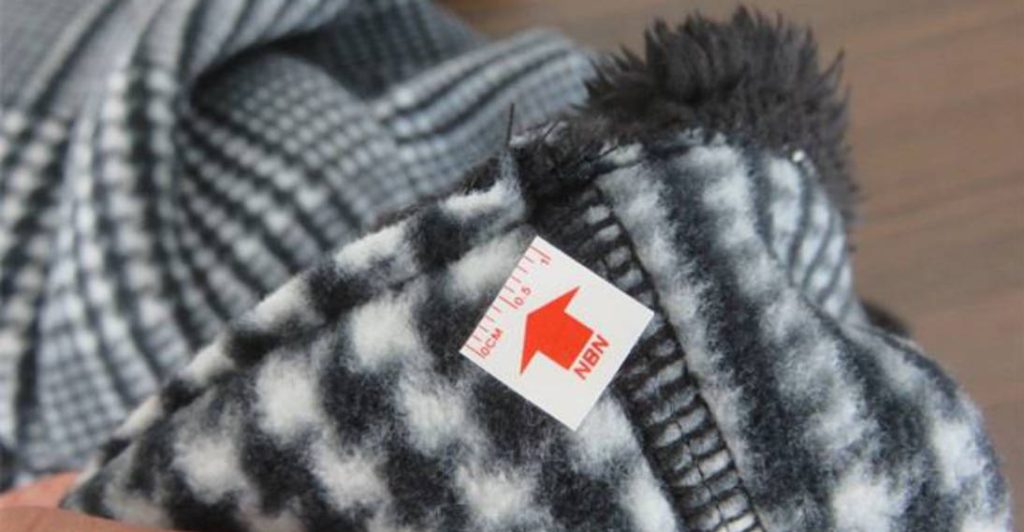
Fabric quality has a direct effect on a garment’s appearance, durability, and perceived value. Common defects include holes, stains, oil marks, slubs, broken yarns, uneven knitting, weaving faults, excessive pilling, and visible color shading.
Inspectors also compare the bulk fabric with the approved sample or material specification. Differences in texture, weight, thickness, stretch, hand feel, or composition may indicate that an incorrect or lower-grade material has been used. Linings, interlinings, elastic bands, padding, and other internal materials should also match the approved requirements.
Material verification during an apparel quality inspection is primarily visual and comparative unless laboratory testing is arranged. When fiber composition, colorfastness, chemical safety, or physical performance must be confirmed, buyers should provide valid test reports or request testing from an accredited laboratory.
Sewing and Workmanship Defects
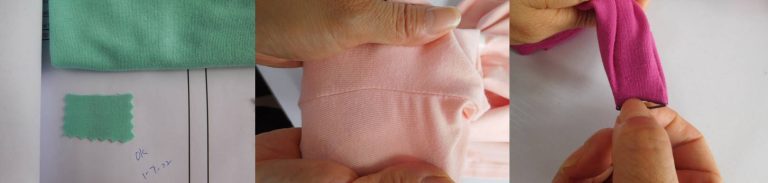
Sewing problems are among the most common defects found during apparel inspection. Typical examples include open seams, broken or skipped stitches, loose stitching, seam puckering, raw edges, incorrect seam allowance, untrimmed threads, and uneven stitch lines.
Inspectors also check whether the garment is symmetrical and properly assembled. Twisted side seams, uneven collars, mismatched sleeves, distorted waistbands, or incorrectly positioned pockets can make a garment unacceptable even when it remains functional.
There is no universal stitch density suitable for every garment. The appropriate stitches per inch depend on the fabric, seam type, product design, and buyer’s specification. Inspection should therefore compare workmanship with the approved sample and technical requirements rather than apply one fixed standard to every product.
Measurement and Fit Problems
Garments that look acceptable may still fail because their measurements fall outside the approved tolerance. Common problems include incorrect body length, chest or waist width, sleeve length, shoulder width, inseam, rise, and opening dimensions.
Inspectors measure selected samples according to the latest approved size chart and specified points of measurement. Results are recorded by size and compared with the permitted tolerances. A consistent deviation across multiple samples may indicate a pattern, cutting, shrinking, or sewing problem affecting the entire production batch.
Buyers should provide a clear size specification showing how each measurement is taken. Ambiguous measurement points or conflicting specification files can produce unreliable results and disputes with the supplier.
Color, Appearance, and Style Defects
Color differences can occur between production lots, garment panels, trims, or individual units. Inspectors check for visible shading under suitable lighting and compare bulk production with the approved color standard when one is available.
The inspection should also verify the garment’s overall style and construction. Fabric direction, panel shape, pocket position, collar structure, pleats, embroidery, printing, decorative elements, and trim colors must match the approved design.
Poor pressing, unwanted creases, shine marks, distortion, and careless folding can reduce presentation quality. Although these problems may be repairable, they should still be reported when they affect saleability or indicate inadequate finishing control.
Trims, Fasteners, and Functional Problems
Buttons, zippers, snaps, hooks, drawstrings, elastic bands, Velcro, buckles, and other accessories must be correct, securely attached, and functional. Frequent defects include missing components, loose buttons, jammed zippers, weak snap attachment, sharp edges, incorrect trim colors, and accessories that detach during normal use.
Relevant on-site checks may include zipper operation, snap or Velcro fatigue, seam strength, elastic stretch, button attachment, barcode scanning, color rubbing, and needle detection. Test methods, sample quantities, and acceptance criteria should be defined before inspection whenever the buyer has specific performance expectations.
Labeling, Artwork, and Packaging Errors
A well-made garment can still be unsuitable for shipment if its labels or packaging are incorrect. Inspectors verify care labels, composition labels, size labels, brand labels, hang tags, barcodes, warning labels, and country-of-origin markings against the approved files.
They also check assortment quantities, size and color ratios, polybags, retail boxes, carton markings, carton condition, packing methods, and shipping marks. Incorrect barcodes or mixed sizes can create serious receiving and inventory problems even when the garments themselves are acceptable.
Classifying Defects and Determining the Result
During a sampling inspection, defects are normally classified as critical, major, or minor. Critical defects create a safety risk or violate mandatory requirements. Major defects affect function, appearance, durability, or saleability. Minor defects are less serious but still represent a departure from the approved quality standard.
The classification of a defect depends on the product, market, buyer’s requirements, and intended use. The same issue may receive a different classification in children’s apparel, protective clothing, or high-value fashion products.
A pre-shipment inspection typically uses an agreed AQL standard to determine the sample size and acceptance limits. However, passing AQL does not mean that the shipment contains no defects. It means the defects found in the inspected sample remain within the agreed limits. Buyers should review the complete report, defect photos, measurements, test results, and packaging findings before approving shipment.
Preparing for an Effective Apparel Inspection
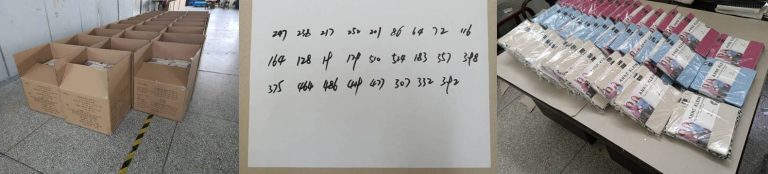
The quality of an inspection depends heavily on the information available to the inspector. Buyers should provide the purchase order, product specifications, approved samples, size charts, color references, artwork, labeling files, packaging requirements, defect classifications, and any special test instructions.
Clear requirements allow the third party inspection company to distinguish actual non-conformities from acceptable production variation. They also give the supplier a defined standard to follow before inspection. Independent inspection cannot replace effective factory production control, but it provides a valuable final checkpoint. By identifying recurring garment defects and documenting them clearly, buyers can prevent avoidable shipment risks, improve supplier performance, and maintain more consistent apparel quality.