Product inspection plays an important role in helping importers maintain consistent quality, reduce supply chain risks, and verify product compliance when sourcing from China. By checking products against approved specifications and purchase requirements, buyers can identify defects, confirm order details, and make informed shipping decisions before goods leave the factory.

Why Product Inspection in China Matters
Manufacturing products in China offers access to diverse suppliers, established production networks, and competitive manufacturing capabilities. However, differences in factory management, production processes, materials, and quality control can lead to inconsistent results between batches.
Common problems include incorrect dimensions, poor workmanship, material substitutions, missing components, inaccurate labeling, and inadequate packaging. These issues can result in customer complaints, costly returns, shipment delays, and damage to brand reputation.
Professional product quality inspection helps buyers identify these risks before products reach the market. Independent inspection also provides objective evidence of product condition and order conformity, allowing buyers to communicate specific findings to suppliers and request corrective action when necessary.
What Does Product Inspection Cover?
The inspection scope should reflect the product type, approved specifications, intended use, and buyer’s quality requirements. A comprehensive inspection may include the following areas.
1. Product Appearance and Workmanship
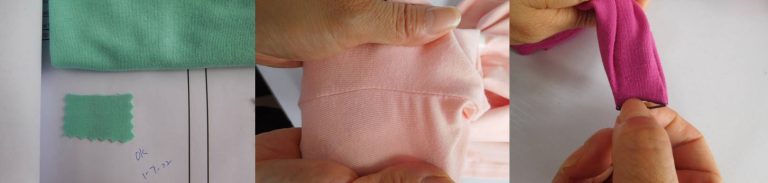
Inspectors examine products for visible defects such as scratches, stains, cracks, dents, loose threads, uneven stitching, poor finishing, and color inconsistencies. Acceptable workmanship should be defined through approved samples, reference images, specifications, or agreed defect criteria.
2. Dimensions, Materials, and Specifications
Measurements are compared with technical drawings, size charts, or product specifications. Depending on the product, checks may cover dimensions, weight, thickness, materials, components, and construction. Any deviations should be recorded against the agreed tolerances.
3. Functionality and On-Site Testing
Functional checks help determine whether products operate as intended. Examples include testing switches and basic functions on electrical products, checking closures on bags, or verifying mechanical movement on industrial components.
Additional tests should be selected according to product characteristics and inspection requirements. Laboratory testing or formal certification may be necessary when compliance cannot be established through visual inspection or routine on-site checks alone.
4. Labeling and Packaging
Inspectors verify product labels, barcodes, model numbers, warning information, shipping marks, carton quantities, and packaging methods against the buyer’s instructions. Correct packaging helps reduce handling damage and shipment errors while supporting accurate warehouse receiving.
Choosing the Right Inspection Stage
Effective quality control begins before the final shipment inspection. The appropriate inspection stage depends on production progress, product risk, order value, and the time available for corrective action.
- Initial Production Check (IPC): Conducted at the beginning of production to identify material, component, setup, and early workmanship issues.
- During Production Inspection (DPI): Generally arranged when approximately 20%–80% of the order has been produced, allowing buyers to address recurring defects before production is completed.
- Pre-Shipment Inspection (PSI): Usually conducted when at least 80% of the order is completed, with finished goods available for inspection before shipment.
- Full Inspection (FI): Examines 100% of the specified units when sampling is insufficient or the order requires more extensive defect identification and sorting.
- Container Loading Supervision (CLS): Verifies product identity, carton quantities, loading procedures, and container condition during loading.
Factory audits provide a complementary form of supplier assessment by examining production capabilities, quality management, and relevant operational practices. They do not replace product inspections of a specific order.
How AQL Sampling Supports Consistent Quality
For many orders, checking every unit is unnecessary or impractical. Acceptance Quality Limit (AQL) sampling provides a structured method for evaluating a production lot using a defined sample size and acceptance criteria.
Inspection plans may follow ISO 2859-1 or ANSI/ASQ Z1.4, depending on the agreed requirements. A commonly used plan is General Inspection Level II, with Critical 0, Major 2.5, and Minor 4.0 as typical default limits.
These values should be confirmed before inspection rather than assumed to apply to every order. AQL sampling does not guarantee that a lot contains no defects; it supports a consistent acceptance decision based on the selected sampling plan.
For high-risk products, repeated quality failures, or particularly strict buyer requirements, 100% inspection may be more appropriate. Even then, the effectiveness of inspection depends on clear criteria, suitable testing methods, and proper handling of rejected units.
How to Prepare for a Successful Inspection
Buyers can improve inspection accuracy by providing complete and consistent instructions before the inspector visits the factory.
Prepare the purchase order, product specifications, approved samples or reference photographs, packing requirements, labeling artwork, and any inspection checklist. Clearly identify critical dimensions, functional requirements, applicable standards, and special tests.
It is also important to confirm production completion and packing status with the supplier. If too few finished products are available, the inspection may need to be postponed or its scope adjusted.
After inspection, review the report, defect photographs, measurements, and acceptance results. If problems are found, agree on corrective actions with the supplier and arrange a re-inspection when necessary. Shipment decisions should consider the inspection findings alongside contractual requirements and any applicable compliance obligations.
Work with an Independent Inspection Partner
Reliable third-party quality control helps importers obtain an independent view of product quality without maintaining their own inspection team in every manufacturing location. Clear reporting and documented findings also improve communication between buyers and suppliers.
NBNQC provides product inspection and factory audit services across mainland China, covering apparel, footwear, electronics, furniture, household products, toys, and industrial components. Services can be tailored to the order quantity, product characteristics, production stage, and buyer’s requirements.
With effective supply chain quality assurance, buyers can identify problems earlier, reduce avoidable quality risks, and make better-informed decisions before shipment.
Contact NBNQC to discuss your inspection requirements and arrange a suitable quality control plan for your next order.